
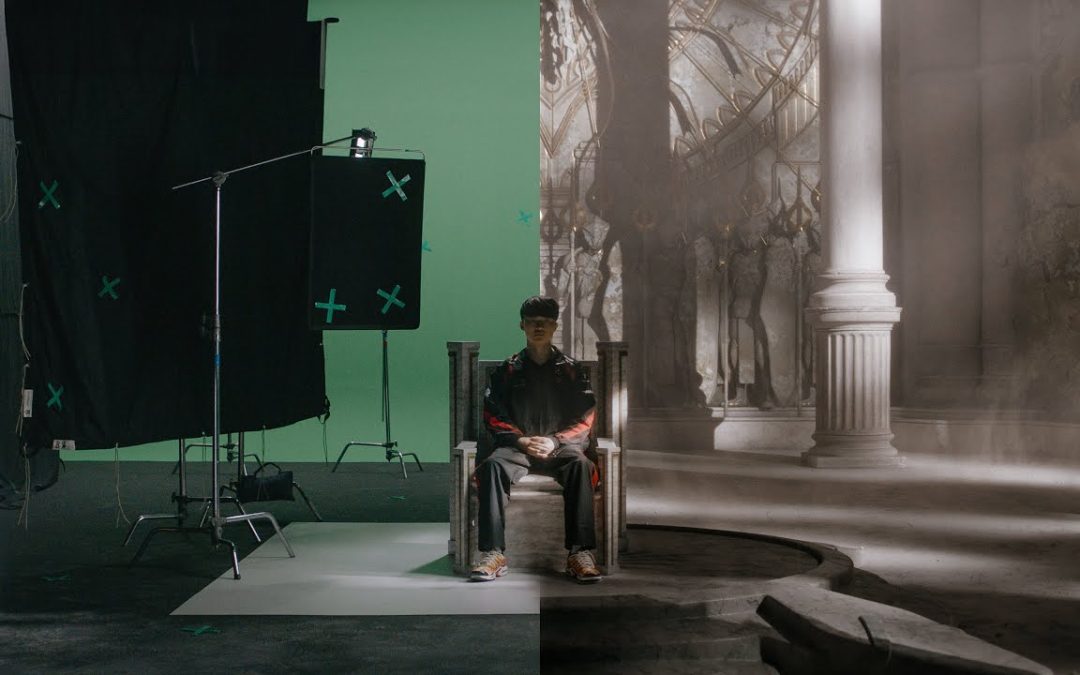
In the ever-evolving world of visual effects, creating realistic CGI has become both an art and a science. As filmmakers and game developers push the boundaries of imagination, understanding the intricacies of CGI is essential for achieving lifelike results. This article delves into the key techniques and technologies that bring digital creations to life, exploring the meticulous processes behind rendering, lighting, and animation. Join us as we break down the essentials of creating realistic CGI, revealing the magic that transforms pixels into captivating experiences.
How can artists achieve realistic CGI effects?
Artists achieve realistic CGI effects by studying real-world references, mastering lighting and textures, using advanced software, and employing techniques like motion capture and physics simulations.
What are the essential steps involved in breaking down the process of creating realistic CGI?
Creating realistic CGI involves a systematic approach that begins with conceptualization. This initial step requires artists and designers to develop a clear vision, often through sketches or storyboards, which serve as a blueprint for the project. Understanding the narrative and emotional tone is primordial, as it influences decisions on style, color palette, and lighting. This foundational phase sets the stage for a cohesive final product.
Once the concept is established, the next step is modeling, where 3D objects are created using specialized software. This involves sculpting characters, environments, and props with attention to detail, ensuring that textures and forms reflect reality. Texturing follows, where artists apply surfaces and materials to give depth and realism to the models. Proper UV mapping is essential in this phase to ensure that textures fit the geometry accurately and convincingly.
Finally, the process culminates in rendering and compositing. Rendering transforms the 3D models into 2D images or animations, utilizing advanced techniques such as ray tracing to achieve realistic lighting and shadow effects. After rendering, compositing involves blending various elements, including background, effects, and live-action footage if applicable, to create a seamless final piece. This meticulous attention to each step ensures that the CGI not only looks realistic but also serves the story effectively.
What software and tools are commonly used for creating high-quality CGI in film and video games?
Creating high-quality CGI in film and video games relies on a suite of powerful software and tools that help artists bring their visions to life. Industry standards like Autodesk Maya and Blender provide robust modeling and animation capabilities, while Adobe After Effects and Nuke excel in compositing and visual effects. For texture and material creation, tools such as Substance Painter and ZBrush are invaluable, allowing for intricate detailing and realism. Additionally, game engines like Unreal Engine and Unity facilitate real-time rendering and interactive experiences, making them essential for game development. By leveraging these tools, creators can produce stunning visual narratives that captivate audiences across various media.
Unlock Your Creativity with Cutting-Edge Techniques
In today’s fast-paced world, tapping into your creative potential is more vital than ever. Embracing cutting-edge techniques can help you break free from conventional thinking and explore new avenues of expression. Whether you’re an artist, writer, or entrepreneur, these innovative methods can inspire fresh ideas and invigorate your creative process, allowing you to unlock a deeper level of imagination.
One powerful approach to enhancing creativity is the use of digital tools that facilitate brainstorming and collaboration. Platforms that incorporate artificial intelligence can generate prompts and suggestions tailored to your unique style, pushing you to think outside the box. Additionally, virtual reality experiences can immerse you in environments that stimulate your senses, sparking inspiration you may not have encountered otherwise. By integrating technology into your creative routine, you can cultivate a more dynamic and engaging practice.
Moreover, incorporating mindfulness and play into your creative endeavors can yield remarkable results. Techniques such as meditation and freewriting encourage a flow state that nurtures original thought, while playful experimentation allows you to take risks without the fear of failure. By fostering an environment where exploration is celebrated, you can turn your creative aspirations into tangible outcomes. Embrace these cutting-edge techniques to not only unlock your creativity but also to transform your ideas into reality.
From Concept to Screen: Bringing Imagination to Life
In the dynamic world of storytelling, the journey from concept to screen is a thrilling adventure that transforms imaginative ideas into visual masterpieces. Every great film or series begins with a spark of creativity, often originating from a simple concept or narrative. This initial idea undergoes a meticulous process of development, where writers, directors, and producers collaborate to flesh out characters, plots, and themes. The goal is to craft a compelling story that resonates with audiences, drawing them into the unique world being created.
Once the foundation is laid, the production phase ignites the imagination even further. Filmmakers and artists work hand-in-hand, using innovative techniques and cutting-edge technology to bring the story to life. From casting talented actors to designing stunning visuals, every detail is meticulously considered. The blend of art and technology culminates in a captivating final product that not only entertains but also evokes emotion, making the journey from concept to screen a remarkable testament to human creativity and storytelling prowess.
Elevate Your Skills: The Art of Photorealistic Rendering
In the realm of digital artistry, mastering photorealistic rendering is akin to unlocking a new dimension of creativity. This intricate skill combines a deep understanding of light, texture, and perspective, allowing artists to create stunningly lifelike images that captivate viewers. By honing your techniques in modeling, shading, and lighting, you can elevate your work from mere representation to an immersive experience that blurs the line between reality and imagination. As you embark on this journey, remember that practice and exploration are your greatest allies, enabling you to refine your style and push the boundaries of your artistic vision.
Mastering the art of creating realistic CGI involves a blend of technical skill, artistic vision, and an understanding of the natural world. By dissecting the elements that contribute to lifelike visuals—such as lighting, texture, and motion—artists can elevate their work to new heights. Embracing this meticulous approach not only enhances the viewer’s experience but also pushes the boundaries of what is possible in digital storytelling. As technology continues to evolve, the potential for breathtaking CGI is limited only by the imagination of its creators.
