
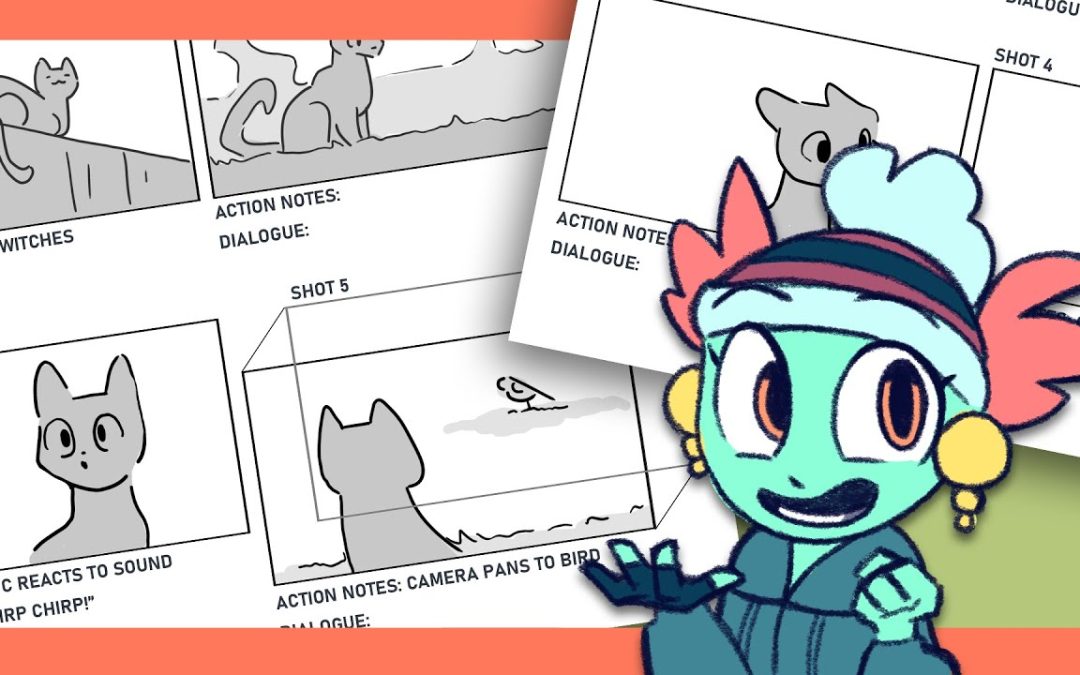
Storyboarding is an essential tool for visual storytelling, whether in film, animation, or game design. Breaking Down Storyboarding Like a Pro unveils the secrets behind this powerful technique, guiding creators through the process of transforming ideas into compelling visuals. By mastering the art of storyboarding, you can enhance your narrative clarity, streamline production, and ultimately elevate your storytelling to new heights. Join us as we explore the key elements that make storyboarding an indispensable skill for aspiring and seasoned creators alike.
What are the key elements of effective storyboarding?
Key elements of effective storyboarding include clear visuals, concise descriptions, character actions, scene transitions, and a coherent narrative flow.
What are the key elements to include when breaking down a storyboard?
When breaking down a storyboard, one of the key elements to include is a clear description of each shot. This should detail the scene’s action, characters involved, and any significant props or background elements. A concise narrative helps to visualize the story’s flow and ensures that everyone involved understands the intended direction and tone of each moment.
Another important element is the inclusion of visual cues, such as camera angles and transitions. Indicating whether a shot is a close-up, wide shot, or over-the-shoulder view can greatly influence the audience’s emotional response. Additionally, specifying transitions like cuts, fades, or dissolves aids in establishing pacing and rhythm throughout the story, making it easier for the entire team to align their creative visions.
Finally, incorporating notes on sound and dialogue can elevate the storyboard’s effectiveness. Highlighting key audio elements, such as background music, sound effects, or character lines, adds depth to the visual narrative. This comprehensive approach ensures that all aspects of the story are considered, enabling a seamless production process and a more engaging final product.
How can I effectively communicate my vision through storyboarding?
To effectively communicate your vision through storyboarding, start by defining the core message you want to convey. Break down the narrative into key scenes that highlight the progression of your idea, ensuring each frame captures essential elements like character, emotion, and action. Use clear visuals and concise annotations to guide viewers through the storyline, maintaining a consistent style that reflects your vision. Engage your audience by incorporating dynamic elements like pacing and transitions, allowing them to visualize the flow of your concept. Finally, seek feedback to refine your storyboard, ensuring it resonates with your intended audience and enhances the clarity of your vision.
What software or tools are recommended for creating professional storyboards?
For creating professional storyboards, several software tools stand out for their user-friendly interfaces and robust features. Storyboard Pro offers a comprehensive platform that integrates drawing, animation, and timeline management, making it ideal for both beginners and seasoned professionals. Celtx is another excellent choice, providing cloud-based collaboration tools alongside its storyboard capabilities, perfect for team projects. For those looking for a more simplistic approach, Canva offers customizable storyboard templates that cater to various styles and needs, allowing for quick and visually appealing results. Additionally, Adobe Photoshop and Illustrator are versatile options for artists who prefer a more hands-on approach to design. Each of these tools can elevate your storytelling process, ensuring your visions come to life with clarity and professionalism.
Visualize Your Narrative: Techniques for Effective Storyboarding
Storyboarding is a powerful technique that transforms ideas into visual narratives, enabling creators to map out scenes and sequences with clarity. By breaking down a story into individual frames, you can visualize the flow of action and dialogue, ensuring that each element contributes to the overall plot. This method not only enhances creativity but also provides a structured approach to storytelling, allowing for adjustments and refinements before the production process begins.
To maximize the effectiveness of your storyboard, consider incorporating various visual elements such as character expressions, camera angles, and color schemes. These details help convey emotions and set the tone, making your narrative more engaging. Additionally, collaborating with team members during the storyboard phase fosters a shared vision, encouraging diverse ideas and perspectives that can elevate the final product. Embrace the art of storyboarding, and watch your narrative come to life on the page.
From Concept to Creation: Elevate Your Storytelling Skills
Transforming your ideas into captivating narratives requires a blend of imagination and technique. By honing your storytelling skills, you can effectively engage your audience, drawing them into a world crafted from your unique vision. Whether you’re working on a novel, a screenplay, or a personal essay, understanding the core elements of storytelling—character development, plot structure, and emotional resonance—will elevate your writing to new heights.
As you navigate the journey from concept to creation, practice becomes your most valuable ally. Experiment with different styles, seek feedback, and embrace revisions as opportunities for growth. With each iteration, you’ll sharpen your voice and enhance your ability to connect with readers. Remember, the heart of great storytelling lies not just in the tale itself, but in the passion and authenticity you bring to every word. Let your creativity flow and watch your stories come to life.
Unlock Your Creativity: Essential Tips for Every Storyboard Artist
Every storyboard artist knows that creativity is the lifeblood of storytelling. To unlock your full potential, start by immersing yourself in diverse sources of inspiration. Explore various art styles, films, and even everyday life to spark fresh ideas. Keeping a sketchbook handy encourages spontaneous creativity; jot down thoughts, doodle scenes, or experiment with character designs. Embrace the process of iteration—creating multiple drafts allows you to refine your vision and experiment with narrative flow, ensuring that your story resonates powerfully with its audience.
Collaboration is another vital element for any storyboard artist. Engaging with fellow creatives can provide new perspectives and ignite innovative ideas that may have eluded you. Participate in workshops or online forums where you can share feedback and learn from peers. Additionally, don’t shy away from constructive criticism; it’s an invaluable tool for growth. By cultivating an open mindset and a supportive network, you’ll not only enhance your storytelling skills but also enrich your artistic journey, unlocking a world of possibilities in every frame you create.
Mastering the art of storyboarding transforms your creative vision into a structured blueprint, ensuring every detail resonates with your audience. By breaking down the process into manageable steps and embracing the tools available, you can enhance your storytelling prowess and bring compelling narratives to life. Whether you’re a seasoned professional or just starting out, adopting these techniques will elevate your projects and set you on the path to success in any creative endeavor.
