
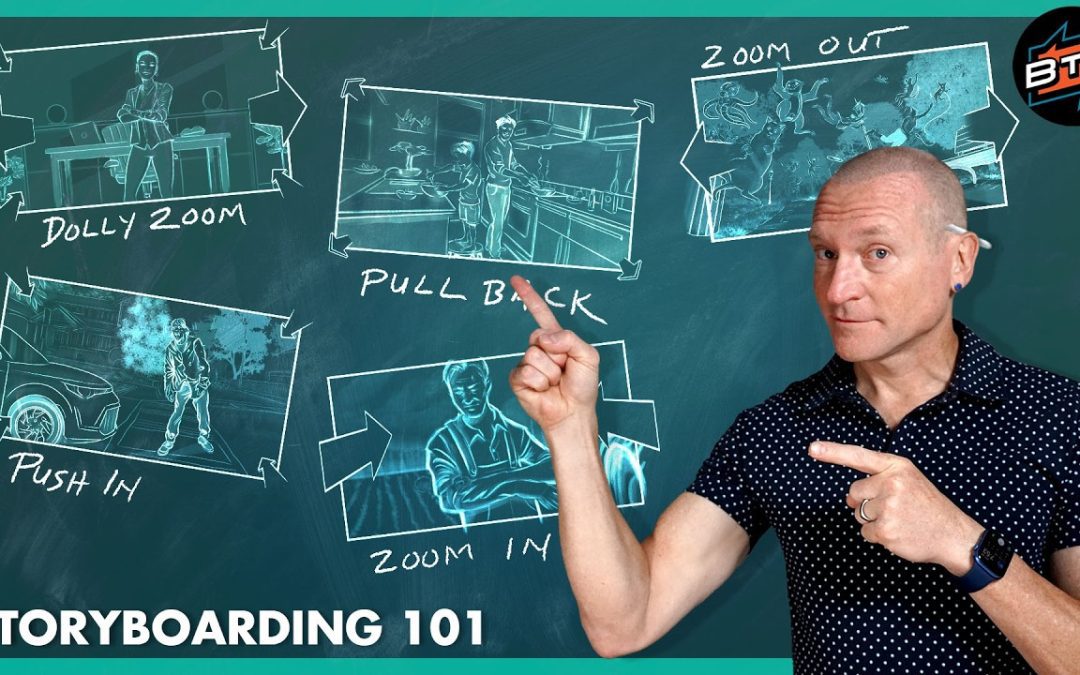
Storyboarding is an essential tool for visual storytelling, whether in film, animation, or marketing. Breaking Down Storyboarding Like a Pro reveals the strategies and techniques that industry experts use to transform ideas into captivating visuals. This guide will take you through the fundamentals of storyboarding, helping you to streamline your creative process and effectively communicate your narrative. Unlock the secrets of professional storyboarding and elevate your projects to new heights.
What are the key elements of effective storyboarding?
Key elements of effective storyboarding include clear visuals, concise descriptions, logical flow, character development, and scene transitions to convey the narrative effectively.
What are the essential components of effective storyboarding in film and animation?
Effective storyboarding in film and animation hinges on several essential components that enhance visual storytelling. First, clarity is paramount; each frame must clearly convey the action, emotion, and intent, allowing the viewer to grasp the narrative flow easily. This involves using a combination of sketches, annotations, and visual cues that highlight key moments, transitions, and character interactions. Additionally, maintaining a logical sequence is primordial, ensuring that the storyboard progresses in a way that mirrors the intended pacing and rhythm of the final piece.
Furthermore, incorporating elements such as camera angles, shot composition, and timing can elevate the storyboard from a mere outline to a dynamic blueprint for production. By specifying these details, filmmakers and animators can effectively communicate their vision to the entire team, fostering collaboration and reducing ambiguity. Ultimately, a well-crafted storyboard serves not only as a roadmap for the project but also as a vital tool for creative exploration and refinement, enabling the realization of a compelling narrative.
How can I improve my storyboarding skills and techniques?
To enhance your storyboarding skills, start by studying the fundamentals of visual storytelling. Familiarize yourself with key concepts such as composition, pacing, and shot types. Analyze storyboards from your favorite films or animations to understand how professionals convey narrative through visuals. Pay attention to how they transition between scenes and emphasize emotional beats, as this will help you grasp the flow and rhythm necessary for effective storyboarding.
Practice is essential for improvement. Dedicate time to create your own storyboards based on original ideas or existing scripts. Begin with simple scenes and gradually increase complexity as you gain confidence. Experiment with different styles and techniques, such as using thumbnails for quick ideation or incorporating color to convey mood. Regular feedback from peers or online communities can provide valuable insights and help refine your work.
Lastly, stay inspired by exploring diverse mediums and storytelling forms. Attend workshops, watch behind-the-scenes content, or read books on visual narrative. Engaging with various art forms can spark creativity and introduce new perspectives to your storyboarding approach. By combining a solid understanding of the basics, consistent practice, and a commitment to learning from others, you’ll steadily elevate your storyboarding skills.
What software tools are recommended for creating professional storyboards?
Creating professional storyboards requires tools that streamline the visualization process and enhance creativity. Popular software options such as Storyboard Pro, Toon Boom, and Adobe Photoshop offer a range of features tailored for artists and filmmakers. These programs provide a user-friendly interface, allowing users to sketch, edit, and organize scenes efficiently. Additionally, they often include templates and customizable layouts, which help in maintaining a coherent flow throughout the storyboard.
For those seeking a more collaborative approach, platforms like Celtx and StudioBinder facilitate teamwork by enabling multiple users to contribute in real-time. These tools not only support drawing and layout but also integrate scriptwriting and project management functionalities. By choosing the right software, creators can effectively convey their vision, ensuring that every shot is thoughtfully planned and visually compelling.
How does storyboarding enhance the overall storytelling process in visual media?
Storyboarding serves as a vital blueprint in the storytelling process for visual media, allowing creators to visualize the narrative flow before actual production begins. By breaking down scenes into individual frames, filmmakers and animators can explore pacing, composition, and transitions, ensuring that each moment contributes effectively to the overarching story. This pre-visualization technique not only aids in identifying potential issues early on but also fosters collaboration among team members, as everyone can reference a shared visual guide.
Furthermore, storyboarding enhances audience engagement by clarifying the emotional trajectory of the narrative. Through careful planning of visuals and dialogues, creators can establish a rhythm that resonates with viewers, drawing them deeper into the story. By aligning visual elements with character development and thematic arcs, storyboarding ensures that the final product is both cohesive and compelling, ultimately elevating the impact of the storytelling in visual media.
Unleash Your Visual Imagination
Unlock the full potential of your creativity by embracing the art of visual storytelling. With a vibrant palette of colors and dynamic compositions, you can transform simple ideas into captivating narratives that resonate with your audience. Let your imagination soar as you explore innovative techniques and tools that bring your visions to life, whether through photography, digital design, or traditional art forms. By harnessing your unique perspective, you can craft striking visuals that not only communicate your message but also inspire and engage others in profound ways.
Crafting Compelling Narratives Frame by Frame
In the realm of storytelling, visuals have the power to elevate narratives from mundane to mesmerizing. Each frame serves as a canvas, meticulously painted with emotion, color, and movement, inviting audiences to immerse themselves in a world where every detail matters. By carefully selecting scenes and angles, creators can evoke empathy and provoke thought, transforming simple stories into profound experiences that resonate long after the credits roll.
As each frame unfolds, the rhythm and pacing of the narrative play a pivotal role in maintaining engagement. The interplay between visuals and sound enhances the emotional depth, guiding viewers through a journey that feels both personal and universal. By mastering the art of composition and timing, storytellers can craft compelling narratives that not only entertain but also inspire, leaving an indelible mark on the hearts and minds of their audience.
Elevate Your Creative Projects with Storyboarding Skills
Storyboarding is an essential tool for anyone looking to enhance their creative projects, whether in film, animation, or marketing. By visually mapping out scenes and sequences, storyboards provide a clear blueprint that guides the entire production process. This technique not only helps in organizing ideas but also allows creators to foresee potential challenges, ensuring a smoother workflow and more cohesive storytelling.
Harnessing the power of storyboarding can significantly elevate the quality of your projects. It enables you to experiment with different angles, pacing, and transitions before committing to the final product. This visual representation fosters collaboration among team members, making it easier to communicate your vision and gather feedback. As a result, your project becomes a more refined and polished piece, capturing the audience’s attention effectively.
Investing time in developing your storyboarding skills pays off by enhancing your creativity and boosting your confidence. With a solid storyboard, you can approach your projects with clarity and purpose, transforming abstract ideas into tangible narratives. Ultimately, mastering this technique empowers you to elevate your creative endeavors, making them not only more engaging but also more impactful.
Mastering the art of storyboarding opens up a world of creative possibilities, allowing you to visualize your narrative and streamline your production process. By breaking down storyboarding like a pro, you not only enhance your storytelling skills but also foster collaboration and clarity within your team. Embrace this powerful tool to elevate your projects, ensuring that your vision is clearly articulated and engaging for your audience. With the right approach, storyboarding can transform your ideas into compelling visuals that resonate and captivate.
