
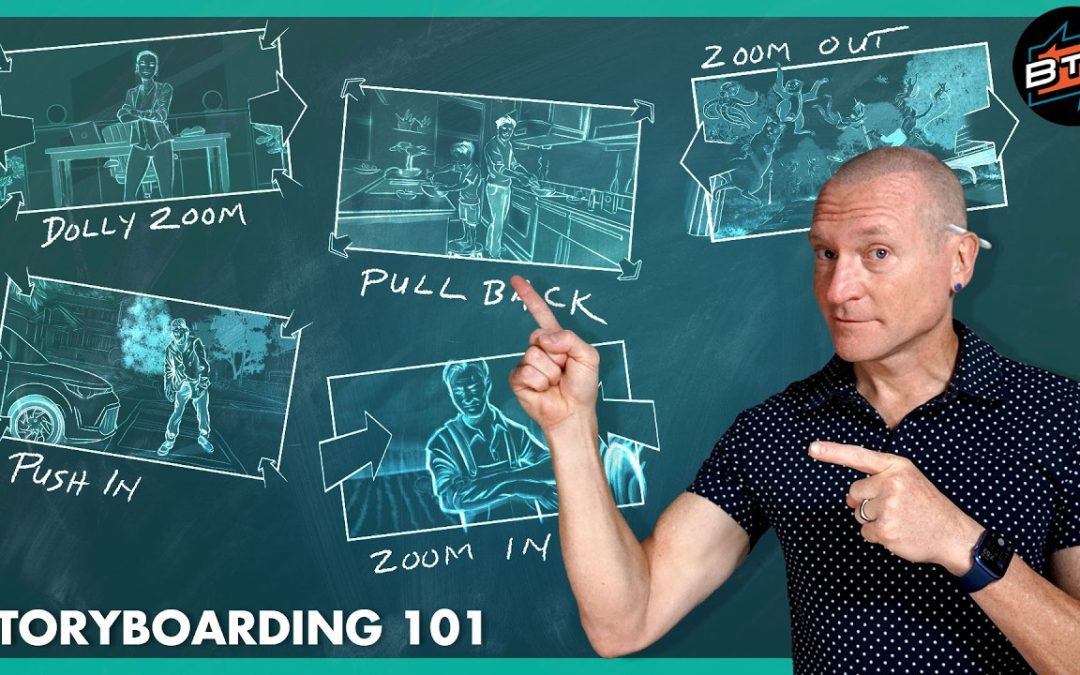
Storyboarding is an essential tool for creators across various fields, from filmmakers to marketers, enabling them to visualize their narratives before production begins. In Breaking Down Storyboarding Like a Pro, we delve into the intricacies of this powerful technique, exploring its principles, best practices, and innovative approaches. Whether you’re a seasoned professional or a budding storyteller, mastering storyboarding can elevate your projects, enhance collaboration, and streamline your creative process. Join us as we unpack the art and science behind this vital storytelling framework.
What are essential tips for effective storyboarding?
Start with a clear concept, sketch key scenes, focus on pacing, use simple visuals, and ensure a logical flow to enhance storytelling.
What is storyboarding, and why is it important in the creative process?
Storyboarding is a visual planning technique used primarily in film, animation, and advertising to outline a narrative or concept through a sequence of images. Each frame in a storyboard represents a key moment or scene, allowing creators to visualize the progression of their story before production begins. This method serves as a blueprint, illustrating how scenes will flow together and helping to clarify the intended message or emotion behind each segment.
The importance of storyboarding in the creative process cannot be overstated. It facilitates communication among team members, ensuring that everyone shares a unified vision and understands the project’s direction. By mapping out scenes, creators can identify potential challenges, experiment with pacing, and explore different angles or compositions, ultimately saving time and resources during production. This collaborative tool fosters creativity, allowing for adjustments and refinements that enhance the final outcome.
Moreover, storyboarding enhances storytelling by encouraging a deeper analysis of the narrative structure. It helps creators consider character development, transitions, and visual storytelling techniques, ensuring that each element contributes to a cohesive whole. By visualizing the story in advance, artists and directors can craft more engaging, impactful experiences that resonate with audiences. In essence, storyboarding is an invaluable step in the creative process that bridges the gap between vision and execution.
How do I start creating a storyboard for my project?
Creating a storyboard for your project begins with a clear understanding of your narrative or concept. Start by outlining the key scenes or moments that you want to convey. This can be done through a simple list or a mind map, ensuring you capture the essential elements of your story. Consider the emotional arc and the visual style you aim to achieve, as these will guide the overall direction of your storyboard.
Once you have your outline, it’s time to visualize each scene. Use simple sketches or images to represent the key actions, settings, and characters involved. Don’t worry about artistic perfection; the goal is to communicate your ideas effectively. Label each frame with notes about dialogue, sound effects, or camera angles to provide context and enhance clarity. This step is clave for translating your vision into a structured format.
Finally, review and refine your storyboard to ensure it flows seamlessly from one scene to the next. Seek feedback from peers or collaborators to gain fresh perspectives, which can help identify any gaps or opportunities for improvement. By iterating on your storyboard, you’ll create a powerful tool that not only guides your production process but also serves as a compelling vision for your audience.
What tools or software are recommended for breaking down storyboarding effectively?
Effective storyboarding can be greatly enhanced with the right tools and software. Programs like Storyboard That and Canva provide user-friendly interfaces that allow creators to easily visualize their narratives with customizable templates and drag-and-drop features. For those seeking more advanced capabilities, Adobe Creative Cloud offers powerful options such as Photoshop and After Effects, which facilitate detailed graphics and animations. Additionally, online platforms like Celtx and StudioBinder integrate scriptwriting with storyboard functions, streamlining the entire production process. By leveraging these tools, storytellers can transform their ideas into compelling visual narratives with clarity and efficiency.
What are some common mistakes to avoid when storyboarding?
When embarking on the storyboarding process, one of the most common mistakes is neglecting to establish a clear narrative structure. A storyboard serves as a visual blueprint, and without a well-defined beginning, middle, and end, the story can become disjointed or confusing. It’s essential to outline key plot points and character arcs before diving into the visuals. This foundational step helps ensure that each scene flows logically and contributes meaningfully to the overarching narrative.
Another frequent pitfall is overloading the storyboard with excessive detail. While it’s important to convey clave elements, such as character emotions and key actions, overcrowding each frame can diminish clarity. Storyboards are meant to be a simplified representation of the story, allowing for quick comprehension by the team. Striking the right balance between detail and simplicity not only aids in clear communication but also leaves room for creative exploration during the production phase.
Lastly, failing to consider the audience can lead to misaligned storytelling. Storyboards should be crafted with the intended viewers in mind, taking into account their preferences and expectations. Understanding the target demographic can inform choices regarding pacing, tone, and visual style, ensuring the story resonates effectively. By keeping the audience at the forefront of the storyboard process, creators can avoid unnecessary revisions and create a more impactful final product.
Transform Your Ideas into Visual Narratives
Every great idea deserves to be expressed visually, allowing it to resonate and connect with an audience. By transforming concepts into compelling visual narratives, you can effectively communicate your message, evoke emotions, and inspire action. Whether through captivating illustrations, dynamic infographics, or engaging videos, the power of visual storytelling lies in its ability to simplify complex ideas and make them accessible.
Harnessing this potential can elevate your brand and enhance your personal projects. By employing thoughtful design principles and creative techniques, you can craft narratives that not only capture attention but also leave a lasting impression. Embrace the art of visual storytelling to turn your innovative ideas into striking visuals that speak volumes and ignite curiosity.
Essential Techniques for Effective Storyboarding
Storyboarding is a powerful tool that transforms ideas into visual narratives, enabling creators to map out their stories systematically. By breaking down a script into individual scenes, storyboarding allows for a clearer understanding of pacing, character arcs, and visual flow. Utilizing techniques like thumbnail sketches and dialogue notes helps streamline the creative process, ensuring that each frame contributes to the overall narrative. This preliminary visual representation not only aids in identifying potential issues early on but also serves as a collaborative reference for teams involved in production.
Incorporating elements such as camera angles, shot compositions, and transitions during the storyboarding phase enhances the storytelling experience. Consideration of these aspects helps in visualizing how each scene connects, creating a seamless journey for the audience. Additionally, experimenting with different layouts and styles can inspire innovative ideas, making the storyboard a dynamic blueprint rather than a static document. By mastering these essential techniques, storytellers can elevate their projects, ensuring that every visual choice serves a purpose and captivates their audience.
Unlocking the Secrets of Compelling Visual Stories
Visual storytelling is an art that captivates and engages audiences by weaving together images, colors, and narratives that resonate on a deeper level. By harnessing the power of composition, lighting, and emotion, creators can unlock the secrets behind compelling visuals that not only capture attention but also evoke powerful responses. Every element, from the choice of subject to the arrangement of scenes, plays a clave role in guiding viewers through a journey, making them feel connected to the story being told. Embracing these techniques allows storytellers to transform ordinary moments into extraordinary experiences, leaving a lasting impression that lingers long after the visual fades.
From Concept to Creation: Your Path to Storyboarding Success
Transforming an idea into a captivating visual narrative begins with the art of storyboarding. This essential step allows creators to map out their vision, ensuring that each scene flows seamlessly into the next. By breaking down the story into manageable frames, you can visualize the pacing, character interactions, and emotional beats, creating a clear blueprint for your project. Whether you’re working on a film, animation, or a marketing campaign, a well-structured storyboard serves as a powerful communication tool that aligns your team and sets the foundation for successful execution.
As you embark on your storyboarding journey, embrace the creative process and let your imagination guide you. Start with rough sketches to capture the essence of each scene, focusing on key moments that drive the narrative forward. Don’t shy away from experimenting with different angles and compositions; this is where the magic happens. With each iteration, refine your ideas and incorporate feedback from collaborators, transforming your initial concepts into a polished visual story. By following this path, you’ll not only enhance your storytelling skills but also pave the way for a compelling final product that resonates with your audience.
Mastering the art of storyboarding is essential for anyone looking to elevate their storytelling skills, whether in film, animation, or graphic novels. By breaking down the process into manageable steps, you can visualize your narrative, enhance your creative flow, and ultimately produce a compelling story that resonates with your audience. With practice and a keen eye for detail, you’ll find that storyboarding not only simplifies complex ideas but also serves as a powerful tool for bringing your vision to life. Embrace this skill, and watch your projects transform into captivating visual journeys.
