
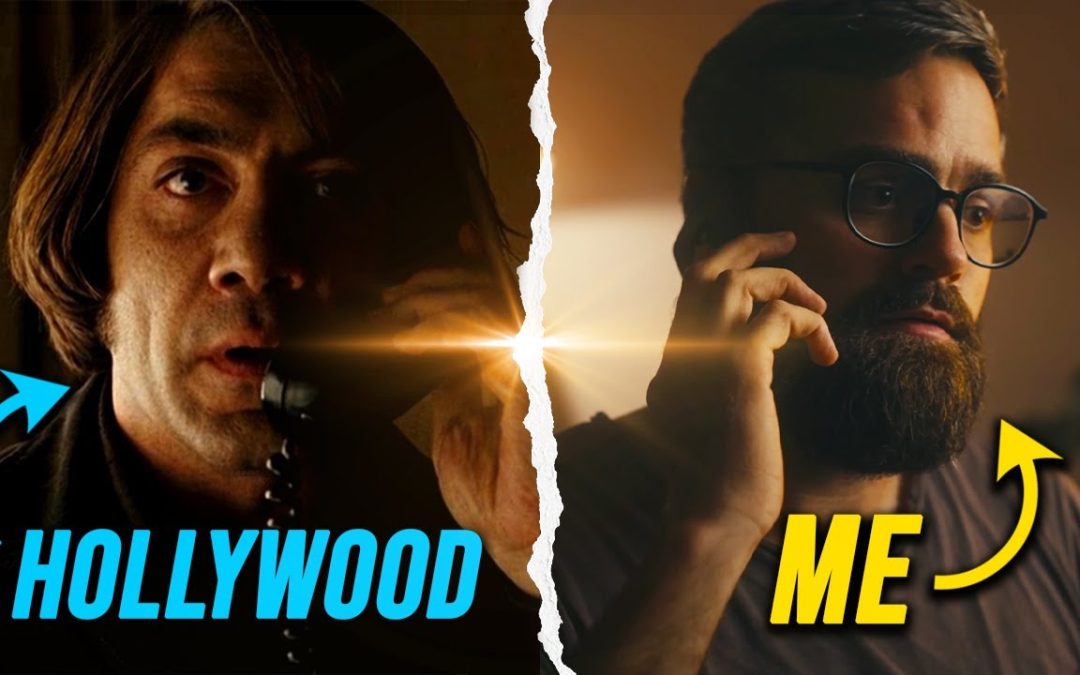
In the world of filmmaking, lighting serves as a powerful storytelling tool that shapes mood, highlights emotions, and guides audience perception. Exploring Cinematic Lighting Techniques delves into the artistry behind effective lighting strategies, unveiling how renowned directors and cinematographers harness light to enhance narrative depth. From the stark contrasts of chiaroscuro to the ethereal glow of backlighting, this exploration reveals the intricate dance between light and shadow, inviting readers to appreciate the profound impact of lighting on the cinematic experience.
What are key cinematic lighting techniques to master?
Key cinematic lighting techniques to master include three-point lighting, natural lighting, backlighting, high and low key lighting, and using practicals for depth and mood.
- Understanding the emotional impact of lighting: Different lighting techniques can evoke specific moods and feelings, influencing how audiences perceive a scene and connect with characters.
- Mastering practical lighting setups: Familiarity with various lighting setups, such as three-point lighting, natural light, and colored gels, is essential for creating visually compelling scenes in film production.
What are the fundamental principles of cinematic lighting techniques?
Cinematic lighting techniques are grounded in several fundamental principles that enhance storytelling and evoke emotions. First, the use of three-point lighting—key, fill, and back light—creates depth and dimension, ensuring subjects stand out against their backgrounds. Additionally, understanding the temperature of light is clave; warm tones can evoke comfort while cooler tones often convey tension or unease. The direction and quality of light play significant roles as well; soft, diffused light can create a sense of intimacy, while harsh light can introduce drama or conflict. Lastly, the strategic use of shadows adds visual interest and can symbolize themes or character dualities, making lighting an essential tool in the filmmaker’s arsenal for shaping narrative and mood.
How do different lighting setups affect the mood and tone of a scene?
Lighting plays a clave role in shaping the mood and tone of a scene, acting as a powerful storytelling tool. Soft, diffused lighting often creates an inviting and serene atmosphere, making it ideal for romantic or intimate moments. In contrast, harsh, direct lighting can evoke tension and urgency, effectively amplifying feelings of conflict or distress. By manipulating the quality of light, filmmakers and photographers can guide the audience’s emotional response and enhance the narrative.
Color temperature is another vital aspect of lighting that significantly influences the scene’s emotional undertones. Warmer tones, such as yellows and oranges, can impart feelings of comfort and nostalgia, while cooler hues, like blues and greens, may evoke sadness, isolation, or mystery. This strategic use of color not only sets the emotional landscape but also helps to establish the time of day or the overall atmosphere of the environment, enriching the viewer’s experience.
Finally, the direction of light can add depth and dimension, further affecting how a scene is perceived. Side lighting can create dramatic shadows, emphasizing the characters’ emotions or the stakes of the moment, while backlighting can produce a sense of separation or ethereality. By thoughtfully combining these lighting techniques, creators can craft scenes that resonate deeply with their audience, leaving a lasting impression through the artful interplay of light and shadow.
What equipment is essential for mastering cinematic lighting?
Mastering cinematic lighting begins with understanding the fundamental equipment that shapes a scene’s mood and depth. A versatile set of lights, such as LED panels, softboxes, and key lights, serves as the backbone of any lighting setup. These tools allow filmmakers to control intensity and quality, ensuring that each shot reflects the desired atmosphere, whether dramatic or subtle. The ability to manipulate color temperature with gels or filters further enhances the storytelling, adding layers to the visual narrative.
In addition to lighting fixtures, essential accessories like light stands, reflectors, and diffusers play a clave role in achieving professional results. Light stands provide stability and flexibility, allowing cinematographers to position lights at various angles. Reflectors bounce light to fill shadows, while diffusers soften harsh beams, creating a more natural look. Together, these accessories enable a dynamic range of lighting techniques, empowering filmmakers to craft visually stunning compositions.
Lastly, understanding the power of light meters and control systems cannot be overlooked. Light meters help measure exposure levels, ensuring that every shot is perfectly balanced. Meanwhile, control systems, such as dimmers and remote switches, allow for real-time adjustments during filming, enhancing efficiency and creative freedom. By combining these essential tools, filmmakers can master the art of cinematic lighting, transforming their visions into captivating visual experiences.
Can you provide examples of films that effectively utilize innovative lighting techniques?
Innovative lighting techniques have played a pivotal role in shaping the visual storytelling of numerous films, creating atmospheres that resonate deeply with audiences. In “Blade Runner 2049,” director Denis Villeneuve employs stark contrasts and neon hues to evoke a dystopian future, enhancing the emotional weight of the narrative. Similarly, “The Revenant,” directed by Alejandro González Iñárritu, showcases natural light in breathtaking landscapes, immersing viewers in the raw, unforgiving wilderness that mirrors the protagonist’s struggle for survival.
Another striking example is “Moonlight,” where Barry Jenkins uses color and shadow to reflect the protagonist’s emotional journey across different stages of his life. The film’s use of soft, diffused lighting in intimate scenes captures vulnerability and connection, making the audience feel the weight of each moment. In “Her,” director Spike Jonze uses warm, inviting lighting to create an intimate atmosphere that complements the film’s exploration of love and technology, allowing viewers to engage deeply with its themes. Each of these films demonstrates how innovative lighting techniques can transform storytelling, enhancing both visual appeal and emotional impact.
Illuminate Your Vision: Essential Techniques for Stunning Visuals
Creating stunning visuals begins with a clear understanding of your subject and the story you want to tell. Whether you are capturing a breathtaking landscape or a candid moment, take the time to analyze the composition and lighting. Utilize the rule of thirds to frame your shots effectively, allowing for balance and visual interest. Experiment with different angles and perspectives to add depth to your visuals, transforming ordinary scenes into extraordinary images.
Color plays a clave role in enhancing the impact of your visuals. A well-thought-out color palette can evoke emotions and set the tone for your work. Consider the psychology of colors; warm hues can create an inviting atmosphere, while cooler tones can convey calmness or melancholy. Use contrasting colors to draw the viewer’s eye to focal points, ensuring that your visuals are not only striking but also communicate the intended message clearly.
Post-processing is where the magic truly happens. Utilize editing software to refine your images, enhancing their vibrancy and clarity while maintaining a natural look. Adjusting exposure, contrast, and saturation can elevate your visuals to professional standards. Remember, the goal of post-processing is to enhance your vision without overshadowing the original subject. By mastering these techniques, you can illuminate your creative vision and produce visuals that captivate and inspire your audience.
Light It Right: Transform Your Cinematic Creations
Lighting is a clave element in filmmaking, shaping the mood and tone of every scene. The right lighting can evoke emotions, highlight characters, and create a sense of depth that draws the audience into the story. By strategically using natural and artificial light sources, filmmakers can enhance their visuals and craft a unique atmosphere that resonates with viewers. Understanding the interplay of shadows and highlights allows for creative storytelling that can transform a simple scene into a captivating moment.
Experimenting with different lighting techniques can unlock new possibilities in your cinematic creations. From soft, diffused light that creates an inviting ambiance to harsh, directional light that adds drama and tension, each approach serves a distinct purpose. Utilizing tools such as reflectors, diffusers, and colored gels can help achieve the desired effect, providing versatility and enhancing the overall aesthetic. By mastering these techniques, filmmakers can elevate their work, making each frame more compelling and visually striking.
Ultimately, lighting is not just about visibility; it’s about artistry. A well-lit scene can convey complex narratives and emotions without a single word. As you refine your skills and explore innovative lighting solutions, consider how each choice impacts your audience’s perception. By lighting it right, you can transform your cinematic creations into unforgettable experiences that linger long after the credits roll.
From Shadows to Spotlight: A Guide to Effective Lighting
Effective lighting can transform any space, turning mundane environments into vibrant experiences. Understanding the interplay of light and shadow is essential for creating atmospheres that enhance mood and functionality. By strategically placing light sources, whether natural or artificial, you can highlight focal points, create depth, and even alter perceptions of size and texture. The right lighting not only illuminates but also tells a story, guiding the eye and evoking emotions that resonate with viewers.
As you explore various lighting techniques, consider the importance of layering different types of light—ambient, task, and accent—to achieve a balanced effect. Ambient light provides overall illumination, while task lighting focuses on specific areas for functionality. Accent lighting, on the other hand, draws attention to particular features or artworks. By mastering these elements, you can elevate your space from mere utility to an inviting and dynamic environment, ensuring that every corner shines in its own unique way.
Crafting Atmosphere: Elevate Your Storytelling with Light
Light is a powerful tool in storytelling, capable of transforming a scene and evoking emotions that words alone may struggle to convey. Whether it’s the soft glow of dawn breaking over a horizon or the stark shadows of a moonlit night, the quality and direction of light can set the mood and immerse your audience in the narrative. By thoughtfully considering how light interacts with your characters and setting, you can create an atmosphere that deepens engagement and enhances the overall impact of your story.
Different lighting techniques can convey a range of emotions and themes. Warm, golden hues can evoke feelings of nostalgia and comfort, while harsh, cold light may instill tension or unease. By manipulating these elements, you can guide your audience’s emotional journey and highlight pivotal moments in your narrative. Experimenting with contrasts, such as light versus dark, can create visual drama that resonates with your audience long after the story concludes.
Ultimately, the art of storytelling is about connection, and light serves as a bridge between the narrative and the audience’s experience. When used intentionally, it brings depth to your characters and their journeys, allowing readers to see beyond the words on the page. By embracing the nuances of light, you can elevate your storytelling, creating a rich, immersive experience that captivates and inspires.
Mastering cinematic lighting techniques can transform a simple scene into a captivating visual experience. By understanding the interplay of light and shadow, filmmakers can evoke emotions, highlight narratives, and create striking atmospheres that resonate with audiences. As technology continues to evolve, the possibilities for innovation in lighting design are limitless, inviting storytellers to push the boundaries of their craft and redefine the art of cinema. Embracing these techniques not only enhances storytelling but also elevates the viewer’s experience, making the exploration of cinematic lighting an essential journey for aspiring filmmakers and seasoned professionals alike.
