
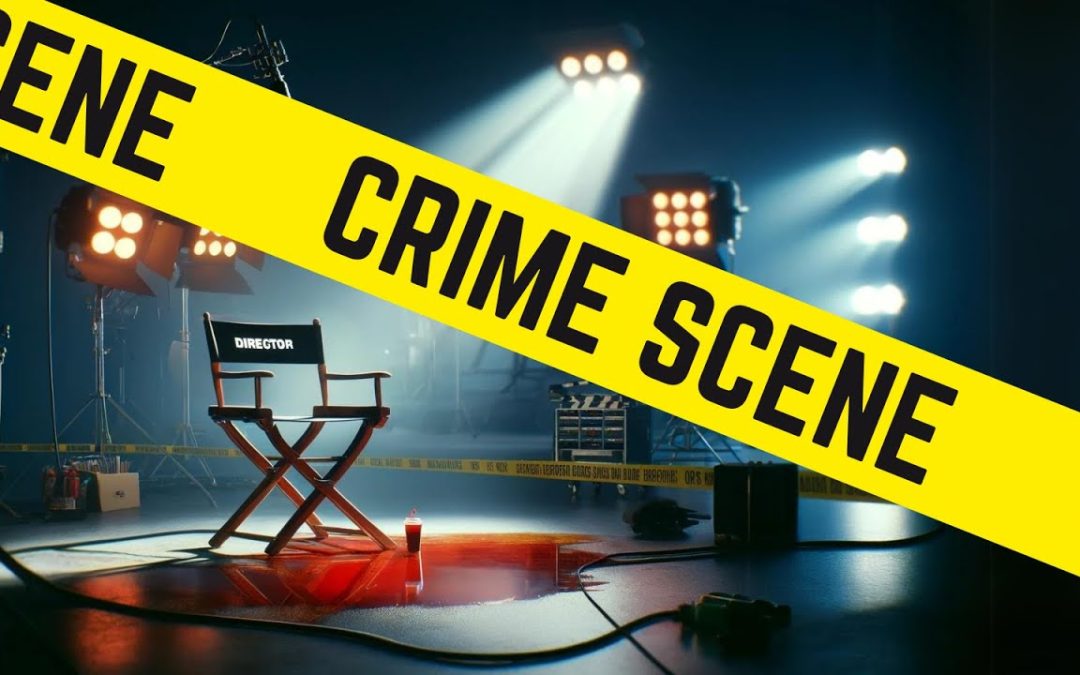
Film sets are often buzzing with creativity and excitement, but behind the scenes, the pursuit of cinematic perfection can sometimes lead to unexpected dangers. Exploring film set accidents reveals not only the risks faced by cast and crew but also the primordial safety measures that have evolved over time. This article delves into notable incidents that have shaped industry standards, highlighting the importance of vigilance and innovation in creating a safer environment for everyone involved in the magic of filmmaking.
What caused the most infamous film set accident?
The most infamous film set accident was caused by a firearm misfire during the filming of The Crow, resulting in the tragic death of actor Brandon Lee.
What are some of the most notable film set accidents in history and their impact on safety regulations in the industry?
Throughout the history of filmmaking, several notable accidents have profoundly impacted safety regulations in the industry. One of the most infamous incidents occurred during the filming of “The Twilight Zone: The Movie” in 1982, where a helicopter crash tragically claimed the lives of actor Vic Morrow and two child actors. This devastating event prompted a reevaluation of safety protocols, leading to stricter regulations regarding the use of child performers and the operation of aerial equipment on set. Similarly, the on-set death of Brandon Lee during the filming of “The Crow” in 1993 sparked widespread calls for enhanced firearm safety measures, resulting in the implementation of more rigorous training and oversight in handling weapons. These incidents, among others, have ultimately shaped a more safety-conscious culture within the film industry, emphasizing the importance of prioritizing the well-being of all cast and crew members during production.
How do production teams ensure the safety of cast and crew members while filming in potentially dangerous environments?
Production teams prioritize the safety of cast and crew members by implementing comprehensive risk assessments and safety protocols tailored to each filming location. Before shooting begins, they conduct thorough evaluations of the environment to identify potential hazards, such as rough terrain, extreme weather conditions, or the use of specialized equipment. This proactive approach allows teams to develop detailed safety plans that include emergency procedures, appropriate training, and the necessary safety gear to protect everyone involved.
In addition to risk assessments, production teams often collaborate closely with safety experts and local authorities to ensure compliance with regulations and best practices. Regular safety meetings are held to keep everyone informed about potential risks and establish clear communication channels. By fostering a culture of safety and vigilance, production teams not only mitigate risks but also empower cast and crew members to prioritize their well-being, creating a secure environment where creativity can thrive.
Behind the Scenes: The Hidden Risks of Filmmaking
Filmmaking is often celebrated for its creative brilliance and the magic it brings to the screen, but behind the glitz lies a labyrinth of hidden risks that can jeopardize productions at every turn. From unpredictable weather conditions to the complexities of coordinating large crews and elaborate stunts, filmmakers must navigate an array of challenges that can derail even the best-laid plans. The pressure to deliver a compelling story often leads to compromises in safety, creating an environment where accidents can happen and costly delays can ensue.
Moreover, the financial stakes of a film project can lead to high-stress situations, resulting in burnout among cast and crew. The demands of tight schedules and budget constraints can make it difficult to prioritize mental health and well-being, often leaving team members feeling overwhelmed. To succeed in this high-octane industry, it’s essential for filmmakers to foster a culture of safety and support, ensuring that creativity can flourish without compromising the well-being of those behind the scenes.
Safety in the Spotlight: Lessons from On-Set Mishaps
In the high-stakes world of film production, safety often takes a backseat to creativity and deadlines, leading to preventable on-set accidents that can have devastating consequences. Recent mishaps have illuminated the urgent need for stricter safety protocols and comprehensive training for all crew members, ensuring that every individual understands the potential hazards of their environment. By prioritizing safety, the industry can foster a culture where creativity thrives without compromising the well-being of its talent and crew, ultimately transforming lessons from past mistakes into a foundation for a more secure future on set.
Reel Risks: Understanding the Perils of Film Production
Film production is a thrilling yet intricate process that brings stories to life, but it is not without its challenges. From budget constraints to scheduling conflicts, filmmakers must navigate a labyrinth of logistical hurdles. Each decision made on set can have significant implications, affecting not only the creative vision but also the financial viability of the project. Understanding these risks is primordial for anyone involved in the industry, as it allows for better preparedness and more effective problem-solving.
Safety is another paramount concern in film production. From stunts to special effects, the physical demands placed on cast and crew can lead to accidents if proper precautions are not taken. Moreover, psychological stressors, such as tight deadlines and high expectations, can contribute to a tense working environment. By prioritizing safety protocols and fostering a supportive culture, production teams can mitigate these risks, ensuring that everyone on set can contribute to the project without fear of harm or burnout.
Finally, the unpredictability of external factors, such as weather conditions or location permits, adds another layer of complexity to film production. These variables can delay shoots and inflate budgets, ultimately threatening the project’s completion. Filmmakers must remain adaptable, employing contingency plans to address unforeseen challenges. By recognizing and understanding the myriad risks involved, production teams can navigate the tumultuous waters of filmmaking, turning potential setbacks into opportunities for creativity and innovation.
The world of filmmaking, while often glamorous, carries inherent risks that can lead to devastating accidents on set. By acknowledging and addressing these dangers, the industry can foster a safer environment for all involved. Continuous improvement in safety protocols, education, and awareness is essential to protect the creative minds behind the camera and ensure that the magic of cinema can thrive without unnecessary peril. As we reflect on past incidents, it becomes clear that prioritizing safety is not just a responsibility but a vital step towards a more sustainable and successful future in film production.
