
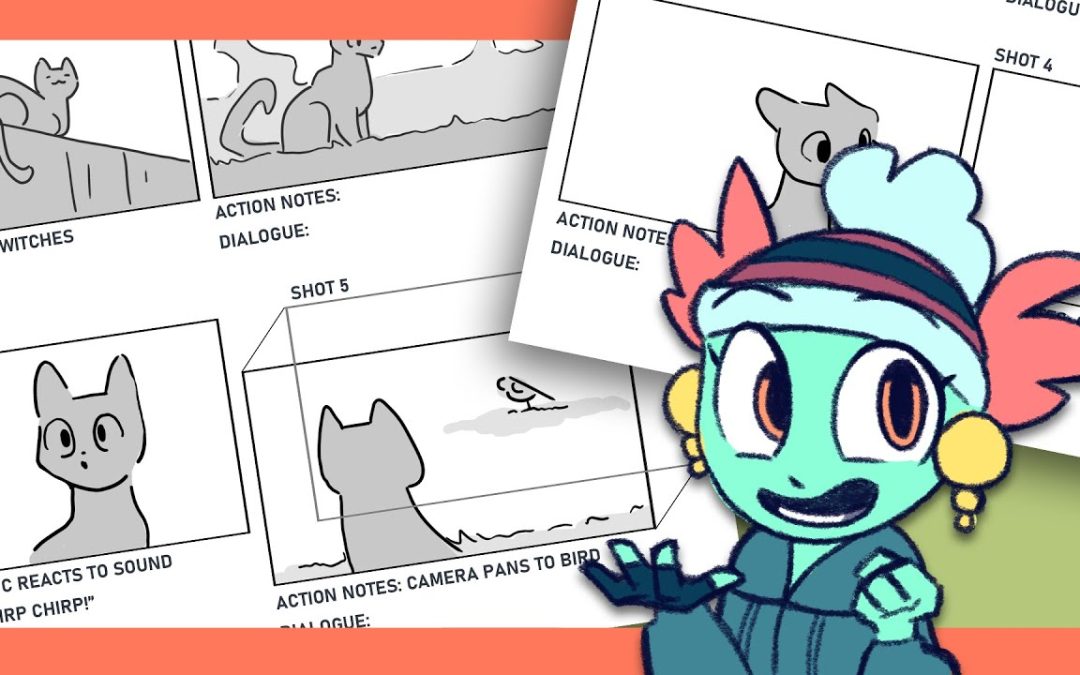
In the world of visual storytelling, effective communication is key, and storyboarding serves as the blueprint for success. Exploring Storyboarding Like a Pro invites you to delve into the art and science behind this essential technique. Whether you’re a filmmaker, animator, or marketer, mastering storyboarding can elevate your projects, streamline your creative process, and enhance collaboration. Join us as we unpack the principles, tools, and tips that can transform your ideas into compelling visual narratives.
What are key tips for effective storyboarding?
Key tips for effective storyboarding include defining your story structure, keeping it simple, focusing on visuals, and ensuring clear communication between team members.
What are the essential elements of effective storyboarding in film and animation?
Effective storyboarding in film and animation hinges on clarity, visual narrative, and emotional resonance. At its core, a storyboard serves as a blueprint, detailing the sequence of events through well-defined frames that convey action, camera angles, and transitions. Essential elements include establishing clear character arcs and motivations, ensuring that each scene flows logically into the next while maintaining visual consistency. Additionally, incorporating notes on timing, sound, and dialogue enhances the storytelling, allowing creators to visualize pacing and emotional beats. Ultimately, a successful storyboard not only outlines the plot but also invites the audience into the world being crafted, setting the stage for a compelling cinematic experience.
How can I improve my storyboarding skills to better convey my ideas visually?
To enhance your storyboarding skills, start by immersing yourself in visual storytelling techniques used in films and animations. Analyze scenes from your favorite movies or shows, paying close attention to how they break down actions, emotions, and transitions. Practice sketching key frames that capture pivotal moments in your narrative, focusing on composition, perspective, and character positioning. This exercise will help you distill your ideas into clear visual segments, making it easier to convey the core message of your story.
Additionally, consider collaborating with others or seeking feedback on your storyboards. Engaging with creative peers can provide fresh perspectives and highlight areas for improvement. Experiment with different styles and formats, such as digital tools or traditional methods, to find what resonates best with your vision. Regularly revisiting and refining your boards will not only sharpen your skills but also deepen your understanding of how visual elements can enhance storytelling, ultimately making your ideas more impactful.
What tools and software are recommended for digital storyboarding?
Digital storyboarding has become an essential part of the creative process, allowing artists and filmmakers to visualize their narratives effectively. Several tools stand out in this realm, offering intuitive interfaces and robust features. Applications like Storyboarder provide a user-friendly platform for sketching scenes, complete with easy export options and integration with other software. For those seeking a more comprehensive solution, Adobe Creative Cloud offers tools like Photoshop and Illustrator, which can be adapted for detailed storyboarding.
In addition to traditional drawing software, specialized storyboarding tools such as Toon Boom Storyboard Pro and Celtx offer unique functionalities tailored for visual storytelling. Toon Boom is renowned for its animation capabilities, allowing users to create dynamic storyboards with animated elements, while Celtx focuses on scriptwriting and production planning, making it a great choice for collaborative projects. Both platforms enable teams to work together seamlessly, enhancing the overall efficiency of the storyboarding process.
For those who prefer a simpler approach, online platforms like Canva and Storyboard That provide drag-and-drop interfaces and pre-made templates. These tools are perfect for beginners or anyone looking to quickly create a storyboard without extensive training. With a variety of options available, creators can choose software that best fits their workflow, whether they prioritize detailed artwork, collaboration, or simplicity.
How can I use storyboarding to enhance my overall storytelling process?
Storyboarding is a powerful tool that can significantly enhance your storytelling process by providing a visual framework for your narrative. By breaking down your story into individual scenes or key moments, you can better organize your thoughts, identify pacing issues, and ensure a coherent flow. This visual representation allows you to experiment with different sequences, explore character interactions, and refine dialogue, all while maintaining an overarching structure. Additionally, storyboarding aids in visualizing the emotional beats of your story, helping you to create a more engaging and impactful experience for your audience. Ultimately, this method not only streamlines your creative process but also fosters a deeper connection to your narrative, making your storytelling more dynamic and effective.
Unlock Your Creative Potential
Unleashing your creative potential begins with embracing curiosity and exploring new perspectives. By stepping outside of your comfort zone and engaging in diverse experiences, you open the door to fresh ideas and innovative solutions. Whether it’s through art, writing, or problem-solving, allowing yourself the freedom to experiment fosters a mindset that thrives on imagination. Surrounding yourself with inspiring individuals and setting aside time for reflection can further ignite your creative spark, enabling you to transform ordinary moments into extraordinary creations. Embrace the journey of creativity, and watch as your unique talents flourish.
From Concept to Canvas
The journey from concept to canvas is a transformative experience that begins with a spark of inspiration. Every great artwork starts as an idea, often born from the artist’s emotions, observations, or imagination. This initial phase is marked by brainstorming and sketching, where thoughts take shape and the essence of the piece begins to emerge. It is a delicate balance of creativity and intuition, setting the stage for what is to come.
As the concept solidifies, artists begin to select their materials and techniques, choosing colors, textures, and tools that will best convey their vision. This stage is decisivo, as the medium can dramatically alter the message and impact of the artwork. Whether it’s oil paints, watercolors, or mixed media, each choice reflects the artist’s unique style and intention. The excitement of bringing a vision to life fuels the creative process, leading to a deep exploration of form and structure.
Finally, the canvas becomes a visual narrative, unfolding the story that began as a mere thought. Each stroke of the brush adds depth and emotion, transforming the blank surface into a compelling work of art. The artist engages in a dialogue with their creation, making adjustments and refinements until the piece resonates with authenticity. This metamorphosis from concept to canvas is not just about creating art; it’s about capturing a moment, an idea, or a feeling that invites viewers to connect and reflect.
Visualize Your Narrative
In a world saturated with information, the ability to visualize your narrative can be the key to engaging your audience effectively. By transforming complex ideas into compelling visuals, you not only enhance understanding but also create an emotional connection that words alone often fail to achieve. Infographics, charts, and illustrations breathe life into your story, making it more relatable and memorable. As you craft your message, consider the power of imagery to guide your audience through the narrative, sparking curiosity and fostering a deeper appreciation for the content. Embrace the art of visualization, and watch your narrative resonate like never before.
Techniques for Effective Planning
Effective planning is essential for achieving personal and professional goals. One of the most powerful techniques is setting SMART objectives—Specific, Measurable, Achievable, Relevant, and Time-bound. This framework helps clarify your goals, making it easier to track progress and adjust strategies as needed. Additionally, breaking larger tasks into smaller, manageable steps can reduce overwhelm and enhance motivation, allowing you to celebrate small victories along the way.
Another vital technique is prioritization, which ensures that your energy is focused on tasks that align with your goals. Using tools like the Eisenhower Matrix can help distinguish between what is urgent and important, guiding you to allocate time and resources effectively. Regularly reviewing and adjusting your plans is equally decisivo, as it allows for flexibility in response to changing circumstances and new opportunities. By combining these strategies, you can create a dynamic, responsive planning process that drives success and fosters growth.
Elevate Your Storytelling Skills
Storytelling is an art that transcends mere narration, allowing you to weave captivating tales that resonate with your audience. By honing your skills, you can transform ordinary experiences into extraordinary narratives that engage and inspire. Whether you’re sharing personal anecdotes or crafting fictional worlds, the ability to connect emotionally with your listeners is key. Techniques such as vivid imagery, relatable characters, and a strong narrative arc can elevate your stories, making them memorable and impactful.
To enhance your storytelling prowess, practice is essential. Experiment with different styles and formats, whether through writing, speaking, or visual mediums. Seek feedback from peers and immerse yourself in diverse narratives to understand various perspectives. By continuously refining your approach and embracing creativity, you’ll not only captivate your audience but also discover your unique voice. Elevating your storytelling skills opens the door to deeper connections and a richer, more fulfilling creative journey.
Mastering the art of storyboarding opens up a world of possibilities for creators, from filmmakers to graphic novelists. By harnessing the power of visual storytelling, you can effectively convey your ideas, enhance collaboration, and streamline the creative process. Embrace the techniques and tips shared in this guide, and watch as your narratives come to life with clarity and impact, allowing you to explore storytelling like a pro.
