
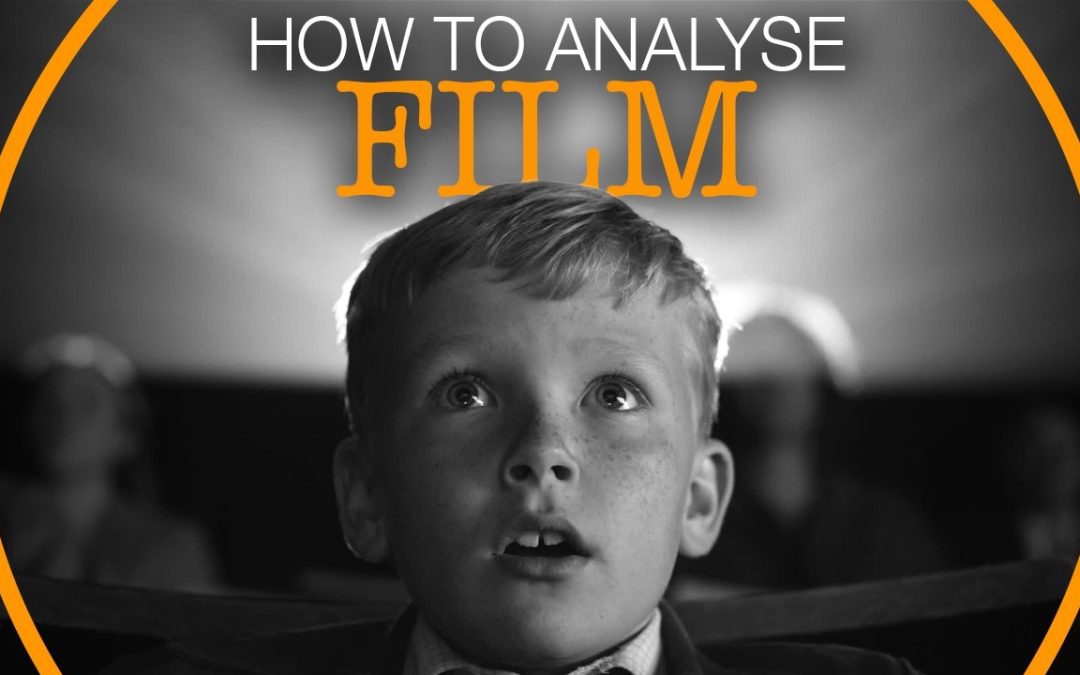
In the realm of cinema, iconic film scenes have the power to evoke deep emotions, provoke thought, and leave lasting impressions on audiences. Understanding how to approach analyzing these memorable moments not only enhances our appreciation of the art form but also unveils the intricate layers of storytelling, cinematography, and character development that contribute to their impact. By exploring the techniques and themes that define these scenes, we can gain valuable insights into the filmmakers’ intentions and the cultural significance of their work. This article will guide you through the essential steps to effectively dissect and appreciate the artistry behind iconic film moments.
What techniques enhance iconic film scene analysis?
To analyze iconic film scenes, focus on visual composition, sound, character emotions, thematic elements, and directorial choices to understand their impact and meaning.
What are the key elements to consider when analyzing iconic film scenes?
When analyzing iconic film scenes, several key elements come into play that enhance their significance and impact. First, one must consider the visual composition, including camera angles, lighting, and color schemes, which together create a distinct atmosphere and evoke specific emotions. The use of sound, both in terms of dialogue and the score, also plays a determinante role in shaping the viewer’s experience, often underscoring the emotional weight of the moment. Additionally, the performances of the actors, particularly their body language and facial expressions, contribute to the scene’s memorability and resonance. Context is equally important; understanding the narrative arc, character development, and thematic relevance helps to situate the scene within the larger story. By examining these elements, one can appreciate not just the artistry involved, but also the profound impact such scenes have on audiences and cinematic history.
How can understanding the context of a film enhance the analysis of its memorable scenes?
Understanding the context of a film significantly enriches the analysis of its memorable scenes by providing the background and circumstances that shape characters’ motivations and plot developments. When viewers grasp the social, historical, or cultural influences surrounding a film’s creation, they can appreciate the nuances of pivotal moments, recognizing how these scenes resonate with broader themes or societal issues. This deeper insight allows for a more profound connection to the characters’ emotional journeys, making their experiences more relatable and impactful. Ultimately, context transforms the viewing experience from mere entertainment into a thoughtful exploration of storytelling and its reflection on the human condition.
Unlocking Cinematic Secrets: A Deep Dive into Film Analysis
Film analysis unveils the intricate layers of storytelling, visual artistry, and emotional resonance that make cinema a powerful medium. By examining elements such as cinematography, sound design, and character development, we gain insight into the filmmaker’s intentions and the societal context surrounding the work. Each frame is a canvas filled with symbolism and meaning, inviting viewers to engage in a dialogue that transcends mere entertainment. As we explore these cinematic secrets, we not only deepen our appreciation for the art form but also enhance our understanding of the human experience reflected in film.
Scene by Scene: Dissecting the Magic of Iconic Moments
Every iconic moment in film or theater is a masterful tapestry woven from carefully selected scenes, each contributing to the overall narrative. From the tension-filled silence before a pivotal confrontation to the heartwarming embrace that follows a long-awaited reunion, these moments resonate deeply with audiences. Each scene serves as a building block, layering emotion and context, allowing viewers to experience the full weight of the characters’ journeys. The combination of visual storytelling, powerful dialogue, and evocative sound design elevates these moments, transforming them into unforgettable experiences that linger long after the credits roll. Through a meticulous analysis of each scene, we uncover the artistry behind the magic, revealing how the smallest details can create monumental impacts.
Frame by Frame: Understanding the Language of Film
In the intricate world of cinema, every frame serves as a vital brushstroke in a larger artistic canvas, conveying emotions, themes, and narratives without uttering a word. The interplay of light, color, and movement creates a visual language that resonates deeply with audiences, inviting them to explore the subtleties of character and plot. Each cut and transition not only propels the story forward but also enriches the viewer’s experience, encouraging a connection that transcends dialogue. By dissecting the nuances of each scene, we uncover the profound ways filmmakers communicate complex ideas, ultimately revealing that film is not just a sequence of images but a powerful medium that speaks directly to the heart and mind.
The Power of Perspective: Analyzing Film’s Most Memorable Scenes
Film has an unparalleled ability to shape our emotions and perceptions through its visual storytelling. The most memorable scenes often hinge on a simple but powerful shift in perspective, inviting viewers to see the world through a different lens. Whether it’s a close-up that captures a character’s internal struggle or a sweeping wide shot that underscores the vastness of their isolation, these moments resonate deeply, leaving lasting impressions that linger long after the credits roll.
Consider, for instance, the impact of a well-placed camera angle. A low-angle shot can elevate a character, making them appear formidable and commanding, while a high-angle shot can evoke vulnerability and powerlessness. These techniques not only enhance the narrative but also evoke empathy, allowing audiences to connect with characters on a profound level. By manipulating perspective, filmmakers create a dynamic interplay between audience and story, transforming passive viewing into an active emotional experience.
Ultimately, the power of perspective in film transcends mere visual technique; it shapes our understanding of the human experience. Memorable scenes challenge us to reconsider our own viewpoints, prompting reflection on themes of love, loss, and resilience. As we engage with these cinematic moments, we are reminded of the complexity of life and the myriad ways we can interpret our surroundings, enriching both our viewing experience and our understanding of the world.
Visual Storytelling: Techniques for Mastering Film Scene Analysis
Visual storytelling is an essential skill for filmmakers and analysts alike, as it allows for a deeper understanding of how scenes communicate emotions and narratives. By dissecting the visual elements of a film, such as composition, color, and lighting, one can uncover the underlying themes and intentions of the director. Each frame is meticulously crafted to evoke specific feelings and guide the audience’s perception, making scene analysis a powerful tool in both critique and creation.
To master scene analysis, one must pay close attention to the interplay of visual motifs and character positioning within the frame. For instance, the use of symmetry can create a sense of balance and harmony, while asymmetry may evoke tension or unease. Additionally, the strategic placement of characters can reveal their relationships and conflicts, enhancing the viewer’s understanding of the narrative. By observing these details, analysts can interpret the emotional landscape of a film and appreciate the artistry involved in its construction.
Ultimately, visual storytelling transcends mere aesthetics; it serves as a conduit for conveying complex ideas and human experiences. By honing the skills required for effective scene analysis, filmmakers and enthusiasts can unlock the rich layers of meaning embedded in every shot. This mastery not only enriches one’s appreciation of cinema but also empowers creators to craft more impactful stories that resonate with audiences on a profound level.
Analyzing iconic film scenes offers a unique lens through which to appreciate the artistry and storytelling that define cinema. By delving into the elements of cinematography, character development, and thematic resonance, viewers can uncover deeper meanings and connections that enrich their overall experience. Engaging with these moments not only enhances our understanding of the films themselves but also invites us to reflect on the broader cultural contexts in which they exist. Embracing this analytical approach ultimately transforms the way we watch and appreciate films, turning every viewing into an opportunity for discovery and insight.
