
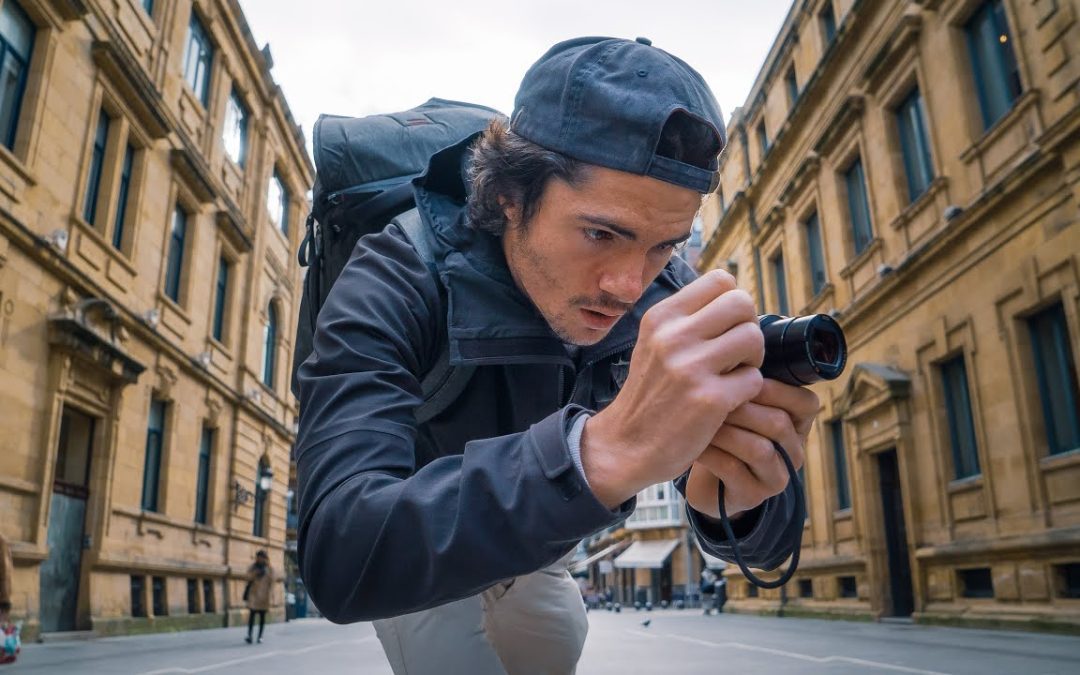
Filming in urban environments presents a unique blend of challenges and opportunities that can elevate your project to new heights. From capturing the vibrant energy of city life to navigating the complexities of logistics and permissions, understanding the nuances of urban filming is essential for success. This article will guide you through effective strategies for approaching urban shoots, ensuring you harness the dynamic backdrop of cityscapes while overcoming potential hurdles. Whether you’re a seasoned filmmaker or just starting, these insights will help you create compelling visuals that resonate with your audience.
What techniques enhance filming in urban settings?
Techniques include scouting locations, utilizing natural light, capturing diverse angles, embracing local culture, and using portable equipment for flexibility.
What are the key considerations for shooting in busy urban areas?
When shooting in busy urban areas, it’s essential to prioritize safety, both for the crew and the public. Securing necessary permits not only ensures legal compliance but also helps manage crowds and access to locations. Timing is decisivo; early mornings or late afternoons often provide a quieter environment and optimal lighting. Additionally, being adaptable is vital, as unexpected obstacles can arise, from weather changes to unplanned street activity. Finally, maintaining clear communication with the team and having a well-organized shooting schedule can streamline the process, allowing for a more efficient and productive shoot amidst the hustle and bustle of the city.
How can I effectively manage sound and lighting when filming in a city?
Effectively managing sound and lighting while filming in a city requires careful planning and adaptability. Start by scouting locations at different times of day to understand natural lighting conditions and potential noise disturbances, such as traffic or construction. Use portable sound equipment like directional microphones and windshields to capture clear audio, minimizing background noise. For lighting, consider using reflectors and softboxes to enhance natural light or supplement it as needed, while being mindful of the surrounding environment. Additionally, maintaining open communication with your crew and being flexible with your shooting schedule can help you adjust to unexpected challenges, ensuring a smooth filming process.
What permits or permissions do I need to film in public spaces?
When planning to film in public spaces, it’s essential to understand the necessary permits and permissions required to avoid legal complications. Generally, you’ll need to obtain a filming permit from the local government or municipality where you intend to shoot. This process often involves submitting an application that outlines your project, the intended locations, and the duration of filming. Some cities may also require you to provide proof of insurance, especially if your shoot could disrupt public access or involve any potentially hazardous activities.
In addition to the main filming permit, you may need to secure additional permissions for specific locations, such as parks, streets, or historical sites, which can have their own regulations. If your filming will involve any significant equipment, large crews, or the use of props, it’s decisivo to notify local authorities in advance. Engaging with the local film commission can provide valuable guidance and streamline the permitting process, ensuring that you can focus on capturing your project while adhering to all legal requirements.
Capture the City: Techniques for Stunning Urban Shots
Urban photography offers a vibrant canvas where the interplay of light, architecture, and human activity creates compelling stories. To capture the essence of a city, focus on the unique angles that showcase its character. Early mornings or late afternoons provide the best natural light, casting soft shadows and highlighting textures. Experimenting with different perspectives, such as shooting from high vantage points or low angles, can reveal hidden details and transform ordinary scenes into extraordinary compositions.
In addition to timing and perspective, incorporating movement can add dynamism to your shots. Whether it’s bustling pedestrians, flowing traffic, or the shifting skyline, capturing motion breathes life into your images. Use techniques like long exposure for a silky effect on passing cars or a quick shutter speed to freeze a moment in time. By blending these elements, you not only document the physical landscape but also evoke the vibrant spirit of urban life, making your photographs resonate with viewers.
From Streets to Screens: Elevate Your Filmmaking Skills
In an era where storytelling transcends traditional boundaries, the journey from streets to screens offers filmmakers an unprecedented opportunity to hone their craft. Urban environments serve as dynamic backdrops, rich with narratives waiting to be captured. By immersing oneself in the vibrant pulse of city life, filmmakers can draw inspiration from real-world encounters, transforming everyday moments into compelling visual stories that resonate with audiences.
Embracing the raw energy of street filmmaking can cultivate a unique style that stands out in a crowded digital landscape. Techniques such as guerrilla filming and spontaneous interviews not only enhance creativity but also foster a sense of authenticity. Filmmakers can experiment with diverse genres and formats, whether through short documentaries, narrative shorts, or experimental pieces, allowing their individual voice to shine through while engaging with the community around them.
As the digital age continues to evolve, elevating your filmmaking skills requires a blend of practical experience and technical knowledge. Leveraging online platforms for tutorials and feedback can amplify growth, while participating in local film festivals opens doors to networking and collaboration. By weaving together street-inspired narratives with cutting-edge techniques, aspiring filmmakers can transform their passion into impactful art that captures the essence of our shared human experience.
Urban Landscapes Unleashed: Filming Tips for Every Scene
Urban landscapes offer a vibrant backdrop for filmmakers, filled with dynamic elements that can elevate any scene. To capture the essence of a city, it’s essential to embrace the rhythm of urban life. Utilize wide-angle shots to showcase towering skyscrapers and bustling streets, but don’t overlook the details; close-ups of street art or candid moments of pedestrians can add depth and authenticity to your narrative. The interplay of light and shadow in urban environments can also enhance the mood—shoot during golden hour for a warm glow or at night for a dramatic effect.
When planning your shoot, consider the time of day and the unique character of each location. Early mornings can reveal serene streets, while evenings bring a vivid nightlife that pulsates with energy. Scout your locations beforehand to identify the best angles and compositions, and always be aware of your surroundings to capture spontaneous moments that tell a story. Experiment with different perspectives, such as shooting from rooftops or low angles, to give your film a fresh and engaging look.
Lastly, sound is an often-overlooked aspect of urban filmmaking that can significantly impact the viewer’s experience. Ambient noises, such as the hum of traffic or the chatter of a local café, help immerse the audience in the scene. Consider incorporating these sounds into your film to create a richer narrative. Don’t shy away from using the city’s natural soundtrack; it can enhance the emotional weight of your visuals and create a more immersive journey through the urban landscape.
City Cinematics: Crafting Visual Stories in Urban Environments
In the bustling heart of urban landscapes, city cinematics emerges as a powerful medium for storytelling, capturing the vibrant pulse of life through a lens. Each frame offers a unique perspective, weaving together the intricate narratives of diverse communities, architectural marvels, and fleeting moments that define city living. Filmmakers harness the dynamic interplay of light and shadow, as well as the rhythm of everyday interactions, to create visual poetry that resonates with audiences. By immersing viewers in the sights and sounds of the metropolis, these visual stories not only entertain but also evoke a deeper understanding of the human experience within the concrete jungle.
Filming in urban environments presents a unique blend of challenges and opportunities, inviting filmmakers to creatively harness the diverse landscapes and vibrant cultures of city life. By understanding the intricacies of urban spaces, from logistical considerations to the dynamic rhythm of urban dwellers, creators can elevate their storytelling and capture the essence of the city. Embracing the unexpected and adapting to the ever-changing urban backdrop not only enhances production quality but also enriches the narrative, allowing filmmakers to produce compelling visual experiences that resonate with audiences.
