
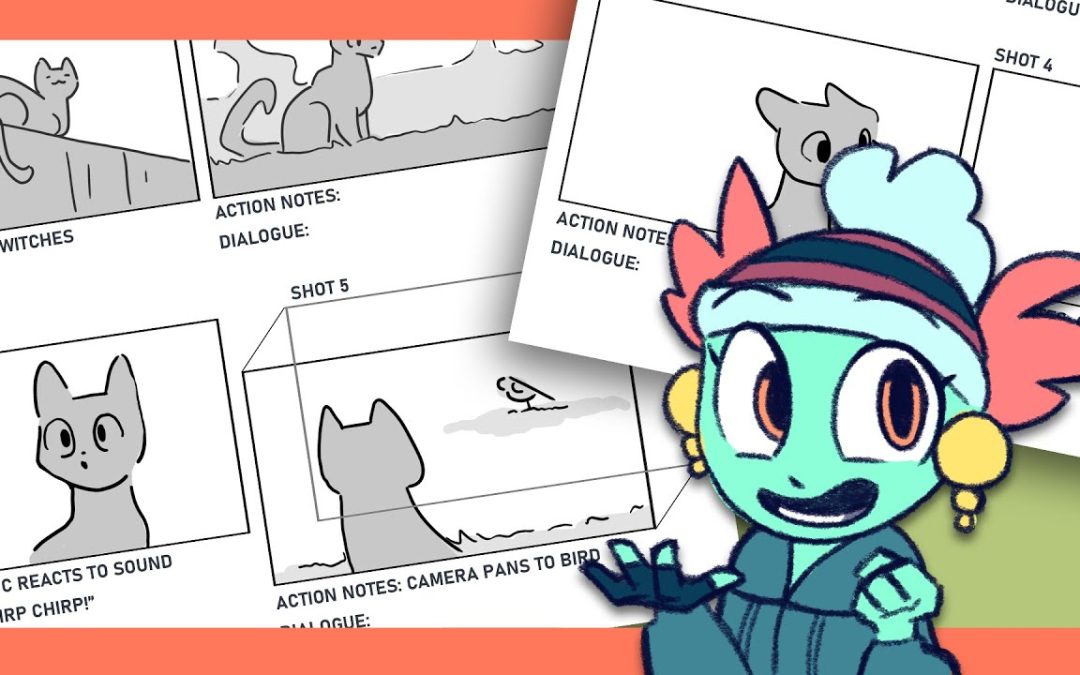
Storyboarding is a vital tool for visual storytellers, providing a blueprint that transforms ideas into captivating narratives. Whether you’re a filmmaker, animator, or marketer, mastering the art of storyboarding can elevate your projects and streamline your creative process. In this article, we’ll explore effective techniques and professional tips on how to approach storyboarding like a pro, ensuring your vision comes to life with clarity and impact. Get ready to unlock your storytelling potential and bring your concepts to the next level!
What are key steps for effective storyboarding?
Start with a clear concept, outline the narrative, create thumbnails for scenes, focus on visual flow, and revise for clarity and impact.
What are the key steps to effective storyboarding for a project?
Effective storyboarding begins with a clear understanding of the project’s goals and target audience, allowing creators to outline the narrative structure and key messages. Next, sketch a sequence of frames that represent pivotal scenes or moments, ensuring each frame conveys essential information while maintaining visual coherence. Collaborating with team members for feedback is primordial, as diverse perspectives can enhance the storytelling process. Finally, refine the storyboard by adjusting elements based on input, ensuring that it effectively communicates the intended story and flows logically from one scene to the next, ultimately serving as a valuable roadmap for production.
How can I improve my visual storytelling skills while storyboarding?
To enhance your visual storytelling skills while storyboarding, start by immersing yourself in a variety of visual narratives. Analyze films, graphic novels, and animations to understand how different elements like framing, composition, and color convey emotions and themes. Pay attention to how scenes transition and how pacing is managed to maintain viewer engagement. This analysis will not only inspire your creativity but also provide practical insights that you can apply to your own projects.
Next, practice by sketching diverse storyboard layouts, focusing on clarity and visual flow. Experiment with different angles, shot sizes, and character placements to effectively communicate your story’s mood and dynamics. Seek feedback from peers or mentors to refine your work, and don’t hesitate to iterate on your designs. The more you engage with the process, the more confident and skilled you will become in using visual elements to tell compelling stories.
What tools or software are recommended for professional-level storyboarding?
For professional-level storyboarding, a variety of tools and software can significantly enhance the creative process. One of the most popular options is Storyboard Pro by Toon Boom, which offers a comprehensive suite of features tailored for animators and filmmakers. This software allows users to create detailed storyboards with customizable templates, camera movements, and timing, making it ideal for both animated and live-action projects.
Another excellent choice is Adobe Photoshop, which, while primarily an image editing tool, provides robust drawing capabilities that many storyboard artists prefer. With its powerful brush engine and layer management, artists can sketch out scenes in high detail and easily manipulate images. Additionally, Photoshop’s integration with other Adobe Creative Cloud applications allows for a seamless workflow, especially when combined with tools like After Effects for animation.
For those seeking a more collaborative approach, tools like Celtx and FrameForge offer cloud-based solutions that facilitate teamwork among writers, directors, and artists. Celtx provides a user-friendly interface for scriptwriting and storyboarding, while FrameForge specializes in pre-visualization, allowing creators to build 3D sets and animate camera movements. These tools not only streamline the storyboarding process but also enhance communication and creative alignment within production teams.
Unlock Your Creativity: Essential Skills for Effective Storyboarding
Storyboarding is a vital tool for transforming ideas into visual narratives, serving as the backbone for successful films, animations, and presentations. To unlock your creativity in this process, honing essential skills such as visual thinking and narrative structure is primordial. By learning to visualize scenes, you can better communicate complex ideas and emotions, allowing your audience to connect with the story on a deeper level. This foundational skill not only enhances your storytelling capabilities but also empowers you to convey your vision with clarity and impact.
Another key aspect of effective storyboarding is the ability to break down a narrative into its core elements. Understanding pacing, character development, and visual composition helps you create a compelling flow that engages viewers. Practicing these elements enables you to anticipate audience reactions and build tension or resolution effectively. By mastering the art of sequencing and framing, you can ensure that each panel serves a purpose, driving the story forward while maintaining visual coherence.
Lastly, collaboration and feedback play primordial roles in refining your storyboarding skills. Engaging with peers or mentors provides fresh perspectives that can inspire new ideas and enhance your work. Constructive criticism helps you identify areas for improvement, while brainstorming sessions can ignite innovative concepts. Embracing this collaborative spirit fosters an environment where creativity flourishes, ensuring that your storyboards not only capture your vision but also resonate with others, ultimately bringing your narratives to life.
Visualize Your Vision: Transform Ideas into Compelling Narratives
Every great story begins with a vision, an idea waiting to be brought to life. By harnessing the power of visualization, you can illuminate the path from concept to compelling narrative. This process not only enhances creativity but also clarifies your message, allowing you to connect with your audience on a deeper level. Whether it’s through vivid imagery, relatable characters, or engaging plotlines, the art of visualization serves as a bridge between abstract thoughts and tangible stories that resonate.
Transforming your ideas into narratives involves more than just words; it requires crafting a journey that captivates and inspires. As you shape your vision, consider the emotions you wish to evoke and the experiences you want to share. Each element you introduce can strengthen your narrative, making it not just a story, but an experience that lingers with your audience. Embrace the transformative power of visualization, and watch your ideas flourish into compelling narratives that leave a lasting impact.
From Concept to Creation: Master the Art of Storyboarding
Storyboarding is the essential bridge between imagination and execution, transforming abstract ideas into visual narratives. This dynamic process allows creators to map out scenes, characters, and pivotal moments, ensuring a cohesive flow that captivates audiences. By sketching out each frame, storytellers can visualize pacing, dialogue, and emotional beats, ultimately refining their vision before diving into production. Mastering the art of storyboarding not only enhances creativity but also streamlines collaboration among team members, making it an invaluable tool for filmmakers, animators, and content creators alike.
As you embark on your journey to master storyboarding, embrace the power of visualization and its role in storytelling. Whether you’re crafting a short film, an animated series, or a marketing campaign, a well-structured storyboard serves as both a roadmap and a source of inspiration. By honing your skills in this art form, you can convey complex narratives with clarity and impact, ensuring that your audience stays engaged from start to finish. With practice and dedication, you’ll transform your concepts into compelling visuals that resonate and entertain.
Mastering the art of storyboarding is a transformative skill that elevates your storytelling to new heights. By embracing a structured approach, focusing on visual dynamics, and refining your narrative flow, you can create compelling visual blueprints that resonate with your audience. With practice and a keen eye for detail, anyone can approach storyboarding like a pro, unlocking the potential to bring their creative visions to life.
