
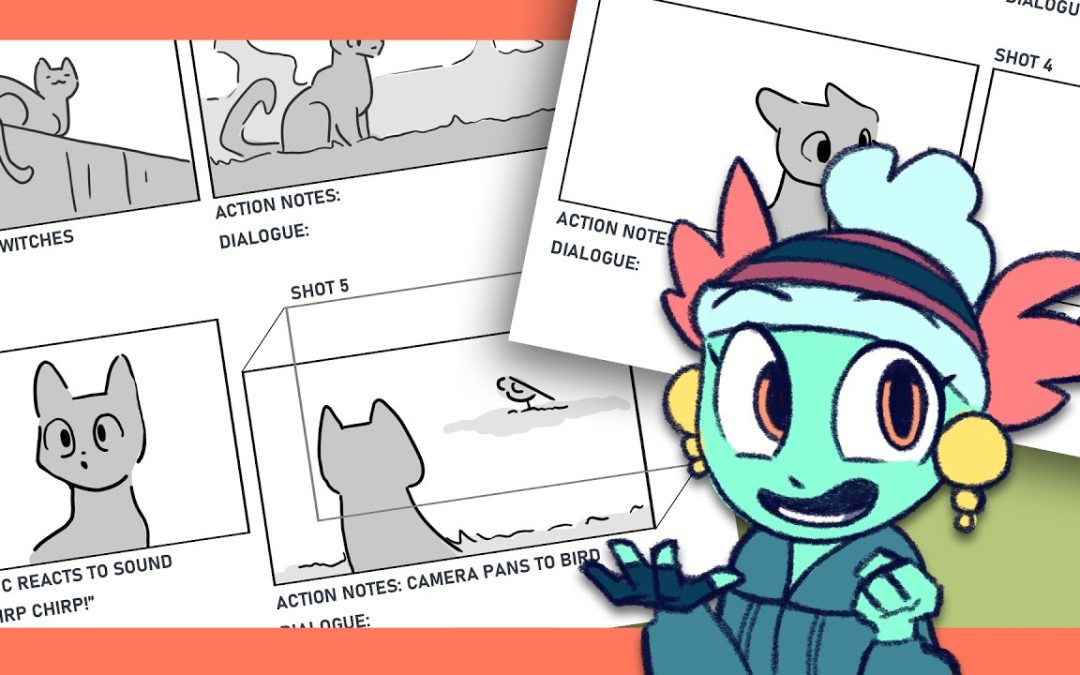
Unlock the secrets of effective visual storytelling with Inside Storyboarding Like a Pro. This article takes you on a journey through the essential techniques and creative processes that elevate your storyboarding skills. Whether you’re a budding filmmaker, animator, or simply passionate about visual narratives, discover how to transform your ideas into captivating storyboards that effectively communicate your vision. Get ready to delve into the artistry and strategy behind professional storyboarding, and learn how to bring your stories to life with clarity and impact.
What are essential tips for effective storyboarding?
Focus on key scenes, maintain a clear flow, use simple sketches, keep notes concise, and revise regularly for clarity and coherence.
What are the essential steps to start storyboarding effectively in Inside Storyboarding Like a Pro?
To start storyboarding effectively, begin by clearly defining your narrative and identifying key scenes that drive the plot forward. Create a visual outline by sketching rough thumbnails for each scene, focusing on composition and character placement to convey emotion and action. Next, establish a consistent style and format for your storyboard, incorporating notes on dialogue, sound, and transitions to ensure clarity. Collaborate with your team, gathering feedback to refine your ideas and enhance storytelling. Finally, review and revise your storyboard to ensure it flows seamlessly, captures the essence of your story, and serves as a solid foundation for production.
How can I improve my storytelling skills through storyboarding techniques?
Storyboarding is an invaluable technique for improving storytelling skills, as it allows you to visualize your narrative before it unfolds. By breaking your story into individual scenes or key moments, you can see the flow of your plot more clearly. This process helps identify pacing issues, character development, and thematic elements, making it easier to refine your story’s structure. Additionally, storyboarding encourages you to think visually, prompting you to consider how each scene contributes to the overall narrative arc.
As you create your storyboard, focus on the emotional beats of your story. Each frame should convey not only action but also the underlying feelings of the characters involved. By illustrating the emotional transitions between scenes, you can enhance the depth of your storytelling. This practice not only sharpens your ability to convey emotion through visuals but also helps you understand how to create tension and resolution, vital elements of any compelling narrative.
Finally, don’t hesitate to experiment with different approaches in your storyboarding process. Use sketches, digital tools, or even index cards to layout your ideas. Embracing this flexibility allows for creative exploration, ensuring that your final story resonates with authenticity. As you refine your story through these techniques, you’ll find that your storytelling skills grow, enabling you to craft more engaging and dynamic narratives.
What tools and software are recommended for professional storyboarding?
When it comes to professional storyboarding, a range of tools and software can enhance the creative process and streamline workflow. One of the most popular options is Storyboard Pro, which offers comprehensive features for both animation and film. Its intuitive interface allows users to sketch, add camera movements, and even incorporate audio, making it a go-to choice for many industry professionals. Additionally, the ability to export to various formats ensures that your storyboard can be easily shared and integrated into other production pipelines.
Another excellent choice is Toon Boom’s Storyboard Pro, which not only supports traditional drawing but also provides advanced features like timeline management and collaboration tools. This software is particularly beneficial for teams working remotely, as it allows multiple users to contribute and edit storyboards in real time. Its integration with animation software further enhances the production process, making it a valuable asset for studios and independent creators alike.
For those seeking a more budget-friendly option, applications like Boords and Canva offer user-friendly interfaces and essential features for effective storyboarding. Boords is designed specifically for storytellers and includes templates for quick frame creation, while Canva’s versatile design tools can help create visually appealing storyboards even for those without a strong artistic background. By exploring these diverse tools, professionals can find the right fit for their creative needs and elevate their storytelling capabilities.
Unlock Your Creative Vision
Embrace the power of imagination and let your creative vision flourish. By setting aside time for exploration and experimentation, you can uncover new perspectives and ideas that spark inspiration. Surround yourself with diverse influences, whether through art, literature, or nature, and allow these experiences to ignite your passion. Remember, creativity thrives in an environment of openness and curiosity; so take risks, make mistakes, and celebrate each step of your journey. With persistence and a willingness to embrace the unexpected, you’ll transform your vision into a vibrant reality.
A Step-by-Step Guide to Visual Narratives
Visual narratives are powerful tools for storytelling, seamlessly blending images and text to create a compelling experience. The process begins with a clear concept; identifying the core message you want to convey is clave. This foundational step will guide your choices in imagery, layout, and style. By establishing a cohesive theme, you ensure that every visual element supports your narrative, enhancing its impact and resonance with your audience.
Once the concept is in place, focus on the visual elements that will bring your story to life. Choose images that evoke emotions and complement your message, whether through photographs, illustrations, or graphics. The arrangement of these visuals is equally important; consider the flow and pacing of your narrative. A well-structured layout can lead the viewer’s eye, making it easier for them to engage with the story and absorb its meaning.
Finally, refine your narrative by integrating text effectively. Keep your language clear and concise, ensuring it enhances rather than overwhelms the visuals. Captions, quotes, and brief passages can provide context and depth, drawing the audience deeper into the story. With careful attention to each element, your visual narrative will not only capture attention but also leave a lasting impression, inviting viewers to reflect on the themes and messages conveyed.
Transform Ideas into Engaging Visuals
In today’s fast-paced digital landscape, capturing your audience’s attention is more clave than ever. Transforming ideas into engaging visuals is not just about aesthetics; it’s a powerful way to communicate complex concepts quickly and effectively. By leveraging compelling graphics, infographics, and videos, you can turn abstract thoughts into tangible representations that resonate with viewers. This visual storytelling approach not only enhances understanding but also fosters emotional connections, making your message memorable.
Harnessing the right tools and techniques can elevate your visual content to new heights. Utilizing design software and platforms that facilitate collaboration allows for seamless integration of creativity and strategy. Whether you’re crafting a presentation, designing social media posts, or developing marketing materials, the emphasis on clear, eye-catching visuals will ensure your ideas stand out. Ultimately, when you transform your ideas into engaging visuals, you not only inform but inspire, driving action and engagement in your audience.
Elevate Your Storytelling Skills
Storytelling is an art that transcends mere words; it’s about creating an emotional connection with your audience. To elevate your storytelling skills, focus on crafting relatable characters and immersive settings that draw readers in. Use vivid imagery and sensory details to paint a picture that captivates the imagination, allowing your audience to experience the narrative as if they were part of it. The rhythm of your prose should mirror the ebb and flow of the story, enhancing the tension and emotional resonance.
Moreover, a strong narrative arc is essential for keeping your audience engaged. Begin with a compelling hook that piques curiosity, then build tension through conflict and challenges that your characters must face. As you approach the climax, ensure that the stakes are high and the resolution is satisfying. By mastering these elements, you can transform ordinary tales into extraordinary journeys that linger in the minds of your readers long after they’ve turned the last page.
From Concept to Creation: A Visual Journey
Every great idea begins as a concept, a spark of inspiration waiting to be transformed into reality. This journey from imagination to execution is a fascinating process that combines creativity with meticulous planning. As concepts evolve, they are shaped by research, collaboration, and refinement, allowing the vision to take form. The initial sketches and prototypes serve as stepping stones, guiding creators through the intricate landscape of design and functionality.
Once the groundwork is laid, the real magic happens as the concept begins to materialize. With each iteration, details are honed, and the vision becomes clearer, culminating in a final product that resonates with its intended audience. This visual journey not only showcases the transformation of an idea but also highlights the dedication and craftsmanship involved in bringing a concept to life. The result is a compelling narrative that celebrates innovation and the power of creativity.
Mastering the art of storyboarding can elevate your creative projects to new heights, enabling you to visualize narratives with clarity and precision. By embracing the techniques and insights shared in Inside Storyboarding Like a Pro, you can unlock your potential and transform your ideas into compelling visual stories. Whether you’re a seasoned professional or just starting out, these strategies will empower you to craft engaging storyboards that captivate audiences and bring your visions to life. Dive into the world of storyboarding today, and watch your storytelling prowess flourish.
