
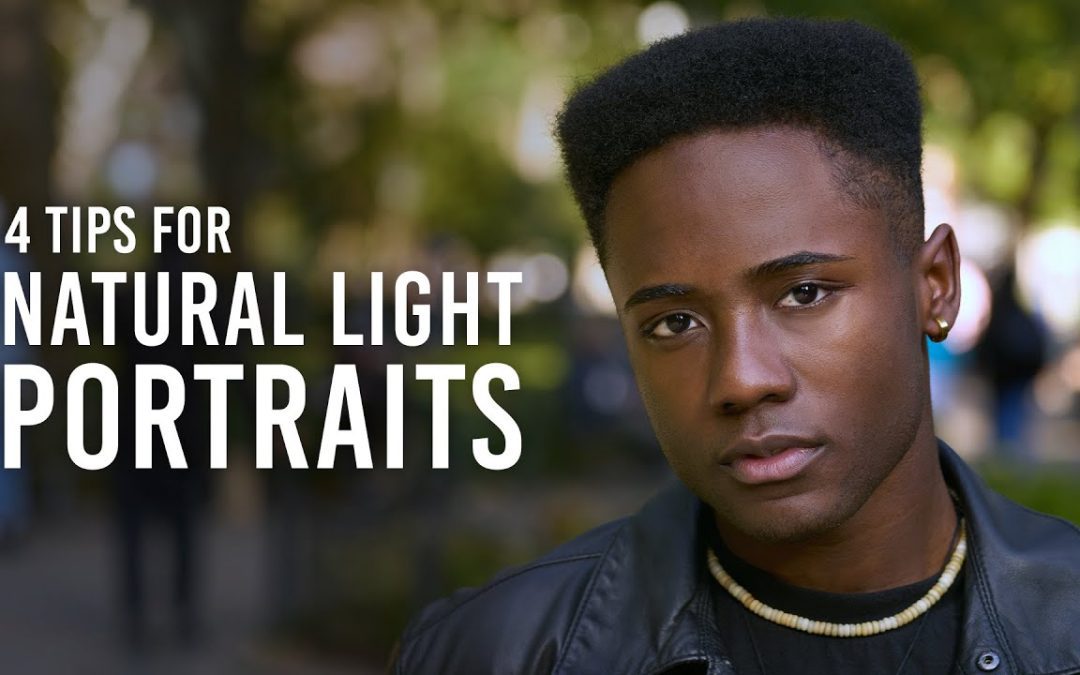
Mastering the art of photography in natural light can transform your images from ordinary to extraordinary. By understanding how to harness the sun’s rays, photographers can create stunning visuals that capture the essence of their subjects. This article delves into the techniques and tips for learning from shooting in natural light, empowering you to enhance your skills and elevate your photography to new heights. Whether you’re a beginner or an experienced shooter, embracing the beauty of natural light will unlock a world of creative possibilities.
What are tips for shooting in natural light?
Shoot during golden hours for soft light, use reflectors to enhance brightness, and avoid harsh midday sun for better results. Experiment with angles for creative effects.
What are the best practices for shooting in natural light to enhance my photography skills?
Shooting in natural light can transform your photography, enhancing both the mood and depth of your images. To make the most of natural light, timing is essential. The golden hours—shortly after sunrise and just before sunset—offer soft, diffused lighting that reduces harsh shadows and brings warmth to your photos. Positioning your subject to take advantage of directional light can create striking contrasts and highlight textures, while avoiding direct overhead sunlight helps prevent washed-out colors and unflattering shadows.
Another key practice is to observe how light interacts with your environment. Experimenting with different angles and compositions can lead to unexpected and captivating results. Utilizing reflectors or diffusers can help control the intensity of light and soften shadows, enhancing the overall quality of your images. Lastly, don’t be afraid to adjust your camera settings to accommodate changing light conditions; mastering exposure will allow you to achieve the desired effect, whether you’re aiming for a bright, airy feel or a moody, dramatic scene.
How can I effectively utilize different times of day for natural light photography?
Utilizing different times of day for natural light photography can significantly enhance the mood and quality of your images. Early morning, often referred to as the “golden hour,” offers soft, diffused light that creates gentle shadows and highlights. This time is ideal for capturing landscapes and portraits, as the warm tones can add a magical quality to your photographs. The tranquility of the morning also allows for fewer distractions, giving you the opportunity to focus on composition and detail.
As the day progresses, the light becomes harsher, especially around midday. While this might not be the best time for soft portraits, it can be perfect for capturing vibrant colors and dynamic contrasts in urban environments or nature. Experimenting with shadows and reflections during this time can lead to striking images that convey energy and movement. Additionally, using overcast days can provide a unique opportunity to capture colors more vividly, as clouds act as a natural diffuser of light.
As the sun sets, the “golden hour” returns, transitioning into the “blue hour,” where the sky takes on deep blues and purples. This time is perfect for capturing the interplay between artificial and natural light, especially in urban settings. Night photography can reveal a completely different perspective, allowing you to experiment with longer exposures and creative compositions. By understanding and leveraging the unique qualities of light throughout the day, you can elevate your photography and convey a range of emotions and atmospheres in your work.
What equipment do I need to optimize my shooting experience in natural light?
To optimize your shooting experience in natural light, a sturdy tripod is essential. A good tripod stabilizes your camera, allowing for longer exposure times without the risk of blurriness. This is particularly useful in low-light conditions, such as during the golden hour, when the sun is low on the horizon. Look for a lightweight yet robust model that is easy to transport, ensuring you can set up quickly and efficiently in various outdoor settings.
Another decisivo piece of equipment is a quality lens that suits your photography style. Prime lenses with wide apertures are excellent for capturing sharp images with beautiful bokeh, while zoom lenses offer versatility for different compositions without the need to change lenses frequently. Additionally, consider using a polarizing filter to enhance colors and reduce glare, especially when shooting landscapes. This accessory helps to manage reflections and can significantly improve the vibrancy of your images.
Lastly, don’t underestimate the value of a good camera bag. A well-designed bag protects your gear from the elements and allows for easy access when you’re on the move. Look for one with adjustable compartments to accommodate your camera, lenses, and other accessories, ensuring that everything is organized and secure. With the right tripod, lenses, and carrying solution, you’ll be well-equipped to make the most of your natural light shooting adventures.
How do I handle challenging lighting conditions when shooting outdoors?
When shooting outdoors in challenging lighting conditions, it’s essential to adapt your approach to achieve the best results. Start by evaluating the direction and quality of the light; early mornings and late afternoons often provide softer, more flattering illumination. Use reflectors or diffusers to manage harsh sunlight, helping to soften shadows and evenly distribute light on your subject. If you’re facing backlighting, consider using fill flash or increasing your ISO to ensure detail isn’t lost in the shadows. Finally, don’t hesitate to explore creative solutions, like shooting in the shade or incorporating interesting foreground elements to enhance depth and visual appeal despite the lighting challenges.
Capture the Beauty of Every Moment
Life unfolds in a series of fleeting moments, each brimming with beauty waiting to be discovered. From the gentle sway of a flower in the breeze to the laughter shared among friends, every experience offers a chance to pause and appreciate the world around us. By cultivating mindfulness, we can learn to embrace these instances, transforming the ordinary into extraordinary memories. Let each moment serve as a reminder to savor the journey, capturing the essence of life in all its vibrant hues.
Illuminate Your Images with Sunlight
Harnessing the power of natural light can transform your photography, bringing warmth and vibrancy to your images. Sunlight, with its ever-changing qualities, creates stunning shadows and highlights that add depth and dimension to your composition. By strategically timing your shoots during golden hour—just after sunrise or before sunset—you can capture that magical glow that makes your subjects pop. Embrace the beauty of sunlight, and watch as your photographs come alive, showcasing the world in its most radiant form.
Harnessing Nature’s Palette for Stunning Shots
Nature offers an unparalleled palette of colors that can elevate any photograph from ordinary to extraordinary. By understanding the subtle shifts in hues across different seasons, photographers can capture the essence of landscapes in vibrant detail. From the rich oranges and golds of autumn leaves to the soft pastels of spring blooms, each season presents a unique opportunity to showcase nature’s artistry through the lens.
Lighting plays a decisivo role in enhancing these natural colors. The golden hour, just after sunrise or before sunset, bathes the landscape in warm, soft light that amplifies the vibrancy of colors without harsh shadows. Photographers can experiment with angles and perspectives during this magical time to create images that are not only visually stunning but also evoke a sense of tranquility and wonder.
Incorporating natural elements like water, sky, and wildlife can further enrich the composition, providing context and depth to the colors captured. Reflective surfaces, like lakes and rivers, can mirror the stunning hues of the sky, creating a harmonious blend that captivates the viewer. By thoughtfully combining these elements, photographers can harness nature’s palette to produce striking images that tell a story and inspire admiration for the beauty that surrounds us.
Techniques to Transform Ordinary into Extraordinary
In a world filled with everyday experiences, finding ways to elevate the ordinary can lead to profound transformations. One effective technique is to embrace creativity in routine activities. By infusing a touch of imagination into daily tasks—whether through vibrant meal presentations, personalized notes for loved ones, or even reimagining your workspace—you can turn mundane moments into delightful surprises. This simple shift in perspective allows you to see beauty and potential in the commonplace, fostering a sense of joy and appreciation in your life.
Another powerful approach involves the practice of mindfulness. By being fully present in each moment, you can uncover the richness hidden beneath the surface of ordinary experiences. Take time to savor a warm cup of coffee, listen attentively to a conversation, or appreciate the beauty of nature during a walk. These small acts of mindfulness can transform simple moments into extraordinary memories, enhancing your overall well-being and creating a deeper connection with the world around you. Together, these techniques empower you to cultivate a life filled with wonder and excitement.
Mastering the art of shooting in natural light opens up a world of creative possibilities for photographers. By understanding how to harness the sun’s rays, you can evoke emotion and atmosphere in your images, transforming ordinary scenes into stunning visual narratives. Embrace the changing light throughout the day, experiment with different angles, and let nature guide your lens. With practice and patience, you’ll unlock the potential of natural light, elevating your photography to new heights.
