
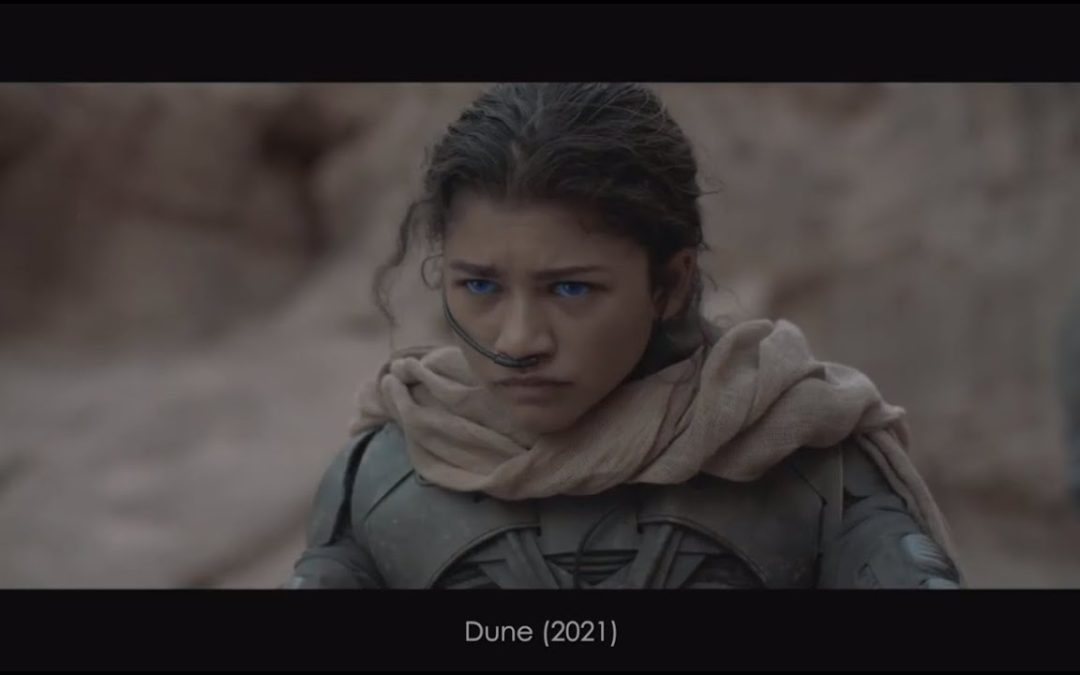
In the world of filmmaking, sound often takes a backseat to visuals, yet it plays a determinante role in storytelling. Learning from Sound Mixing for Film delves into the art and science behind sound design, revealing how effective sound mixing can elevate a film’s emotional impact and narrative clarity. By exploring the techniques used by industry professionals, filmmakers and enthusiasts alike can gain valuable insights into creating immersive auditory experiences that resonate with audiences. This exploration not only highlights the importance of sound but also offers practical lessons for enhancing the overall quality of cinematic storytelling.
How does sound mixing enhance film storytelling?
Sound mixing enhances film storytelling by creating an immersive experience, setting the mood, and emphasizing emotions, which helps convey the narrative more effectively to the audience.
What are the key principles of sound mixing for film that beginners should learn?
Sound mixing for film is an art that combines technical skill with creative intuition. One of the fundamental principles beginners should grasp is the importance of balance. This involves ensuring that dialogue, sound effects, and music coexist harmoniously. A well-balanced mix allows dialogue to remain clear and intelligible, while still allowing background sounds and music to enhance the emotional impact of a scene. Learning to adjust levels and panning can significantly elevate the overall listening experience.
Another critical principle is the use of frequency management. Understanding how different sounds occupy specific frequency ranges enables beginners to create a mix that is both rich and dynamic. By cutting or boosting certain frequencies, one can eliminate muddiness and ensure that each element of the soundtrack is distinct. Utilizing equalization effectively helps in carving out space for dialogue to shine, while allowing ambient sounds and music to fill the audio spectrum without overwhelming the listener.
Finally, beginners should prioritize the concept of space and depth in their mixes. Techniques such as reverb and delay can create a sense of environment, making the audience feel as though they are part of the film’s world. By manipulating these effects, one can distinguish between foreground and background sounds, adding layers that contribute to the story. Mastering these principles not only enhances the technical quality of a film’s sound but also enriches its narrative impact, making it an essential skill for aspiring sound mixers.
How does sound mixing enhance the emotional impact of a film?
Sound mixing plays a determinante role in amplifying the emotional landscape of a film, transforming a visual experience into a deeply immersive journey. By carefully balancing dialogue, music, and sound effects, sound mixing creates a rich auditory tapestry that resonates with the viewer’s feelings. For instance, a swelling score during a pivotal scene can evoke feelings of joy or sorrow, while subtle background sounds can heighten tension and anticipation. This meticulous attention to audio detail ensures that each moment is felt as much as it is seen, allowing the audience to connect more profoundly with the characters and narrative.
Moreover, sound mixing contributes to the film’s pacing and atmosphere, guiding the audience’s emotional responses throughout the story. A well-timed silence can create a moment of reflection, while sudden bursts of sound can jolt viewers into action. By manipulating sound dynamics, filmmakers can steer emotions, making laughter feel lighter or heartbreak more poignant. Ultimately, the art of sound mixing elevates a film beyond mere visuals, crafting an experience that lingers in the hearts and minds of the audience long after the credits roll.
What tools and software are commonly used in professional sound mixing for film?
Professional sound mixing for film relies on an array of sophisticated tools and software that enhance audio quality and create immersive experiences. Industry-standard digital audio workstations like Avid Pro Tools and Adobe Audition provide robust environments for editing and mixing, while plugins such as Waves and Universal Audio offer powerful effects and processing capabilities. Hardware interfaces, including audio mixers and control surfaces, facilitate precise adjustments, while sound libraries and field recording tools capture high-quality audio elements. Together, these technologies enable sound engineers to craft rich soundscapes that elevate storytelling in film.
Elevate Your Audio Game
Transform your listening experience with cutting-edge audio technology that brings your favorite sounds to life. Whether you’re a music enthusiast, a podcast lover, or a gamer seeking immersive soundscapes, upgrading your audio setup can make all the difference. High-fidelity speakers, noise-canceling headphones, and advanced soundbars are just a few options that can enhance clarity and depth, allowing you to hear every note and detail as the artist intended.
Investing in quality audio gear not only elevates your entertainment but also enriches your daily activities. Imagine enjoying your morning coffee while being enveloped in the soothing sounds of your favorite playlist or getting lost in the intricate sound design of your latest video game. With the right equipment, you can create an environment that elevates every moment, making the ordinary extraordinary. Embrace the power of superior audio and let your senses soar.
Transform Your Film with Perfect Sound
Sound is the heartbeat of any film, elevating visuals and enhancing storytelling to create an immersive experience. By investing in high-quality audio design, you can transform your film from ordinary to extraordinary, ensuring that every dialogue, sound effect, and musical score resonates with your audience. From capturing crisp dialogue to weaving in atmospheric soundscapes, perfect sound design not only supports the narrative but also evokes emotions that linger long after the credits roll. Embrace the power of sound and watch your film come alive in ways you never imagined.
The Art of Mixing for Cinematic Impact
Mastering the art of mixing is essential for creating a captivating cinematic experience that resonates with audiences. By skillfully blending dialogue, sound effects, and music, filmmakers can evoke powerful emotions and enhance storytelling. Each element of sound contributes to the overall atmosphere, drawing viewers deeper into the narrative. Attention to detail in the mixing process allows for dynamic shifts that can heighten tension, create intimacy, or evoke nostalgia, ensuring that every scene leaves a lasting impression. Ultimately, a well-executed mix transforms a film from mere visuals into a captivating auditory journey, making it an indispensable component of cinematic artistry.
Unlock the Secrets of Professional Sound
In the world of audio production, achieving professional sound quality is an art that combines technique, equipment, and creativity. Whether you are a budding musician, a seasoned producer, or a content creator, understanding the fundamentals of sound design can elevate your projects to new heights. By mastering the intricacies of mixing, mastering, and sound selection, you can ensure that your audio stands out, captivates your audience, and resonates with clarity.
Investing in the right tools is essential for unlocking the secrets of professional sound. High-quality microphones, audio interfaces, and headphones can significantly enhance your recording and listening experience. Furthermore, leveraging advanced software for editing and effects can add depth and richness to your audio. Familiarizing yourself with these tools and their capabilities will empower you to bring your creative vision to life, ensuring that every note, beat, and sound is meticulously crafted.
Finally, don’t underestimate the power of experimentation and continuous learning. The landscape of audio production is ever-evolving, with new techniques and technologies emerging regularly. Engaging with online courses, tutorials, and community forums can help you stay ahead of the curve and refine your skills. By dedicating time to practice and explore new soundscapes, you will not only unlock the secrets of professional sound but also discover your unique sonic identity.
Crafting Immersive Audio Experiences
In today’s fast-paced digital landscape, crafting immersive audio experiences has become a vital element for captivating audiences. By integrating high-quality sound design with innovative storytelling, creators can transport listeners into vibrant worlds that resonate emotionally. Whether it’s through podcasts, video games, or virtual reality, the right audio elements can elevate a narrative, making it more engaging and memorable. The power of sound lies in its ability to evoke feelings and set the tone, allowing creators to connect with their audience on a deeper level.
To achieve these immersive experiences, sound engineers and designers must harness a variety of techniques, from spatial audio to layered soundscapes. By thoughtfully combining ambient sounds, music, and dialogue, they can create a rich auditory environment that surrounds the listener. This attention to detail not only enhances the storytelling but also fosters a sense of presence, making the audience feel as if they are part of the action. Ultimately, the art of crafting immersive audio experiences is about transforming ordinary moments into extraordinary journeys, inviting listeners to explore and engage in ways they never thought possible.
Mastering the art of sound mixing for film not only enhances the cinematic experience but also teaches invaluable lessons about storytelling, emotion, and audience engagement. By understanding how sound shapes narrative and influences perception, filmmakers can create more immersive worlds that resonate deeply with viewers. Embracing these principles can elevate any project, transforming mere visuals into a powerful auditory journey that leaves a lasting impact.
