
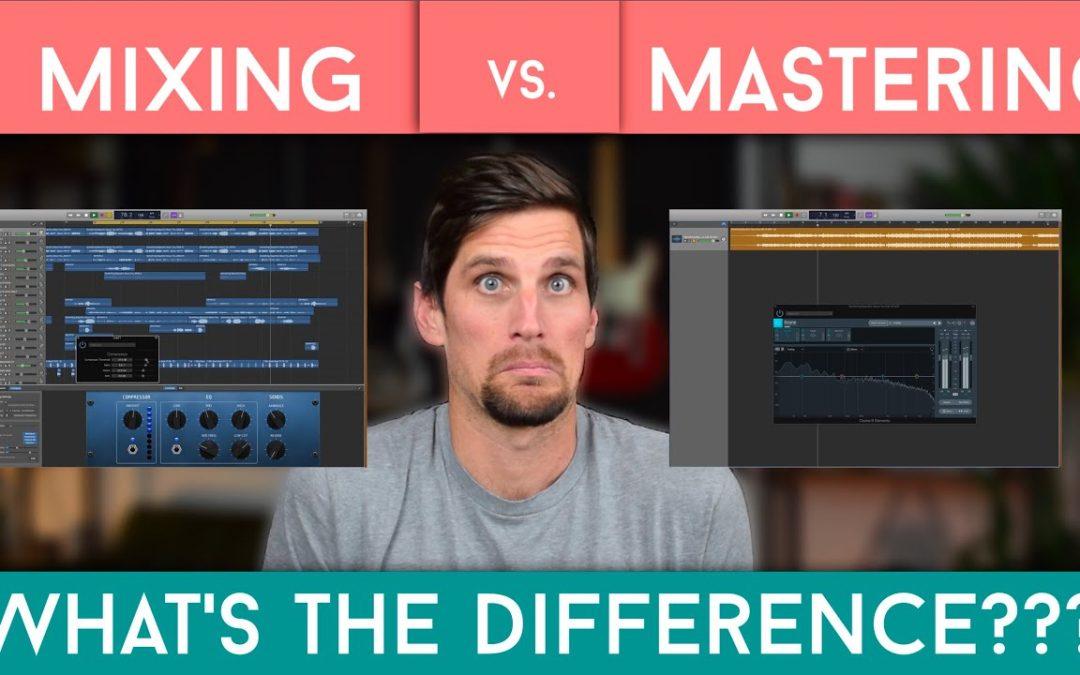
Sound mixing is a determinante yet often overlooked aspect of filmmaking that can elevate a movie from good to unforgettable. By mastering the art of sound mixing, filmmakers can create an immersive auditory experience that enhances storytelling and captivates audiences. This article explores the essential techniques and principles of sound mixing in film, revealing how sound can shape emotions, build tension, and enrich the visual narrative. Join us as we delve into the world of sound mixing and discover valuable lessons that can transform your filmmaking process.
How does sound mixing enhance film storytelling?
Sound mixing enhances film storytelling by creating emotional depth, setting the atmosphere, and guiding audience focus, making the narrative more immersive and impactful.
What are the essential techniques for sound mixing in film production?
Sound mixing in film production is a determinante process that shapes the audience’s emotional experience and overall perception of the narrative. One essential technique is balancing levels, which involves adjusting the volume of dialogue, music, and sound effects to ensure clarity and cohesion. A well-mixed soundscape allows the dialogue to shine while supporting it with background music and effects that enhance the scene without overwhelming it.
Another vital technique is panning, which creates a sense of space and directionality in the audio. By strategically placing sounds in the stereo field, sound mixers can guide the audience’s attention and evoke a more immersive experience. This technique helps to distinguish between foreground and background sounds, making the film’s world feel more realistic and engaging.
Finally, the use of equalization (EQ) is essential for refining the tonal quality of each sound element. By adjusting the frequency balance, sound mixers can eliminate unwanted noise and enhance specific characteristics of dialogue, music, and effects. This meticulous attention to detail ensures that every auditory component contributes effectively to the storytelling, resulting in a polished and professional final product that resonates with viewers.
How can I improve my sound mixing skills for better film audio quality?
To enhance your sound mixing skills for improved film audio quality, start by familiarizing yourself with fundamental concepts such as equalization, compression, and reverb. Invest time in studying the technical aspects of sound design and mixing techniques through online courses or tutorials. Practice regularly by mixing different audio tracks, paying close attention to the balance between dialogue, music, and sound effects. Create a dedicated workspace with quality monitors and headphones to better hear nuances in your mixes. Additionally, seek feedback from peers or professionals, and analyze films with exceptional audio to understand how sound contributes to storytelling, allowing you to apply these insights to your own projects.
What software and tools are commonly used for sound mixing in the film industry?
In the film industry, sound mixing is a critical process that brings together various audio elements to create a cohesive auditory experience. Industry-standard digital audio workstations (DAWs) such as Avid Pro Tools and Apple Logic Pro are widely used for their robust features and flexibility. These platforms allow sound engineers to manipulate dialogue, sound effects, and music tracks with precision. Additionally, software plugins like iZotope RX for audio restoration and Waves plugins for effects processing enhance the mixing capabilities, ensuring high-quality output that meets cinematic standards.
Beyond software, hardware tools play a vital role in sound mixing as well. Mixing consoles, such as those from brands like SSL and Avid, provide tactile control over audio levels and effects, allowing engineers to fine-tune their mixes in real time. Studio monitors and high-quality headphones are essential for accurate sound representation, enabling mixers to discern subtle nuances in the audio. Together, these tools create a professional environment where sound can be expertly crafted to elevate the storytelling in film.
How does sound mixing impact the overall storytelling in a film?
Sound mixing plays a determinante role in enhancing the storytelling of a film by shaping the audience’s emotional response and immersing them in the narrative. Through the careful balance of dialogue, sound effects, and music, sound mixing creates a rich auditory landscape that reflects the film’s mood and atmosphere. It guides viewers’ attention, emphasizing pivotal moments and subtle nuances that might otherwise go unnoticed. By manipulating volume, pitch, and spatial placement, sound mixers can evoke tension, joy, or sorrow, effectively deepening the audience’s connection to the characters and their journeys. In essence, sound mixing transforms a visual experience into a multisensory one, making the story more engaging and memorable.
Elevate Your Audio: Essential Techniques for Filmmakers
Sound is often the unsung hero of filmmaking, yet its impact on storytelling cannot be overstated. By mastering essential audio techniques, filmmakers can create an immersive experience that captivates audiences. Start by investing in quality microphones and recording equipment to capture crisp, clear dialogue. Additionally, pay attention to ambient sounds and foley effects, as these elements breathe life into scenes, enhancing emotional depth and realism.
Moreover, effective audio editing is determinante for maintaining a professional standard. Utilize sound design to layer effects and music that align with the film’s tone, ensuring that each auditory element complements the visual narrative. Proper mixing and mastering will balance dialogue, sound effects, and music, creating a cohesive auditory landscape. By prioritizing these audio techniques, filmmakers can elevate their projects and leave a lasting impression on viewers.
Unlocking the Secrets: Sound Mixing Tips for Impactful Storytelling
Mastering sound mixing is essential for creating an immersive storytelling experience that captivates audiences. By carefully balancing dialogue, music, and sound effects, you can enhance emotional depth and maintain engagement. Start with clear dialogue as the foundation, ensuring it is crisp and intelligible, then layer in ambient sounds to build atmosphere. Use music strategically to underscore pivotal moments, adjusting volume and frequency to avoid overpowering key elements. Finally, embrace the power of silence; intentional pauses can amplify tension and allow audiences to absorb the narrative. With these techniques, your sound mixing will not only support but elevate your storytelling, leaving a lasting impact.
From Set to Screen: Crafting the Perfect Soundscape
Creating a captivating soundscape is an art form that bridges the gap between imagination and reality. Each sound, from the soft rustle of leaves to the haunting echo of footsteps, plays a pivotal role in transporting the audience into the heart of the narrative. Sound designers meticulously curate these auditory elements, ensuring that every sound enhances the visual storytelling and evokes the intended emotions. By thoughtfully layering ambient noises, dialogue, and musical scores, they craft an immersive experience that resonates deeply with viewers.
At the core of sound design lies the intricate process of foley artistry, where everyday sounds are recreated in a studio setting to match the visuals perfectly. This meticulous attention to detail helps to establish a rich auditory environment that complements the on-screen action. Whether it’s the clinking of glass in a bustling café or the distant rumble of thunder in a dramatic scene, these sounds are essential in creating authenticity and depth. The collaboration between sound designers, directors, and editors ensures that the final product is a seamless blend of sound and vision.
As technology continues to evolve, the possibilities for creating unique soundscapes expand exponentially. Innovations in digital audio workstations and sound manipulation tools allow for greater creativity and experimentation. This evolution empowers sound designers to push boundaries and explore new dimensions of storytelling, enhancing the viewer’s emotional journey. Ultimately, a well-crafted soundscape not only complements the visuals but also leaves a lasting impression, making the cinematic experience unforgettable.
Fine-Tuning Your Film: Lessons in Professional Sound Mixing
In the world of filmmaking, sound mixing is often an overlooked element that can elevate a project from amateur to professional. The subtle art of balancing dialogue, music, and sound effects plays a determinante role in storytelling. A well-mixed soundscape creates an immersive experience, allowing audiences to engage with the narrative on a deeper level. Understanding the nuances of sound mixing is essential for filmmakers who aspire to create compelling and memorable films.
One of the fundamental lessons in sound mixing is the importance of clarity and balance. Ensuring that dialogue is crisp and intelligible while harmonizing it with music and sound effects can transform a scene. This balance not only aids in storytelling but also enhances emotional impact. Filmmakers should prioritize the use of high-quality audio equipment and software, as well as invest time in learning the technical aspects of sound design. By doing so, they can craft a polished final product that resonates with viewers.
Moreover, collaboration with professional sound mixers can provide invaluable insights and expertise. Engaging with experienced professionals allows filmmakers to learn industry standards and best practices, ultimately refining their own skills. Workshops and tutorials can further supplement this knowledge, offering hands-on experience in the intricacies of sound mixing. By embracing these lessons, filmmakers can fine-tune their projects, ensuring that every auditory element contributes to a cohesive and captivating cinematic experience.
Mastering the art of sound mixing in film not only enhances the auditory experience but also deepens the emotional impact of storytelling. By understanding the nuances of sound design and its pivotal role in shaping a viewer’s perception, filmmakers can elevate their narratives to new heights. Embracing these techniques opens doors to creativity and innovation, ultimately transforming how audiences connect with the cinematic world.
