
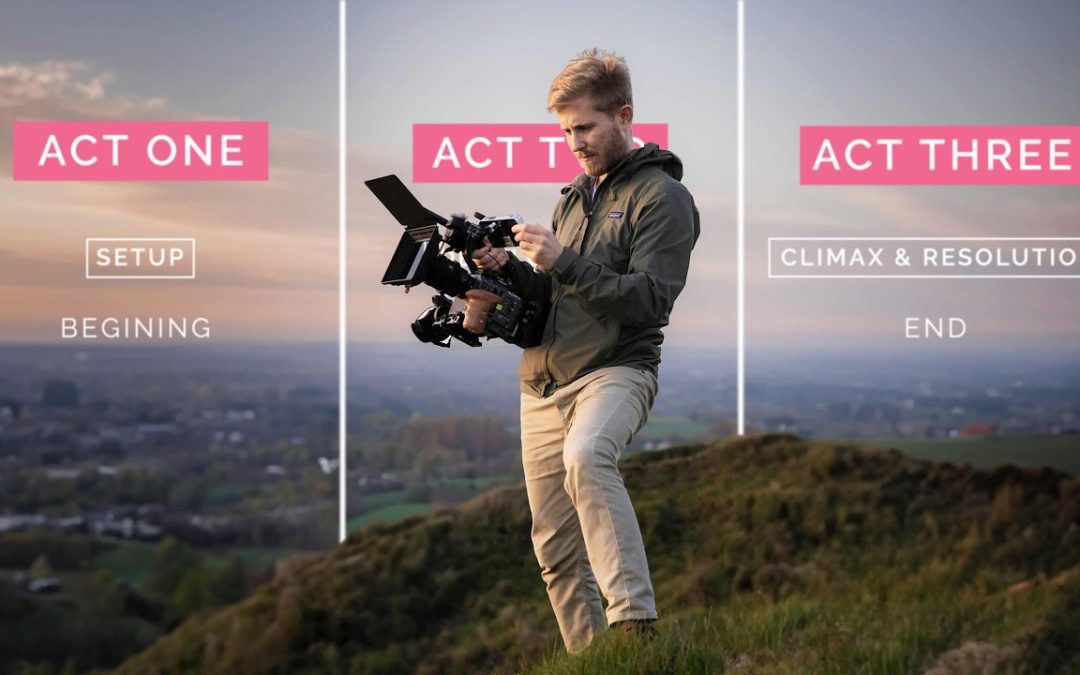
In the world of documentary filmmaking, the structure of your narrative can transform raw footage into a compelling story that resonates with audiences. Mastering Documentary Film Structure delves into the essential frameworks that guide filmmakers in crafting engaging and impactful documentaries. From understanding the importance of pacing and rhythm to effectively blending interviews, visuals, and archival materials, this exploration reveals the techniques that elevate a simple account into a powerful and thought-provoking experience. Whether you’re a seasoned filmmaker or a budding enthusiast, mastering these structural elements is key to captivating viewers and conveying your message with clarity and purpose.
What are key elements of documentary film structure?
Key elements of documentary film structure include a clear narrative arc, engaging characters, thematic focus, strong visuals, and effective pacing to convey the message.
What are the key elements of documentary film structure that every filmmaker should know?
A successful documentary film hinges on a well-defined structure that guides the audience through a compelling narrative. The first key element is the central thesis or theme, which provides a clear focus and purpose for the film. This thematic backbone helps filmmakers determine which stories to tell and how to present them, ensuring that every scene contributes to the overall message. A strong thesis not only engages viewers but also fosters a deeper understanding of the subject matter.
The second essential element is the story arc, which typically includes an introduction, development, climax, and resolution. This structure allows filmmakers to build tension and maintain viewer interest by presenting challenges or conflicts that the subjects face. By carefully orchestrating the flow of information and emotional beats, filmmakers can create a dynamic experience that resonates with audiences, encouraging them to reflect on the issues being explored.
Lastly, effective pacing and editing are esencial for maintaining engagement throughout the film. A well-paced documentary balances informative segments with emotional moments, ensuring that viewers remain invested in the narrative. Thoughtful editing can enhance the storytelling by weaving together interviews, archival footage, and visual elements in a way that supports the film’s thesis. By mastering these key structural elements, filmmakers can craft powerful documentaries that not only inform but also inspire action and change.
How can I effectively organize my documentary to maintain audience engagement throughout?
To effectively organize your documentary and maintain audience engagement, start by crafting a compelling narrative arc. Introduce a clear central theme or story that guides the viewer through the film. Use a strong opening to capture attention, presenting an intriguing question or unique perspective that will resonate with your audience. This initial hook sets the stage for the journey ahead, ensuring viewers are invested from the very beginning.
Next, structure your content into well-defined segments that build upon each other. Incorporate a mix of interviews, visuals, and archival footage to create a dynamic viewing experience. Each segment should not only provide valuable information but also evoke emotional responses, keeping the audience connected to the subject matter. Transition smoothly between sections to maintain flow, and consider using thematic elements or recurring motifs to reinforce your central message.
Finally, conclude with a powerful resolution that ties together the various threads of your documentary. Summarize key insights and leave viewers with thought-provoking takeaways that encourage further reflection or action. By thoughtfully organizing your documentary in this way, you not only hold your audience’s attention but also inspire a deeper connection to the content, fostering a memorable viewing experience.
What techniques can I use to create a compelling narrative arc in my documentary film?
To create a compelling narrative arc in your documentary film, start by identifying a central theme or question that will guide your story, ensuring it resonates emotionally with your audience. Structure your film with a clear beginning, middle, and end: introduce your subject and set the scene, build tension by exploring conflicts and challenges faced, and finally, provide a resolution or insight that leaves viewers reflecting on the experience. Use a mix of interviews, visuals, and sound to enhance storytelling, allowing personal stories to shine through while maintaining a cohesive thread. Additionally, consider pacing and rhythm; intersperse moments of intensity with quieter reflections to keep the audience engaged and create a more profound impact.
Unlocking the Blueprint of Engaging Stories
Every captivating story hinges on a well-crafted blueprint that draws readers in and keeps them invested. At its core, an engaging narrative weaves together relatable characters, a compelling conflict, and a satisfying resolution. By establishing a rich setting and a clear theme, storytellers can create an immersive experience that resonates emotionally with the audience. The rhythm of the plot, punctuated by twists and turns, invites curiosity and fosters connection, transforming a simple tale into a memorable journey. Unlocking this blueprint not only enhances storytelling skills but also enriches the way we communicate, ensuring that our stories leave a lasting impact.
Crafting Compelling Narratives with Precision
In a world overflowing with information, the ability to craft compelling narratives with precision is more vital than ever. A well-structured story engages the audience, drawing them in with vivid imagery and relatable characters while presenting a clear message. By meticulously choosing each word and honing the flow of ideas, writers can create an immersive experience that resonates emotionally and intellectually. This art of storytelling not only captivates but also inspires action, making it essential for anyone looking to communicate effectively in today’s fast-paced environment.
A Step-by-Step Guide to Documentary Excellence
Creating a compelling documentary starts with a clear vision. Begin by identifying your subject and purpose—what story do you want to tell, and why is it significant? Research your topic thoroughly to gather relevant information and insights that will enrich your narrative. Next, outline your film’s structure, detailing key scenes and interviews that will drive the story forward. This strategic planning sets the foundation for a well-organized production, ensuring that your message resonates with the audience.
Once your groundwork is laid, it’s time to move into production. Assemble a skilled team of cinematographers, sound engineers, and editors who share your passion for storytelling. Capture high-quality visuals and authentic interviews that bring your subject to life. In post-production, focus on crafting a compelling narrative through careful editing, sound design, and the addition of music that enhances emotional impact. By following these steps, you will not only create a documentary that informs and inspires but also one that stands out in a crowded marketplace.
From Concept to Screen: Building Strong Foundations
Transforming a creative idea into a captivating film begins with laying a solid foundation, where every detail matters. This process involves meticulous planning, from script development and character arcs to visual storytelling and sound design. Each element must harmonize to create a seamless narrative that resonates with audiences. By fostering collaboration among writers, directors, and production teams, filmmakers can ensure that their vision is not only realized but also enriched through diverse perspectives. Ultimately, a strong foundation paves the way for an engaging cinematic experience, turning concepts into compelling stories that leap off the screen.
Transforming Ideas into Impactful Visual Journeys
In a world where first impressions matter more than ever, the power of visual storytelling has emerged as a transformative force. Effective visuals can captivate audiences, making complex ideas accessible and engaging. By harnessing the nuances of design, color, and composition, we can create narratives that resonate deeply, inviting viewers to explore and connect with the message on a personal level. This is where creativity meets strategy, allowing us to turn abstract concepts into compelling visual experiences.
The journey of translating ideas into visuals begins with understanding the core message and the audience it aims to reach. Through collaboration and brainstorming, we identify key themes and emotions that need to be conveyed. This process not only enhances the clarity of the message but also inspires innovative approaches to representation. Whether through infographics, animations, or illustrations, each medium offers unique advantages in crafting a narrative that is both memorable and impactful.
As we continue to explore the intersection of creativity and technology, the possibilities for visual storytelling expand exponentially. Leveraging cutting-edge tools and techniques, we can push the boundaries of traditional design and create immersive experiences that engage audiences on multiple levels. By focusing on the transformative power of visuals, we empower brands and individuals to communicate their ideas more effectively, ultimately driving meaningful connections and fostering a deeper understanding of their vision.
Mastering Documentary Film Structure unlocks the potential to tell compelling stories that resonate with audiences on a deeper level. By understanding the intricacies of narrative flow, pacing, and emotional engagement, filmmakers can elevate their work beyond mere documentation to create impactful experiences that inspire, inform, and entertain. Embracing these principles not only enhances the artistry of documentary filmmaking but also ensures that each story leaves a lasting impression, paving the way for a new generation of storytellers to engage with the world in profound ways.
