
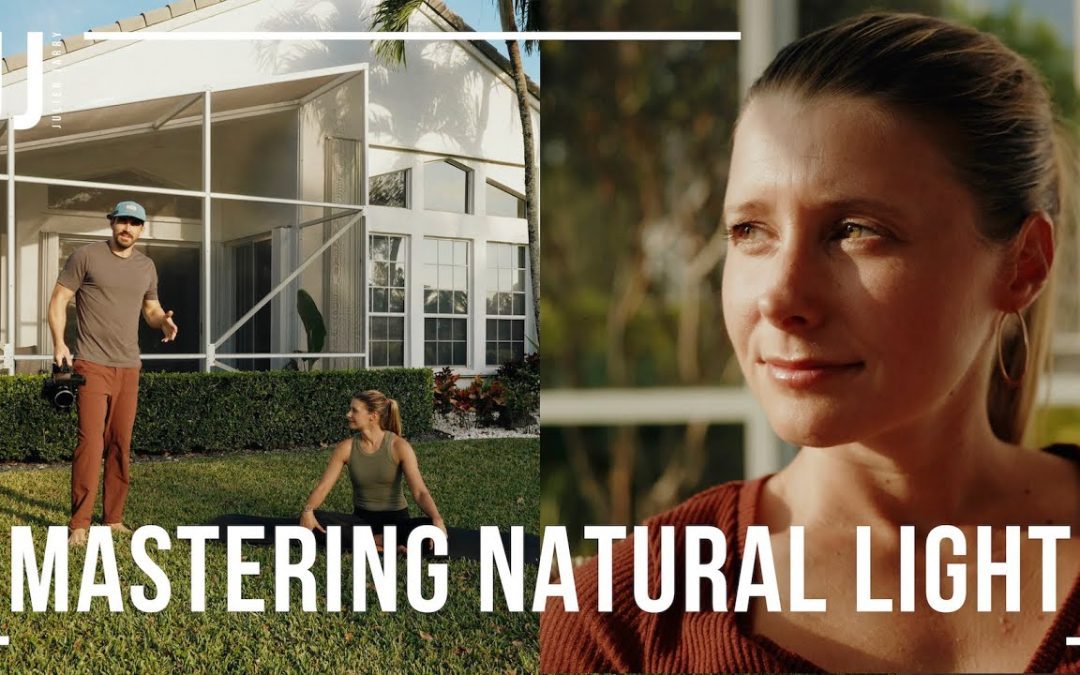
Mastering shooting in natural light is an essential skill for photographers seeking to capture stunning images without the constraints of artificial lighting. By understanding the nuances of natural light—its quality, direction, and color—photographers can transform ordinary scenes into breathtaking works of art. This article explores key techniques and tips that will empower you to harness the beauty of natural light, enhancing your photography and allowing your creativity to shine. Whether you’re a beginner or a seasoned pro, mastering this skill will elevate your work to new heights.
How can you optimize natural light for shooting?
To optimize natural light for shooting, position subjects near windows, shoot during golden hours, and use reflectors to enhance light without harsh shadows.
What are the best times of day to shoot in natural light for optimal results?
The best times of day to shoot in natural light for optimal results are during the golden hours—shortly after sunrise and just before sunset. During these periods, the sunlight is soft and warm, creating a flattering glow that enhances skin tones and landscape details. This gentle light not only minimizes harsh shadows but also adds depth and dimension to photographs. Midday light, while bright, can lead to overly harsh contrasts and unflattering shadows, making early morning and late afternoon the ideal times for capturing stunning images in natural settings.
How can I effectively use reflectors and diffusers when shooting in natural light?
To effectively use reflectors and diffusers when shooting in natural light, start by positioning your subject to take advantage of the available sunlight, ideally during the golden hour for softer light. Use a reflector to bounce light onto your subject, filling in shadows and enhancing features; a white or silver reflector works well for a natural look. When the sunlight is harsh, place a diffuser between the sun and your subject to soften the light, reducing contrast and glare. Experiment with different angles and distances to achieve the desired effect, ensuring your images capture the beauty of natural light while maintaining a balanced and flattering illumination.
What camera settings should I use when photographing subjects in natural light conditions?
When photographing subjects in natural light, the key is to optimize your camera settings to capture the best possible image quality. Start by setting your ISO to a low value, such as 100 or 200, to reduce noise and maintain clarity. Adjust your aperture to create a pleasing depth of field; a wider aperture (like f/2.8 or f/4) is ideal for portraits, as it beautifully blurs the background and draws attention to your subject. However, if you want more of the scene in focus, consider using a smaller aperture (like f/8 or f/11).
Next, focus on your shutter speed to prevent motion blur, especially if your subject is moving. A good rule of thumb is to use a shutter speed that is at least equal to the focal length of your lens. For instance, if you’re shooting with a 50mm lens, aim for a shutter speed of 1/50 seconds or faster. Additionally, take advantage of the natural light by considering the time of day; the golden hour, shortly after sunrise or before sunset, provides soft, flattering light that enhances your images. With these settings, you’ll be well-equipped to capture stunning photographs in natural light.
Illuminate Your Images: Harnessing Sunlight for Stunning Shots
Natural light has a magical quality that can transform an ordinary photograph into a breathtaking masterpiece. By harnessing sunlight, photographers can create images that are rich in color, depth, and emotion. The golden hour, just after sunrise and before sunset, provides a soft, warm glow that enhances skin tones and adds a dreamy quality to landscapes. Understanding how to utilize different lighting conditions can elevate your photography and help you capture stunning shots that resonate with viewers.
Positioning your subject in relation to the sun is importante for achieving the desired effect. Backlighting can create captivating silhouettes, while side lighting adds dimension and texture. Experimenting with angles and shadows allows photographers to highlight unique features and evoke a specific mood. The interplay of light and shadow not only enhances the composition but also tells a story, drawing the viewer’s eye to the focal point of the image.
To truly illuminate your images, don’t shy away from natural reflectors like water, sand, or even buildings. These surfaces can bounce sunlight back onto your subject, creating a flattering and dynamic effect. Learning to see and utilize these natural elements can significantly improve your photography skills. With a keen eye and an understanding of sunlight’s potential, you can capture breathtaking moments that shine with authenticity and artistry.
Shadows and Highlights: The Art of Light in Photography
Light is the essence of photography, shaping the mood and narrative of every image. Understanding the interplay of shadows and highlights allows photographers to create depth and dimension, transforming ordinary scenes into captivating visual stories. By manipulating light direction, intensity, and quality, artists can evoke emotions and draw the viewer’s eye to key elements within the frame. Whether through the soft glow of golden hour or the stark contrast of harsh midday sun, the careful balance of light and shadow can dramatically alter perception and impact.
In mastering this art, photographers learn to see the world differently, finding beauty in the nuanced dance of light. Each shadow tells a story, adding intrigue and complexity, while highlights illuminate focal points, guiding the viewer’s gaze. Experimenting with various lighting conditions fosters creativity and innovation, enabling artists to express their unique vision. Ultimately, the skillful use of shadows and highlights not only enhances the aesthetic appeal of images but also enriches the storytelling potential inherent in each photograph.
Capture the Moment: Natural Light Essentials for Every Photographer
Natural light has an unparalleled ability to transform ordinary scenes into extraordinary images, making it an essential tool for every photographer. By understanding the nuances of natural lighting—such as the golden hour’s warm glow or the diffused softness of overcast days—you can enhance your compositions and evoke emotion in your audience. Experimenting with shadows and highlights allows you to create depth and texture, while the changing quality of light throughout the day offers endless opportunities for creativity. Embrace these elements, and you’ll find that capturing the perfect moment becomes not just a goal, but a rewarding journey in your photography.
From Dawn to Dusk: Perfecting Your Timing with Natural Light
Harnessing the beauty of natural light throughout the day can transform your photography, creating stunning images that resonate with warmth and depth. Begin your journey at dawn, when the soft, golden hues cast a magical glow, perfect for capturing serene landscapes or intimate portraits. As the sun rises higher, embrace the vibrant midday light for bold colors and sharp contrasts, ideal for dynamic street scenes. As dusk approaches, the sky becomes a canvas of rich tones, offering a perfect backdrop for dramatic silhouettes and ethereal night shots. By mastering the art of timing with natural light, you can elevate your photography, making each image a captivating storytelling moment.
Transform Your Photography: Techniques to Embrace Natural Light
Harnessing the beauty of natural light can elevate your photography to new heights, transforming ordinary scenes into breathtaking visuals. Begin by observing how light interacts with your surroundings at different times of the day. The golden hour, shortly after sunrise or before sunset, offers a soft, warm glow that enhances colors and creates striking shadows. Experimenting with angles and perspectives during these times can highlight textures and details that might otherwise go unnoticed, turning a simple moment into a captivating image.
Incorporating natural light also involves understanding its qualities—direction, intensity, and color temperature. Use diffusers or reflectors to manipulate harsh sunlight, softening it to create a more flattering effect. When shooting in shaded areas, pay attention to the cool tones that can add depth to your work. By embracing these techniques, you’ll not only gain confidence in your ability to work with natural light but also develop a unique style that resonates with your artistic vision, inviting viewers to see the world through your lens.
Mastering shooting in natural light not only enhances the beauty of your photographs but also allows for a deeper connection with your subjects and surroundings. By understanding the nuances of light and harnessing its power, photographers can create stunning images that resonate with emotion and authenticity. Embrace the challenges and rewards that come with this skill, and you’ll find that the world around you transforms into a canvas waiting to be captured.
