
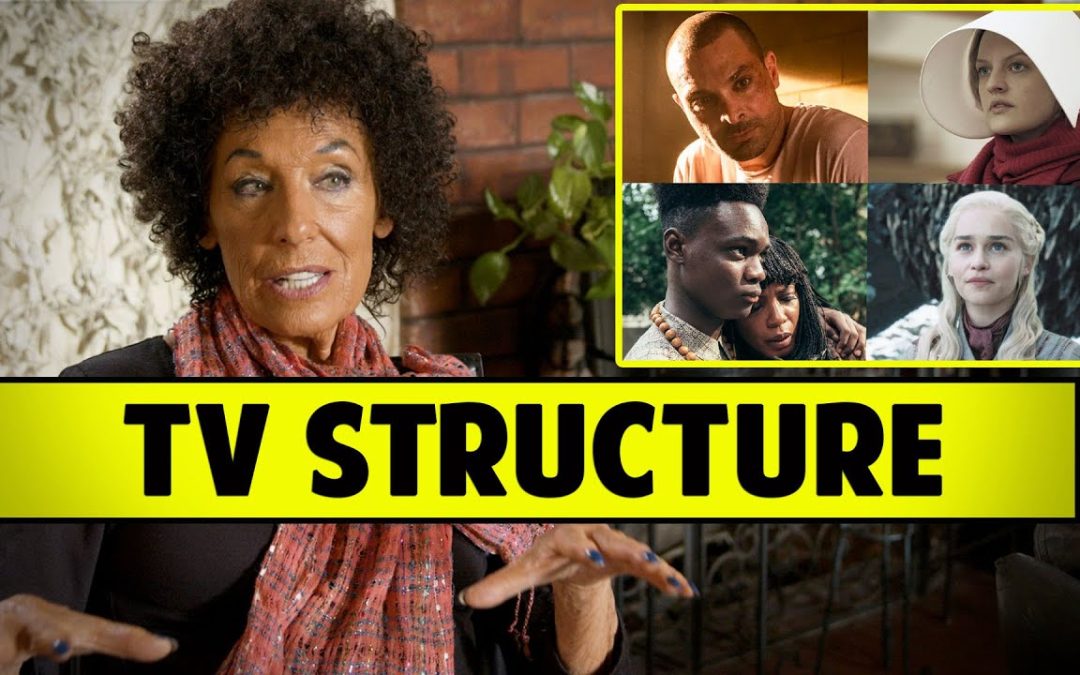
Mastering Writing for Television is an essential skill for aspiring screenwriters and seasoned professionals alike. In an era where streaming platforms dominate the entertainment landscape, the demand for compelling narratives and dynamic characters has never been higher. This article delves into the art of crafting engaging scripts that captivate audiences, exploring key techniques, industry insights, and the evolving trends in television storytelling. Whether you’re looking to refine your craft or break into the industry, understanding the nuances of writing for the screen can set you on the path to success.
What are key skills for television writing success?
Key skills for television writing success include strong storytelling, character development, dialogue crafting, adaptability, collaboration, and understanding audience engagement.
What are the key elements to consider when mastering writing for television?
Mastering writing for television requires a deep understanding of storytelling structure. At the core of every successful script lies a compelling narrative arc, characterized by a clear beginning, middle, and end. Writers must skillfully balance character development with plot progression, ensuring that each episode contributes meaningfully to the overarching story. Additionally, understanding the pacing and rhythm of dialogue is essential, as it can significantly impact viewer engagement and emotional response.
Characterization is another determinante element in television writing. Viewers form connections with well-developed characters, which often drive the show’s popularity. Writers should focus on creating multi-dimensional characters who exhibit growth and complexity throughout the series. It is vital to establish distinct voices for each character, making their dialogue authentic and relatable. Furthermore, the dynamics between characters can create tension and intrigue, keeping audiences invested in their journeys.
Finally, writers must be attuned to the unique demands of the television medium, including episode length, commercial breaks, and audience expectations. Crafting a strong hook at the beginning of each episode is key to capturing viewer interest, while maintaining a satisfying narrative resolution is essential for retaining that interest over multiple episodes. Understanding the target audience and adhering to genre conventions can also enhance a show’s appeal. Ultimately, a successful television writer blends creative storytelling with an awareness of the format’s nuances, resulting in captivating and memorable content.
How does writing for television differ from other forms of writing, such as film or novels?
Writing for television presents a unique set of challenges and opportunities that distinguish it from film and novel writing. One of the most significant differences is the episodic structure inherent to television, requiring writers to craft engaging story arcs that can sustain viewer interest over multiple episodes or seasons. This necessitates a careful balance between character development and plot progression, as writers must continually introduce new conflicts and resolutions while keeping the audience invested in the overarching narrative.
Another key distinction lies in the collaborative nature of television writing. Unlike novels, which are typically the sole vision of an author, television scripts are often developed within a writers’ room, where multiple voices contribute to the storytelling process. This collaboration fosters a dynamic exchange of ideas, allowing for diverse perspectives that can enhance character depth and thematic richness. Additionally, television writers must be attuned to network mandates and audience feedback, which can shape the direction of a series in real-time.
Furthermore, the pacing and style of writing for television differ markedly from that of films or novels. Television often demands a more concise and punchy dialogue to maintain viewer engagement within shorter timeframes, with each episode typically lasting around 30 to 60 minutes. This precision in language ensures that every line serves a purpose, whether it’s advancing the plot or deepening character relationships. In contrast, novels allow for more expansive storytelling, while films often focus on a singular narrative arc within a limited duration. Ultimately, television writing thrives on adaptability, collaboration, and the ability to captivate audiences week after week.
Unlock Your Creative Potential
Creativity is a powerful force that resides within each of us, waiting to be unleashed. It is not merely the domain of artists and writers; rather, it is a skill that can be cultivated and harnessed by anyone. By embracing curiosity and allowing ourselves to explore new ideas without fear of judgment, we can break free from the constraints of conventional thinking. This journey begins with a commitment to nurturing our imagination and recognizing the value of our unique perspectives.
To unlock your creative potential, it’s essential to establish an environment that fosters innovation. Surround yourself with inspiration—be it nature, art, or engaging conversations. Setting aside dedicated time for brainstorming or daydreaming can also lead to unexpected breakthroughs. By creating a space where experimentation is encouraged, you allow your mind to wander and connect disparate thoughts, ultimately leading to novel solutions and ideas. Remember, creativity thrives in an atmosphere of playfulness and exploration.
Finally, collaboration can be a catalyst for unlocking creativity. Engaging with diverse individuals and exchanging ideas can introduce fresh viewpoints that challenge your thinking. Embrace the power of teamwork, as it often leads to collective innovations that surpass individual efforts. As you collaborate, remain open to constructive feedback and be willing to adapt, as this flexibility can further enhance your creative endeavors. By taking these steps, you will not only unlock your own creative potential but also inspire others to do the same.
Crafting Compelling Characters and Plots
In the world of storytelling, the heart of every engaging narrative lies in its characters. Crafting compelling characters requires a delicate balance of depth and relatability. By giving them unique motivations, flaws, and desires, writers can create individuals who resonate with readers on an emotional level. When characters evolve and face challenges, they draw readers into their journeys, making it impossible to look away. Authenticity in their struggles and triumphs not only enriches the character but also enhances the overall narrative.
Equally important is the art of weaving plots that complement these dynamic characters. A well-structured plot propels the story forward, filled with twists and turns that keep readers guessing. By intertwining character development with a captivating storyline, writers can build tension and intrigue, leading to a satisfying climax. The synergy between compelling characters and engaging plots creates a rich tapestry of storytelling that captivates audiences, encouraging them to reflect on the themes and messages woven throughout the narrative.
Secrets from Industry Professionals
In the fast-paced world of business, staying ahead requires not just hard work but also strategic insights. Industry professionals emphasize the importance of networking and building relationships that can open doors to new opportunities. By attending industry conferences and engaging in online forums, you can connect with like-minded individuals and gain valuable knowledge that might not be accessible through traditional channels. These interactions often lead to collaborations that can propel your career forward.
Another vital aspect highlighted by experts is the significance of continuous learning. The landscape of various industries is constantly evolving, and keeping your skills up-to-date is determinante for success. Professionals recommend setting aside time for personal development, whether through online courses, workshops, or reading industry-related publications. This commitment to growth not only enhances your expertise but also demonstrates your dedication to your field, making you a more attractive candidate for potential employers or clients.
Lastly, successful professionals stress the power of adaptability. In a world where change is the only constant, being open to new ideas and approaches can set you apart from the competition. Embracing innovation and being willing to pivot when necessary allows you to navigate challenges effectively and seize emerging opportunities. By cultivating a mindset of flexibility, you can transform obstacles into stepping stones, ultimately leading to greater success in your career.
From Concept to Screen: Your Guide
Transforming a creative concept into a captivating screen production is an exhilarating journey that begins with a spark of inspiration and ends with a polished final cut. It involves meticulous planning, from crafting a compelling script and assembling a talented cast and crew to navigating the complexities of filming and post-production. Each phase demands attention to detail and collaboration, ensuring that every element aligns with the vision. By embracing the process with passion and purpose, creators can breathe life into their ideas, engaging audiences with stories that resonate and entertain. This guide will illuminate the essential steps, empowering you to master the art of bringing your unique narrative to the screen.
Elevate Your Scriptwriting Skills Today
Unlock your potential as a scriptwriter by immersing yourself in the art of storytelling. Whether you’re crafting compelling dialogues or building intricate plots, every word counts in creating a captivating narrative. Delve into the nuances of character development and learn how to structure your scripts for maximum impact. With practice and dedication, you can transform your ideas into powerful visual stories that resonate with audiences. Embrace this journey of creativity and watch your scriptwriting skills soar to new heights!
Mastering writing for television is not just about crafting compelling scripts; it’s about understanding the unique rhythms of the medium and connecting with diverse audiences. By honing your skills in character development, dialogue, and pacing, you can create stories that resonate and captivate viewers. Embrace the art of storytelling in this dynamic landscape, and your voice may just become the next one that echoes through screens worldwide.
