
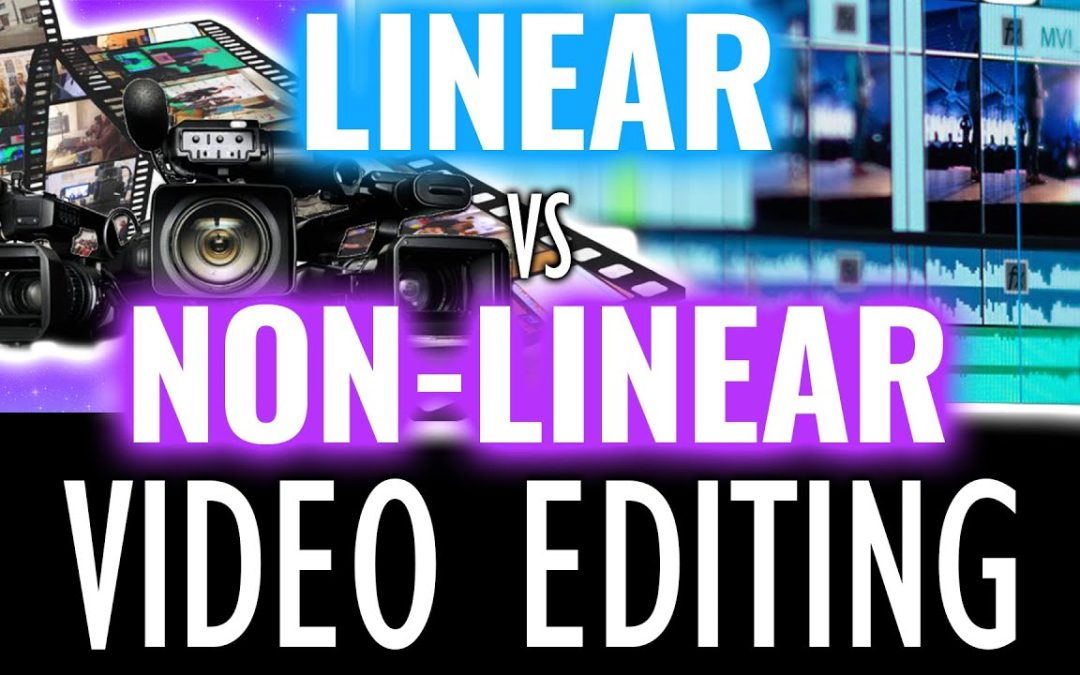
In the ever-evolving world of digital media, understanding the intricacies of nonlinear editing (NLE) is essential for content creators and filmmakers alike. Revealing Nonlinear Editing Explained delves into the transformative power of NLE, showcasing how it revolutionizes the editing process by allowing users to access any frame of a video clip at any time, without the constraints of traditional linear editing. This article uncovers the key features, benefits, and creative possibilities that nonlinear editing offers, empowering storytellers to craft compelling narratives with unparalleled flexibility and precision.
What is nonlinear editing and how does it work?
Nonlinear editing is a digital video editing process allowing users to access any part of the footage at any time, enabling flexible and efficient editing.
What is nonlinear editing and how does it differ from traditional editing methods?
Nonlinear editing (NLE) is a digital approach to video and audio editing that allows editors to access any frame of a video clip in a random order, rather than in a sequential manner. This flexibility enables creators to manipulate various elements of their project without altering the original files, making it easier to experiment with different cuts, effects, and sequences. NLE software often includes a wide array of tools and features, such as real-time playback, multi-track editing, and the ability to work with high-resolution formats, which significantly enhances the editing process.
In contrast, traditional editing methods, often referred to as linear editing, require editors to work sequentially from start to finish. This process typically involves physically cutting and splicing film or video tape, which can be time-consuming and less forgiving when it comes to making changes. Once a scene is edited into the sequence, revisiting earlier portions can become cumbersome, as it may require reworking the entire project to accommodate new edits or ideas.
The primary difference between nonlinear and traditional editing lies in the level of creative freedom and efficiency offered by NLE systems. With nonlinear editing, filmmakers and content creators can easily revisit and modify any part of their work, facilitating a more dynamic and iterative approach to storytelling. This innovation not only streamlines the editing workflow but also empowers artists to explore their vision more fully, ultimately leading to richer and more polished final products.
What software tools are commonly used for nonlinear editing?
Nonlinear editing (NLE) has revolutionized the way video content is created and produced, providing editors with greater flexibility and creative control. Popular software tools in this realm include Adobe Premiere Pro, a versatile application favored by both professionals and amateurs for its user-friendly interface and robust feature set. It seamlessly integrates with other Adobe products, enhancing workflows and allowing for advanced video editing, color correction, and audio mixing capabilities.
Another leading tool is Final Cut Pro, known for its powerful performance on macOS systems. This software is especially popular among filmmakers and video content creators due to its magnetic timeline and intuitive controls, enabling users to edit complex projects with ease. With features like 360-degree video editing and advanced color grading tools, Final Cut Pro is a go-to choice for those looking to produce high-quality visual content quickly and efficiently.
DaVinci Resolve stands out as a comprehensive solution that combines video editing, color correction, and audio post-production in a single platform. Its free version offers a robust set of features, making it accessible to newcomers, while the paid Studio version caters to industry professionals with advanced tools. The software’s focus on color grading and visual effects sets it apart, making it an essential tool for those aiming to achieve cinematic quality in their projects. Together, these software options illustrate the diversity and innovation present in the field of nonlinear editing.
Can nonlinear editing be used for both video and audio projects?
Nonlinear editing (NLE) is a versatile and powerful tool that can be effectively utilized for both video and audio projects. This editing approach allows creators to access any part of their media files at any time, which fosters creativity and efficiency in the editing process. Whether you’re assembling a dynamic video montage or crafting a polished audio track, NLE systems provide the flexibility to rearrange, trim, and enhance content with ease, making them suitable for a wide range of projects.
In the realm of video, nonlinear editing software enables seamless integration of visuals, soundtracks, and effects, helping storytellers bring their narratives to life. Similarly, in audio projects, NLE facilitates the layering of tracks, manipulation of sound elements, and precise timing adjustments, ensuring a high-quality final product. This adaptability across different media types makes nonlinear editing an indispensable resource for creators seeking to produce engaging and professional content in both video and audio formats.
What are the advantages of using nonlinear editing techniques for filmmakers and content creators?
Nonlinear editing techniques revolutionize the filmmaking and content creation process by offering unprecedented flexibility and efficiency. Filmmakers can easily manipulate, rearrange, and refine their footage without the constraints of traditional linear editing systems, allowing for more creative exploration. This approach facilitates quick access to any part of the project, enabling real-time collaboration among teams and fostering a more dynamic workflow. Additionally, filmmakers can experiment with various cuts and effects without the fear of losing original material, ultimately enhancing storytelling while saving time and resources. As a result, nonlinear editing empowers creators to push the boundaries of their artistic vision and produce more compelling content.
Mastering the Art of Digital Storytelling
In today’s fast-paced digital landscape, mastering the art of storytelling is essential for capturing attention and fostering engagement. By weaving relatable narratives into your content, you can transform mundane messages into compelling experiences that resonate with your audience. Utilizing rich visuals, authentic emotions, and a clear structure allows you to create a vivid tapestry that not only informs but also inspires. Embracing the power of digital platforms, you can tailor your stories to diverse audiences, ensuring that each narrative is both impactful and memorable. Ultimately, effective digital storytelling bridges the gap between brands and consumers, forging deeper connections that stand the test of time.
Navigating the Future of Video Production
As technology rapidly evolves, the landscape of video production transforms, opening up new avenues for creativity and efficiency. Embracing cutting-edge tools like AI-driven editing software and high-resolution cameras, creators can produce stunning visuals with unprecedented ease. The rise of remote collaboration platforms also empowers teams to work seamlessly across distances, fostering innovative ideas and diverse perspectives. By staying attuned to emerging trends and harnessing these advancements, video producers can navigate the future with confidence, delivering compelling stories that captivate audiences worldwide.
Unlocking Creative Potential through Editing
Editing is an essential step in the creative process that transforms initial ideas into polished masterpieces. By revisiting and refining our work, we gain the opportunity to uncover hidden insights and enhance clarity. This iterative approach allows creators to experiment with different styles and structures, ultimately leading to more impactful storytelling. Each edit brings us closer to our vision, inviting us to embrace the beauty of imperfection and the power of revision.
Moreover, editing fosters a deeper connection to our audience. By carefully considering word choice, pacing, and flow, we can craft narratives that resonate on multiple levels. This attention to detail not only elevates the quality of our work but also encourages us to engage with feedback, nurturing a collaborative spirit that fuels innovation. In unlocking our creative potential through editing, we not only refine our art but also invite others to share in our journey, creating a richer experience for all.
Streamlining Your Workflow for Maximum Impact
In today’s fast-paced work environment, optimizing your workflow is essential for achieving maximum impact. By prioritizing tasks, automating repetitive processes, and utilizing the right tools, you can transform your daily routine into a powerhouse of productivity. Embracing effective communication and collaboration strategies not only enhances team dynamics but also accelerates project completion. As you refine your approach, you’ll find that a streamlined workflow not only saves time but also fosters creativity and innovation, allowing you to focus on what truly matters—delivering exceptional results.
Revealing Nonlinear Editing Explained not only demystifies the complexities of modern video production but also empowers creators to unleash their full potential. By embracing the flexibility and efficiency of nonlinear editing, filmmakers can craft compelling narratives with greater ease and creativity. As technology continues to evolve, mastering these techniques will undoubtedly enhance storytelling in the digital age, allowing artists to push boundaries and captivate audiences like never before.
