
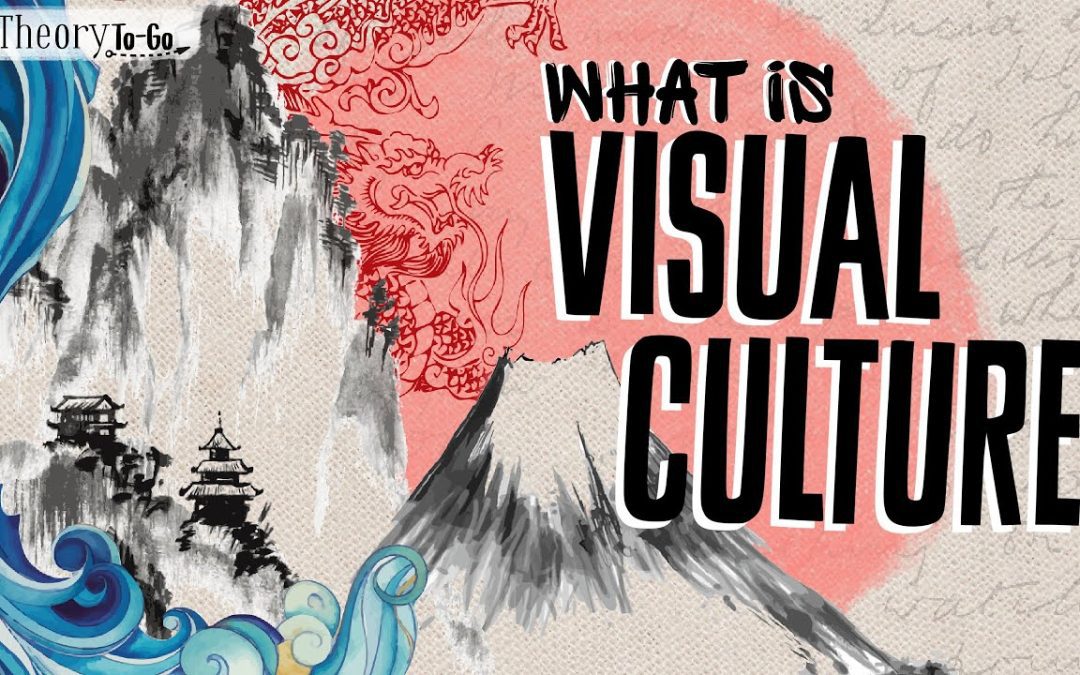
In an era where images dominate our daily interactions, understanding the evolving landscape of visual culture becomes essential. Revealing Trends in Visual Culture delves into the dynamic shifts shaping how we create, consume, and interpret visual content. From the rise of digital artistry to the influence of social media on aesthetics, this exploration uncovers the underlying forces driving change and invites readers to reflect on the implications for society and individual expression. Join us as we navigate this captivating realm and uncover the trends that are redefining our visual experience.
What are the latest trends in visual culture?
Latest trends in visual culture include digital art, immersive experiences, sustainability in design, and the rise of social media influencers shaping aesthetics.
What are the key factors driving the evolution of visual culture in today’s society?
In today’s rapidly changing society, the evolution of visual culture is significantly influenced by technological advancements. The proliferation of smartphones and social media platforms has transformed how we create and share visual content. This accessibility allows individuals to engage with visual culture more actively than ever before, democratizing the production of art and imagery. As a result, diverse voices and perspectives are emerging, challenging traditional narratives and expanding the boundaries of visual expression.
Another fundamental factor is the globalization of culture, which facilitates the cross-pollination of ideas and aesthetics across different regions. The internet enables instantaneous access to a wide array of cultural influences, allowing artists and creators to draw inspiration from diverse sources. This fusion of styles and traditions enriches visual culture, fostering a vibrant exchange of ideas that reflects the interconnectedness of our world. As cultural boundaries blur, visual narratives become more inclusive and representative of a broader spectrum of human experiences.
Lastly, social and political movements play a pivotal role in shaping visual culture today. As issues such as climate change, social justice, and equality gain prominence, visuals have become powerful tools for advocacy and awareness. Artists and designers are increasingly using their work to comment on societal challenges, provoking thought and inspiring action. This trend not only reflects current realities but also emphasizes the role of visual culture as a catalyst for change, making it an essential component of contemporary discourse.
How do digital media platforms influence trends in visual culture?
Digital media platforms have become pivotal in shaping trends in visual culture, acting as both a canvas and a catalyst for creativity. With the ability to share images and videos instantaneously, these platforms democratize art and design, allowing diverse voices to emerge. As users engage with content through likes, shares, and comments, they create a feedback loop that amplifies popular aesthetics and ideas. The viral nature of social media means that trends can rapidly evolve, influenced by everything from memes to influencer collaborations, often leading to a blending of high and low culture that redefines artistic boundaries.
Moreover, the algorithms governing these platforms prioritize engagement, often promoting visually striking and innovative content, which can skew the visual landscape towards certain styles or themes. This curated exposure shapes public perception and consumer preferences, making it essential for artists and brands to adapt quickly to stay relevant. As a result, visual culture is increasingly characterized by its fluidity and responsiveness, reflecting not just individual creativity but also the collective consciousness shaped by digital interactions.
In what ways can visual culture reflect and shape social and political movements?
Visual culture serves as a powerful mirror and catalyst for social and political movements, capturing the essence of collective sentiments and aspirations. Through art, photography, and digital media, it articulates the struggles and triumphs of marginalized communities, giving visibility to issues often overlooked by mainstream narratives. Iconic imagery, from protest posters to viral social media campaigns, not only galvanizes support but also shapes public perception, influencing discourse and policy. As such, visual culture not only documents the zeitgeist but actively participates in the dialogue of change, fostering empathy and mobilizing action across diverse audiences.
Discover the Shifts Shaping Our Visual Landscape
In an era defined by rapid technological advancements, the visual landscape is evolving at an unprecedented pace. The integration of augmented reality (AR) and virtual reality (VR) into everyday experiences is redefining how we interact with our surroundings. These immersive technologies are not only transforming gaming and entertainment but are also revolutionizing industries such as education and healthcare, allowing us to visualize complex concepts and scenarios in ways previously thought impossible.
Simultaneously, the rise of social media platforms has shifted the way we consume and share visual content. With the emphasis on striking imagery and short-form videos, creators are harnessing the power of visuals to engage audiences like never before. This shift has democratized content creation, enabling anyone with a smartphone to become a storyteller, while also challenging traditional media to adapt or be left behind. As visual literacy becomes increasingly important, individuals and brands must navigate this dynamic landscape to capture attention and convey their messages effectively.
Moreover, the push for authenticity in visual storytelling is reshaping aesthetic choices across various mediums. Audiences are gravitating towards raw, unfiltered content that resonates with their own experiences, prompting creators to prioritize genuine representation over polished perfection. This trend highlights a collective desire for connection and relatability, encouraging a more inclusive approach to visual narratives. As we continue to witness these shifts, the future of our visual landscape promises to be as diverse and dynamic as the world we inhabit.
Exploring the Evolution of Aesthetic Norms
Aesthetic norms have undergone a remarkable transformation throughout history, reflecting shifts in cultural values, technological advancements, and societal changes. From the opulence of Baroque art to the simplicity of Minimalism, each era has challenged and redefined beauty, often in response to the prevailing social landscape. Today, we see a blend of styles that democratizes aesthetics, allowing diverse voices and perspectives to emerge. This evolution not only celebrates individual expression but also invites us to reconsider what we deem beautiful, urging a more inclusive definition that resonates with our multifaceted identities. As we navigate this dynamic terrain, the dialogue around aesthetics continues to shape our experiences and influence the world around us.
Insights into Contemporary Visual Narratives
In an age where images often speak louder than words, contemporary visual narratives have emerged as powerful tools for storytelling and communication. Artists and creators harness a diverse range of mediums—from digital art and photography to immersive installations—to convey complex themes and emotions that resonate across cultural boundaries. These narratives not only challenge traditional storytelling conventions but also invite audiences to engage actively, fostering a deeper connection with the content. As societal issues evolve, so too do the visual languages we use, reflecting our collective experiences and aspirations while pushing the boundaries of creativity. Through this dynamic interplay of art and technology, contemporary visual narratives continue to transform the way we perceive and interact with the world around us.
As we navigate the ever-evolving landscape of visual culture, it becomes clear that the trends shaping our perceptions and experiences are both reflective and transformative. The interplay of technology, creativity, and societal values continues to redefine how we communicate and connect. By staying attuned to these revealing trends, we not only gain insight into our current cultural climate but also empower ourselves to engage more thoughtfully with the visual narratives that influence our lives. Embracing this dynamic nature of visual culture invites us to explore new perspectives and foster a deeper understanding of the world around us.
