
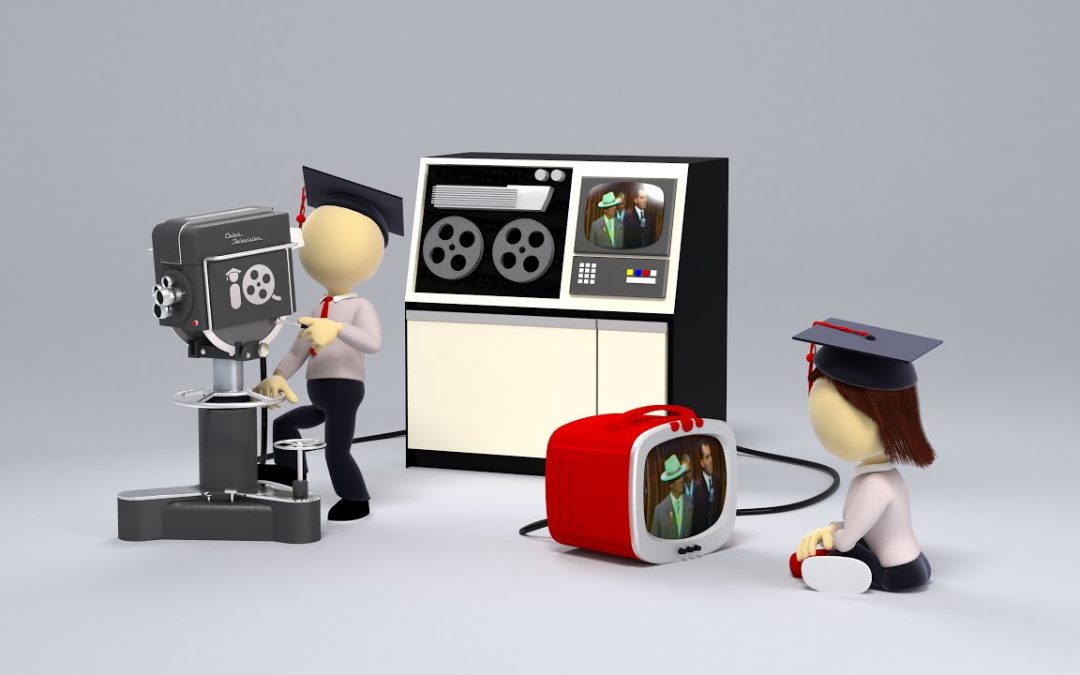
In an era where digital storytelling reigns supreme, mastering the nuances of nonlinear editing (NLE) has become essential for aspiring filmmakers and content creators alike. The Art of Nonlinear Editing Explained delves into the transformative power of NLE, showcasing how it revolutionizes the editing process by allowing creators to manipulate video and audio with unprecedented flexibility. This article will unravel the intricacies of NLE, highlighting its advantages, key techniques, and the tools that empower storytellers to craft compelling narratives with ease and creativity. Join us as we explore the dynamic world of nonlinear editing and its impact on modern visual storytelling.
What are the benefits of nonlinear editing?
Nonlinear editing offers flexibility, quick access to any footage, easy collaboration, and efficient revisions, enhancing creativity and productivity in the editing process.
What is nonlinear editing and how does it differ from traditional editing methods?
Nonlinear editing (NLE) is a digital video editing process that allows editors to access any frame of a video file without having to go through the footage in a linear sequence. This method offers flexibility and efficiency, enabling editors to rearrange clips, add effects, and make adjustments on the fly. With the ability to work with multiple timelines and layers, NLE empowers creators to experiment with their projects in a way that traditional editing cannot.
In contrast, traditional editing methods often follow a linear path, requiring editors to work from beginning to end. This approach limits the ability to manipulate footage out of sequence, making it more time-consuming and less adaptable to changes. Editors using traditional methods typically have to physically cut and splice film or tape, which can lead to a more rigid and less creative workflow. The constraints of linear editing can stifle innovation and make it challenging to explore different storytelling techniques.
Overall, nonlinear editing revolutionizes the editing process by providing a versatile platform for creativity. The ability to quickly access and modify any part of the project allows for enhanced storytelling and collaboration among team members. As the industry continues to evolve, NLE stands out as a determinante tool for filmmakers and content creators seeking to push the boundaries of their craft.
What software tools are commonly used for nonlinear editing in video production?
In the realm of video production, nonlinear editing (NLE) has revolutionized the way filmmakers and content creators manipulate their footage. Popular software tools such as Adobe Premiere Pro and Final Cut Pro X offer intuitive interfaces and powerful features that enable users to edit videos nonlinearly, allowing for greater flexibility and creativity. These platforms support a wide range of file formats and provide advanced capabilities like multi-camera editing, color grading, and audio mixing, making them essential for professionals and enthusiasts alike.
Moreover, other noteworthy NLE tools like DaVinci Resolve and Avid Media Composer cater to different aspects of video editing. DaVinci Resolve is renowned for its color correction capabilities and is increasingly favored for its free version, while Avid Media Composer remains a staple in the film and television industry, particularly for its collaborative features and robust media management. By leveraging these software tools, video editors can seamlessly craft compelling narratives, ensuring that their creative visions come to life with precision and polish.
Unlock Your Creativity: Essential Techniques for Nonlinear Editing
Nonlinear editing offers a powerful canvas for storytellers, enabling them to weave narratives with flexibility and flair. By embracing techniques such as dynamic layering, real-time feedback, and intuitive organization, editors can enhance their creative process and produce compelling visual stories. Experimenting with various editing tools not only streamlines workflows but also inspires innovative approaches, allowing one to break free from traditional linear constraints and explore unique narrative paths.
To truly unlock creativity in nonlinear editing, collaboration and inspiration are key. Engaging with fellow creators, sharing ideas, and seeking feedback can spark fresh perspectives that elevate your work. Additionally, drawing from diverse sources—be it films, art, or even nature—can fuel your imagination and lead to unexpected connections. By nurturing an open mindset and leveraging the potential of nonlinear editing, you can transform your projects into captivating experiences that resonate with audiences.
Transform Your Footage: Step-by-Step Approaches to Editing Mastery
Unlocking the full potential of your footage begins with a solid understanding of editing fundamentals. Start by organizing your clips into a cohesive storyline, ensuring each piece serves a purpose in the overall narrative. Utilize software tools to refine your cuts, adjusting pacing and transitions to enhance viewer engagement. Pay attention to audio quality, as clear sound can elevate your project from amateur to professional. By mastering these initial steps, you set the stage for a polished final product.
As you gain confidence, explore advanced techniques such as color grading and visual effects to add depth and style to your work. Experiment with different editing styles to find your unique voice, and don’t hesitate to seek feedback from peers. With each project, you’ll refine your skills and develop a keen eye for detail, making your editing process both enjoyable and impactful. Embrace the journey of creativity and technical growth, and watch your footage transform into captivating stories that resonate with your audience.
From Novice to Pro: Elevate Your Editing Skills with Expert Insights
Transforming your editing skills from novice to pro is an exhilarating journey that opens doors to endless creative possibilities. By embracing expert insights and practical techniques, you will learn to refine your eye for detail, enhance narrative flow, and elevate the overall quality of your work. Engaging with seasoned professionals not only provides invaluable feedback but also inspires confidence in your unique voice. As you practice and apply these strategies, you’ll find that editing becomes an art form, allowing you to craft compelling stories that resonate deeply with your audience. Make the leap today and watch your editing prowess soar.
Mastering nonlinear editing opens up a world of creative possibilities, allowing filmmakers and content creators to manipulate time and narrative structure with unprecedented flexibility. By embracing this art form, you can craft compelling stories that captivate audiences and elevate your projects to new heights. As technology continues to evolve, the principles of nonlinear editing will remain a vital skill, empowering you to innovate and express your vision with clarity and impact.
