
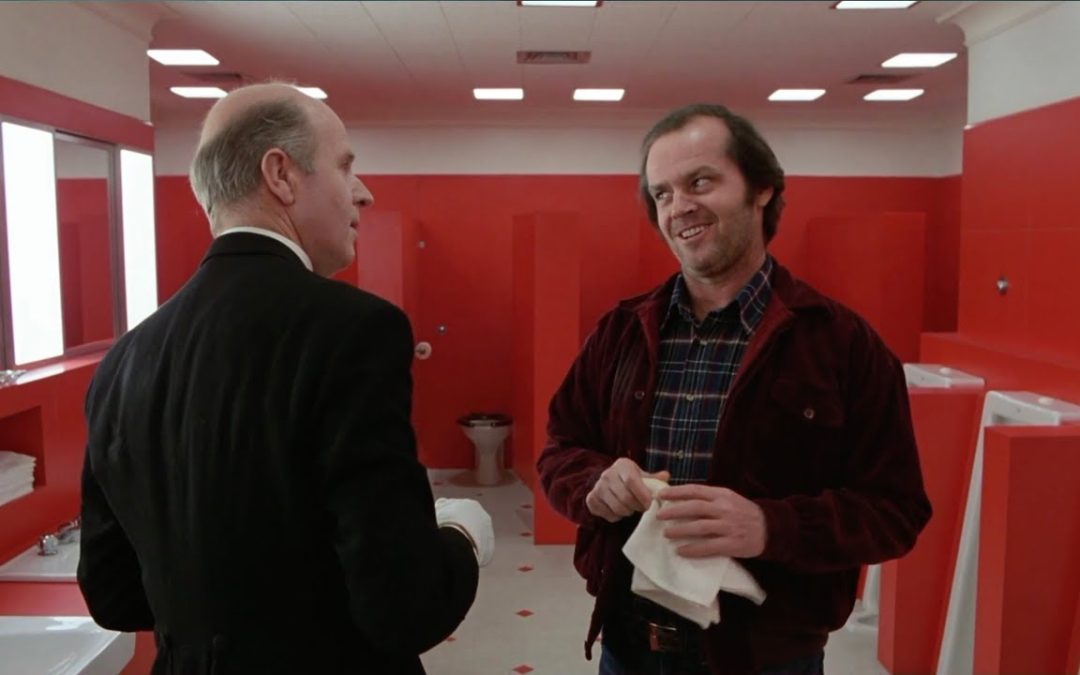
In an age where cinematic treasures often fade into obscurity, The Art of Reviewing Classic Films invites enthusiasts and newcomers alike to rediscover the magic of timeless cinema. This exploration delves into the nuances of critiquing films that have shaped the landscape of storytelling, offering insights into their cultural significance, artistic merit, and enduring impact. By honing the craft of review, we not only celebrate these masterpieces but also engage in a dialogue that connects generations of viewers, ensuring that the brilliance of classic films continues to inspire and resonate.
What makes a classic film worth reviewing?
A classic film is worth reviewing for its cultural impact, storytelling, cinematography, and how it reflects or shapes societal values over time.
What are the key elements to consider when reviewing classic films?
When reviewing classic films, it is essential to consider elements such as historical context, cinematic techniques, and thematic depth. Understanding the era in which a film was made can provide insight into its cultural significance and societal impact. Analyzing the cinematography, editing, and sound design reveals how these aspects contribute to storytelling and audience engagement. Additionally, exploring the film’s themes, character development, and narrative structure can uncover timeless messages and artistic innovations that continue to resonate today. By examining these key elements, one gains a richer appreciation of the film’s legacy and its place in cinematic history.
How does the historical context of a classic film influence its interpretation and critique?
The historical context of a classic film plays a pivotal role in shaping its interpretation and critique, as it reflects the societal norms, values, and challenges of its time. For instance, films produced during periods of social upheaval often tackle themes of conflict, identity, and resistance, prompting viewers to engage with the underlying messages in light of contemporary issues. Understanding the era in which a film was made allows audiences to appreciate the nuances in character motivations and narrative choices, as filmmakers often respond to the cultural climate and political landscape surrounding them.
Moreover, the lens through which critics assess these films is inherently influenced by historical context. As societal attitudes evolve, the interpretations of classic films may shift, leading to renewed discussions about their relevance and impact. A film that was once celebrated for its groundbreaking storytelling may later be critiqued for its outdated portrayals or lack of representation. This dynamic interplay between history and film not only enriches the viewing experience but also fosters ongoing dialogue about the legacy and significance of cinematic art in reflecting and shaping human experience.
What are some common pitfalls to avoid when writing a review of a classic film?
When writing a review of a classic film, one common pitfall to avoid is succumbing to nostalgia. While it’s natural to have fond memories associated with a beloved movie, it’s essential to approach the film with a critical eye. Focusing solely on personal feelings can cloud your judgment, leading to an unbalanced review that overlooks the film’s technical merits and storytelling elements. Ensuring that your analysis is grounded in objective criteria, such as direction, cinematography, and character development, will provide a more well-rounded perspective that resonates with both new viewers and longtime fans.
Another mistake to watch for is neglecting the historical context in which the film was made. Classic films often reflect the societal values, cultural norms, and cinematic techniques of their time, which can significantly influence their themes and relevance. Failing to acknowledge these aspects can result in a superficial understanding of the film. By situating the movie within its historical framework, you can offer deeper insights that enhance your review and help readers appreciate the film’s lasting impact on cinema and culture.
Unlocking the Timeless Art of Film Analysis
Film analysis is a captivating journey that allows viewers to delve deeper into the layers of storytelling, cinematography, and thematic expression. By examining the choices made by filmmakers—from framing and lighting to dialogue and sound—audiences can uncover the intricate techniques that breathe life into a film. This exploration not only enhances appreciation for the art form but also fosters critical thinking, enabling viewers to engage with narratives on a more profound level.
As we unlock the timeless art of film analysis, we gain valuable insights into cultural contexts and emotional resonances that shape our viewing experience. Engaging with films analytically encourages us to question our interpretations and challenge societal norms presented on screen. In doing so, we cultivate a richer understanding of both the films themselves and the world around us, allowing us to connect with diverse perspectives and experiences that resonate through the ages.
A Deep Dive into Cinematic Masterpieces
Cinematic masterpieces transcend time and genre, weaving intricate narratives that resonate with audiences across generations. At the heart of these films lies a profound understanding of storytelling, where each frame is meticulously crafted to evoke emotion and provoke thought. Directors, writers, and actors collaborate to create immersive worlds that invite viewers to explore complex themes, often reflecting the human experience in its myriad forms.
The visual aesthetics of these films play a pivotal role in their impact, utilizing cinematography and production design to enhance the narrative. Iconic scenes are often defined by their striking imagery, where light, color, and composition work harmoniously to draw viewers deeper into the story. Masterful sound design and score further amplify this connection, transforming moments of silence into powerful expressions of tension, joy, or despair. Together, these elements contribute to a visceral experience that lingers long after the credits roll.
Ultimately, the power of cinematic masterpieces lies in their ability to spark conversation and inspire change. They challenge societal norms, provoke critical thinking, and encourage empathy, offering audiences not just entertainment but a mirror to reflect on their own lives. As we explore these films, we uncover layers of meaning that invite reinterpretation, ensuring that their relevance endures as they continue to shape the landscape of modern cinema.
Exploring the Legacy of Iconic Films
The world of cinema is a rich tapestry woven from the threads of iconic films that have shaped cultural narratives and influenced generations. From timeless classics to groundbreaking innovations, these movies resonate with audiences, leaving an indelible mark on society. Each film serves as a mirror reflecting the values, struggles, and aspirations of its time, inviting viewers to explore complex themes through a captivating lens.
As technology evolves, so too does the storytelling within these iconic films. Directors and writers push the boundaries of creativity, introducing new techniques that enhance the viewing experience. The legacy of these cinematic masterpieces lies not only in their artistic merit but also in their ability to challenge societal norms and provoke thought. They inspire filmmakers to take risks, encouraging a continuous evolution of the medium that keeps audiences engaged and eager for more.
Moreover, the cultural impact of these films extends beyond the screen, fostering community and dialogue among fans. Iconic quotes, memorable characters, and unforgettable soundtracks become part of the collective consciousness, sparking conversations that transcend generations. As we celebrate the legacy of these films, we recognize their power to connect us, reminding us of our shared humanity and the stories that bind us together.
The Essential Guide to Movie Critique
When it comes to movie critique, understanding the fundamental elements of storytelling is key to providing a well-rounded analysis. A successful film captivates its audience through a combination of compelling narratives, well-developed characters, and striking visuals. By examining these components, critics can articulate what resonates and what falls short, allowing viewers to appreciate the intricacies of cinematic art. Engaging with a film on a deeper level enhances the critique, transforming personal opinions into informed insights that can guide others in their viewing choices.
Beyond technical elements, a robust critique also considers the cultural and emotional impact of a film. How does it reflect societal issues, challenge norms, or evoke feelings? A thoughtful analysis not only evaluates the film’s entertainment value but also its relevance and significance in the broader context of contemporary cinema. By balancing objective assessment with subjective experience, critics can enrich the conversation around film, encouraging audiences to think critically about what they watch and how it shapes their perspectives.
Rediscovering Classic Films Through Insightful Reviews
In an era dominated by streaming and blockbuster franchises, there is a growing appreciation for classic films that shaped the cinematic landscape. Insightful reviews breathe new life into these timeless treasures, inviting audiences to explore the artistry, storytelling, and cultural significance that defined their eras. By delving into the nuances of cinematography, character development, and directorial vision, these critiques not only highlight the films’ enduring relevance but also inspire a deeper connection with the past. As viewers rediscover these masterpieces, they embark on a journey that transcends generations, enriching their understanding of film history and rekindling the magic of cinema.
Mastering the art of reviewing classic films invites us to not only appreciate the craftsmanship of cinema but also to engage in a deeper dialogue about the cultural contexts that shape these timeless stories. By examining the nuances of direction, performance, and historical significance, we enrich our understanding of film as an art form and as a mirror reflecting society’s evolution. Embracing this journey through the lens of classic cinema not only enhances our viewing experience but also fosters a greater appreciation for the enduring impact of these films on generations of audiences.
