
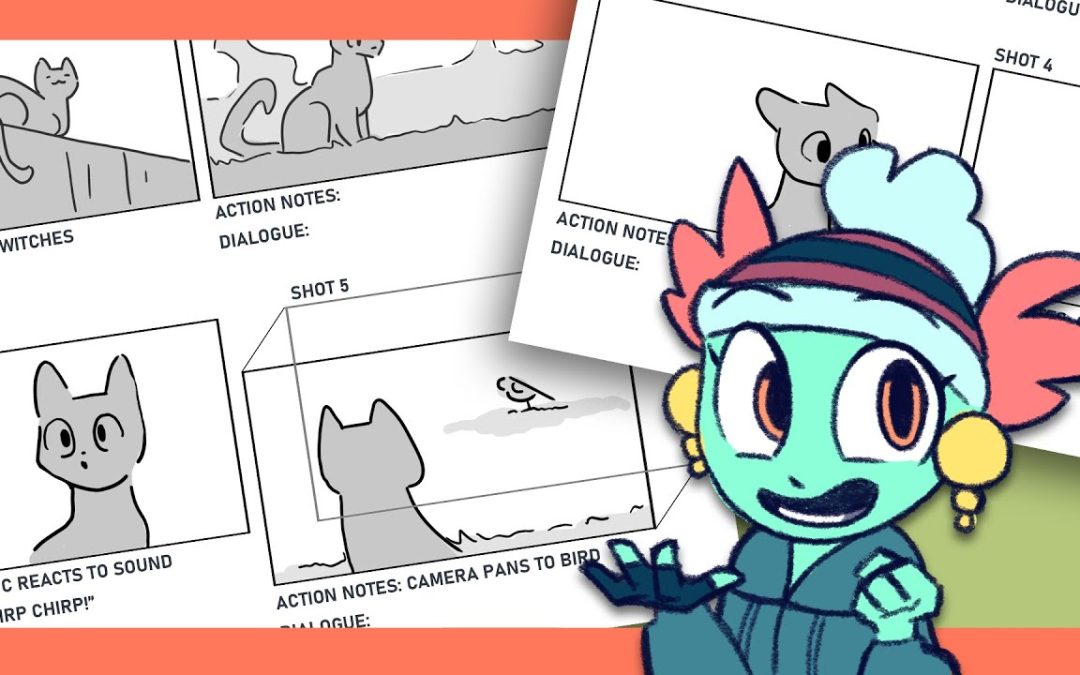
In the dynamic world of visual storytelling, mastering the art of storyboarding is essential for bringing ideas to life with precision and flair. The Art of Storyboarding Like a Pro delves into the techniques and strategies that elevate your narrative from mere concepts to captivating visual sequences. Whether you’re a filmmaker, animator, or graphic novelist, this guide will equip you with the skills to create compelling storyboards that not only outline your vision but also engage your audience. Unleash your creativity and transform your storytelling prowess as you learn to sketch out your narratives with professional finesse.
How can storyboarding enhance your creative projects?
Storyboarding clarifies your vision, organizes ideas, and visualizes sequences, making it easier to communicate concepts and refine narratives in creative projects.
What are the essential steps to create an effective storyboard for my project?
Creating an effective storyboard begins with defining your project’s core concept and objectives, as this clarity will guide the visual narrative. Next, outline the key scenes or moments that need to be depicted, breaking them down into manageable sections to ensure a logical flow. Once the structure is in place, sketch rough visuals for each scene, focusing on composition and transitions rather than perfection. Incorporate annotations to capture dialogue, sound effects, and other important details that enhance the storytelling. Finally, review and revise the storyboard to ensure it aligns with your vision, making adjustments as needed to strengthen the overall coherence and impact of the narrative.
How can I improve my storytelling skills through storyboarding techniques?
Storyboarding is a powerful technique that can significantly enhance your storytelling skills by providing a visual framework for your narrative. By breaking down your story into individual scenes, you can clearly outline the sequence of events, character interactions, and emotional beats. This visual representation allows you to identify pacing, plot holes, and areas needing development, ensuring that each part of your story serves a purpose and contributes to the overall arc. Furthermore, storyboarding encourages you to think critically about your characters’ motivations and the visual storytelling elements that can elevate your narrative.
Incorporating storyboarding into your creative process fosters experimentation and innovation. As you sketch out scenes or create digital boards, you can play with different perspectives, camera angles, and visual styles to discover the most compelling way to tell your story. This iterative process not only helps in refining your ideas but also builds confidence in your storytelling abilities. By regularly practicing storyboarding, you’ll develop a sharper instinct for what resonates with your audience, ultimately leading to more engaging and impactful stories.
What tools or software are recommended for professional-level storyboarding?
For professional-level storyboarding, a selection of specialized tools and software can significantly enhance the creative process. Programs like Storyboard Pro are industry favorites, offering a comprehensive suite of features that include drawing, animatics, and collaboration options. This software streamlines the workflow, allowing creators to visualize scenes effectively and make adjustments in real time. Additionally, Adobe Photoshop remains a strong contender, providing artists with robust drawing capabilities and the flexibility to create detailed storyboards that can be easily integrated into other Adobe applications.
Another excellent choice is Toon Boom Harmony, which not only supports storyboarding but also animation, making it ideal for those looking to create dynamic visual narratives. For a more accessible option, platforms like Boords and Canva offer user-friendly interfaces that cater to both beginners and professionals, allowing for quick storyboarding without sacrificing quality. These tools are designed to facilitate collaboration and feedback, ensuring that teams can work together seamlessly to bring their stories to life.
How do I determine the right pacing and flow in my storyboard?
Determining the right pacing and flow in your storyboard involves a careful balance between visual storytelling and narrative rhythm. Start by identifying key moments in your story that require emphasis, as these are often the points where pacing should either slow down to build tension or speed up to convey action. Use a combination of long and short scenes to create contrasts; longer scenes can allow for character development and emotional engagement, while shorter scenes can inject energy and momentum into the narrative.
In addition to scene length, consider the transitions between scenes. Smooth transitions can maintain a steady flow, while abrupt changes can create excitement or disorientation, depending on your desired effect. Pay attention to the visual elements, such as camera angles and framing, which can influence the pacing. By thoughtfully arranging your storyboard, you can guide your audience’s emotional journey, ensuring that the pacing enhances rather than detracts from the overall impact of your story.
Unleash Your Creativity Through Visual Narratives
Visual narratives have an unparalleled ability to ignite the imagination, allowing individuals to express their thoughts and emotions in vibrant, compelling ways. By harnessing the power of imagery, whether through photography, painting, or digital art, creators can weave intricate stories that resonate with audiences on a profound level. This dynamic form of storytelling invites exploration and encourages experimentation, enabling artists to break free from conventional boundaries and embrace their unique perspectives. As you embark on this journey of visual expression, remember that every image holds the potential to inspire, provoke thought, and connect us all in the shared experience of creativity.
Crafting Compelling Stories Frame by Frame
In the world of visual storytelling, every frame serves as a vital brushstroke in the canvas of narrative. Capturing emotions, building tension, and revealing character arcs are all achieved through meticulous attention to detail. Filmmakers and animators alike understand that pacing, composition, and color palette work in harmony to draw viewers into a compelling experience. By thoughtfully crafting each shot, they create a rhythm that resonates, allowing audiences to connect deeply with the story being told.
As the narrative unfolds, the power of imagery can transform ordinary moments into extraordinary tales. Each sequence, carefully curated, invites the audience to embark on a journey filled with intrigue and suspense. The interplay of sound and visuals amplifies the impact, ensuring that viewers are not just passive observers but active participants in the unfolding drama. Ultimately, it is this intricate dance of elements that elevates storytelling, making every frame a doorway to new worlds and unforgettable experiences.
Techniques for Impactful Visual Communication
In an age where attention spans are fleeting, mastering the art of visual communication is essential for making a lasting impression. Effective visuals can simplify complex ideas, evoke emotions, and drive engagement. By utilizing a mix of color theory, typography, and imagery, communicators can create a harmonious visual language that resonates with their audience. The key lies in selecting elements that align with the message and purpose, ensuring clarity and coherence throughout.
One powerful technique is the use of infographics, which distill information into digestible formats. By combining text, charts, and graphics, infographics present data in a visually appealing manner that aids comprehension and retention. This not only enhances the storytelling aspect but also allows audiences to grasp key points at a glance. Incorporating whitespace is equally important, as it reduces visual clutter and highlights crítico information, guiding viewers through the narrative smoothly.
Additionally, consistency in visual branding fosters recognition and trust. Utilizing a cohesive color palette and uniform design elements across various platforms reinforces brand identity and keeps the audience engaged. Whether in presentations, social media posts, or marketing materials, a thoughtfully crafted visual approach can significantly enhance communication effectiveness. By focusing on clarity, creativity, and consistency, communicators can ensure their messages not only reach but also resonate with their audience.
Elevate Your Projects with Expert Storyboarding Skills
In today’s fast-paced creative landscape, effective storytelling is paramount to the success of any project. Storyboarding serves as a vital tool that transforms abstract ideas into visual narratives, ensuring that every key moment is thoughtfully planned and executed. By mapping out scenes, sequences, and transitions, you can streamline the production process, minimize misunderstandings, and align your team with a shared vision.
Mastering expert storyboarding skills not only enhances communication among team members but also enriches the overall quality of your work. A well-crafted storyboard acts as a blueprint, guiding filmmakers, animators, and designers alike through the intricate details of their projects. It allows for the exploration of different perspectives and creative approaches, enabling teams to experiment with pacing, composition, and emotional impact before diving into production.
Ultimately, investing time in developing your storyboarding abilities can elevate your projects to new heights. By refining your capacity to visualize and communicate ideas clearly, you unlock the potential for more engaging and cohesive narratives. Whether you’re working on a short film, an advertising campaign, or an animation, expert storyboarding is the key to bringing your creative vision to life with precision and flair.
Mastering the art of storyboarding opens up a world of creative possibilities, allowing you to visualize your narrative with clarity and precision. By harnessing the techniques of professional storyboard artists, you can elevate your storytelling, whether in film, animation, or any visual medium. Embrace the process, experiment with styles, and watch your ideas come to life in ways you never thought possible. With practice and passion, you’ll not only enhance your projects but also ignite your imagination, turning your visions into compelling visual stories.
