
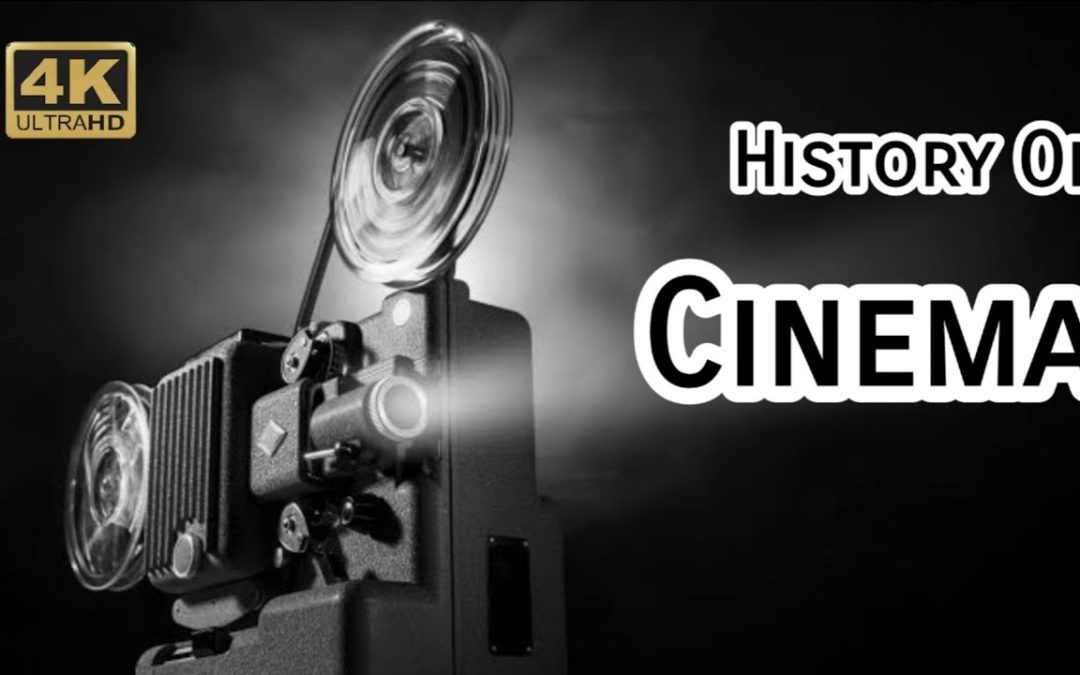
The Art of The Evolution of Cinema explores the transformative journey of filmmaking, tracing its roots from silent films to the dynamic digital landscapes of today. This fascinating narrative delves into the innovative techniques, groundbreaking technologies, and visionary storytellers who have shaped cinema into a powerful medium of expression. By examining key shifts in style and storytelling, we uncover how the art of cinema has not only reflected societal changes but also influenced cultural identities across the globe. Join us as we celebrate the rich history and future possibilities of this captivating art form.
How has cinema evolved over the decades?
Cinema has evolved from silent films to talkies, then to color and digital technology, enhancing storytelling, visual effects, and audience engagement throughout the decades.
- Historical Transformations: The evolution of cinema reflects significant technological advancements, from silent films to sound and color, shaping how stories are told and experienced.
- Cultural Impact: Cinema has been a powerful medium for cultural expression, influencing societal norms, politics, and global perspectives through diverse narratives and genres.
- Future Trends: The art of cinema continues to evolve with emerging technologies like virtual reality and artificial intelligence, offering new possibilities for storytelling and audience engagement.
What are the key milestones in the evolution of cinema as an art form?
The evolution of cinema as an art form can be traced through several key milestones that highlight its transformative journey. The late 19th century marked the birth of motion pictures with the invention of the Kinetoscope and the Lumière brothers’ first public screening in 1895. This groundbreaking moment introduced audiences to the magic of moving images, paving the way for storytelling through film. The silent film era soon followed, with iconic figures like Charlie Chaplin and Buster Keaton pushing the boundaries of visual comedy and drama, relying heavily on expressive body language and innovative techniques.
The transition to sound in the late 1920s revolutionized the film industry, culminating in the release of “The Jazz Singer” in 1927, the first feature-length talkie. This technological advancement not only enhanced storytelling but also opened new avenues for musical and dramatic expression, forever changing how audiences experienced cinema. The Golden Age of Hollywood emerged in the 1930s and 1940s, characterized by the studio system, which produced iconic films and introduced legendary actors, thus solidifying cinema’s status as a prominent cultural force.
As cinema continued to evolve, the late 20th century saw the rise of independent filmmaking and the emergence of various genres and movements, such as New Hollywood and international art cinema. Filmmakers like Martin Scorsese and Federico Fellini began experimenting with narrative structures and visual styles, pushing artistic boundaries. The advent of digital technology in the 21st century further democratized filmmaking, allowing diverse voices to enter the industry and expand the storytelling landscape. Today, cinema stands as a multifaceted art form, continuously evolving in response to cultural shifts and technological advancements.
How has technology influenced the artistic techniques used in filmmaking over the years?
Technology has dramatically transformed artistic techniques in filmmaking, enabling creators to push the boundaries of visual storytelling. The advent of digital cameras has replaced traditional film, allowing for greater flexibility and creativity in shooting. Filmmakers can now experiment with various techniques such as slow motion, time-lapse, and high dynamic range imaging, which were once limited by the constraints of physical film. Additionally, advancements in computer-generated imagery (CGI) have revolutionized how stories are told, allowing for fantastical worlds and characters to come to life in ways that were previously unimaginable.
Moreover, editing software has evolved to provide filmmakers with powerful tools for post-production, streamlining the editing process and enhancing the overall narrative. Techniques like color grading and sound design have become more accessible, allowing independent filmmakers to achieve cinematic quality that rivals major studio productions. As technology continues to advance, it not only enriches the visual palette available to artists but also democratizes filmmaking, empowering a new generation of storytellers to share their visions with the world.
In what ways do cultural movements and societal changes impact the themes and styles of cinema?
Cultural movements and societal changes profoundly shape the themes and styles of cinema, reflecting the evolving values and concerns of audiences. As societies grapple with issues such as identity, inequality, and technological advancement, filmmakers often respond by exploring these themes through innovative storytelling and visual techniques. For instance, the rise of feminism in the late 20th century led to more complex female characters and narratives that challenged traditional gender roles, while the digital age has ushered in new genres and styles, such as found footage and virtual reality, that mirror the rapid pace of modern life. Ultimately, cinema serves as both a mirror and a catalyst, capturing the spirit of the times while influencing social discourse and inspiring change.
From Silent Films to Streaming: A Cinematic Transformation
The evolution of cinema has been a remarkable journey, beginning with the silent films of the early 20th century that captivated audiences with expressive visuals and live musical accompaniment. As technology advanced, the introduction of sound and color revolutionized storytelling, allowing filmmakers to create more immersive experiences. The rise of television in the mid-century transformed viewing habits, but it was the advent of the internet and streaming platforms in the 21st century that truly reshaped the landscape. Today, audiences can access an entire library of films from the comfort of their homes, leading to a democratization of content and a rich tapestry of global cinema that continues to evolve in exciting and unpredictable ways.
Capturing Stories: The Art Behind the Lens
Every photograph tells a story, capturing a fleeting moment and preserving it for eternity. Behind the lens, a photographer wields not just a camera but also an innate understanding of light, composition, and emotion. Each click of the shutter is a deliberate choice, a blend of technical skill and artistic vision that transforms everyday scenes into powerful narratives. Whether it’s the laughter of children in a sunlit park or the quiet resilience of an elderly face, these images resonate with viewers, inviting them to explore the depth of human experience.
The art of photography goes beyond mere documentation; it’s about evoking feelings and sparking connections. A skilled photographer knows how to frame a subject, highlighting its essence while minimizing distractions. This careful crafting allows the viewer to engage with the image on a personal level, igniting their imagination and inviting them to become part of the story. In this way, photography serves as a universal language, bridging cultural divides and fostering empathy through shared moments captured in time.
Innovation in Motion: Technology’s Impact on Film
In recent years, the film industry has undergone a revolutionary transformation driven by technological advancements. From the rise of digital cinematography to the integration of virtual reality, filmmakers are now equipped with tools that enhance storytelling and expand creative possibilities. High-definition cameras and sophisticated editing software have made it easier to produce visually stunning content, allowing directors to bring their imaginative visions to life with unprecedented clarity and detail.
Moreover, technology has redefined how audiences experience films. Streaming platforms and mobile applications have made cinema more accessible than ever, enabling viewers to enjoy their favorite movies anytime, anywhere. The shift from traditional theaters to digital distribution has not only changed the way films are consumed but has also opened doors for independent filmmakers to reach global audiences without the constraints of conventional marketing and distribution channels.
As we look to the future, the synergy between technology and film will continue to evolve. Innovations such as artificial intelligence and machine learning are poised to revolutionize scriptwriting, editing, and even audience engagement, creating personalized viewing experiences. This dynamic interplay ensures that the film industry remains at the forefront of creativity, pushing boundaries and inviting audiences to embark on new cinematic journeys that were once thought impossible.
Cultural Reflections: Cinema Through the Ages
Cinema has long served as a mirror reflecting the evolving tapestry of culture and society, capturing the hopes, fears, and aspirations of each era. From the silent films of the early 20th century that conveyed universal emotions through expressive visuals, to the vibrant technicolor masterpieces of the mid-century that celebrated post-war optimism, every frame tells a story of its time. As we moved into the digital age, filmmakers began to explore complex narratives and diverse perspectives, challenging social norms and giving voice to underrepresented communities. This ongoing dialogue between film and culture not only entertains but also provokes thought, urging audiences to reflect on their own identities and the world around them. Each cinematic evolution invites us to revisit our history while envisioning the future, proving that the art of storytelling remains a powerful tool for cultural introspection and transformation.
The Art of The Evolution of Cinema reveals a dynamic tapestry of creativity, technology, and cultural reflection that continues to shape our collective storytelling experience. As filmmakers push boundaries and explore new narratives, the journey of cinema remains an ever-evolving art form that invites audiences to engage, reflect, and envision the future. Embracing both its rich history and innovative potential, cinema stands as a testament to human expression, reminding us of the power of stories to connect and inspire across generations.
