
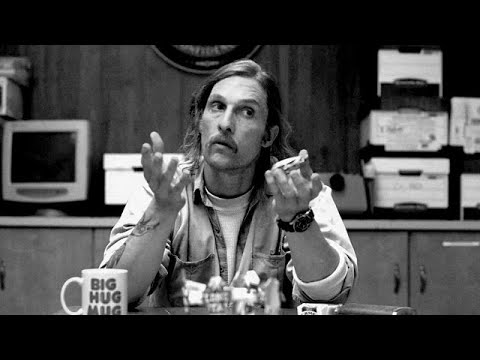
In the world of film and theater, the magic often lies not just in the script or the director’s vision, but in the nuanced collaboration between directors and actors. The Art of Working with Actors explores the intricate dynamics that transform a script into a living, breathing performance. This engaging journey delves into techniques, insights, and the essential interpersonal skills required to harness the full potential of actors, ultimately revealing how this partnership can elevate storytelling to extraordinary heights.
How can directors effectively collaborate with actors?
Directors can effectively collaborate with actors by fostering open communication, encouraging creativity, providing clear guidance, and cultivating a supportive atmosphere for experimentation.
What are the key techniques for effectively communicating with actors during rehearsals?
Effective communication with actors during rehearsals is essential for fostering a collaborative and creative environment. One key technique is to establish clear objectives for each rehearsal, ensuring that all participants understand their roles and the goals for the session. This clarity helps streamline discussions and allows actors to focus on their character development and performance enhancements rather than getting sidetracked by uncertainties.
Another important technique is to encourage open dialogue among the cast. Creating a safe space for actors to express their interpretations and suggestions not only builds trust but also enhances the overall quality of the production. Active listening is fundamental here; directors and fellow actors should engage with each other’s perspectives, validating contributions while guiding the conversation toward a unified vision for the piece.
Finally, using visual and physical cues can significantly improve understanding during rehearsals. Demonstrating movements, emotions, or staging choices can clarify complex concepts that may be difficult to verbalize. By combining verbal instructions with visual aids and hands-on techniques, directors can ensure that all actors are on the same page, leading to a more cohesive and dynamic performance.
How can I build trust and rapport with actors to foster a collaborative environment?
Building trust and rapport with actors begins with open and honest communication. Taking the time to listen to their ideas, concerns, and feedback fosters a sense of partnership. By creating a safe space where actors feel valued and respected, you encourage them to express their creativity freely. Regular check-ins and constructive dialogue can help bridge any gaps, ensuring everyone is aligned and comfortable throughout the collaborative process.
In addition to communication, demonstrating genuine appreciation for their craft is vital. Acknowledging their unique talents and contributions not only boosts confidence but also reinforces a team-oriented atmosphere. Engaging in team-building activities or informal gatherings can deepen relationships, allowing you to connect on a personal level. By consistently nurturing these connections, you create a positive environment where collaboration thrives, ultimately enhancing the overall artistic vision.
What should I consider when giving feedback to actors to ensure it is constructive and helpful?
When providing feedback to actors, it’s essential to focus on specific behaviors rather than personal attributes, ensuring your comments are both actionable and clear. Start by highlighting what they did well to create a positive atmosphere before addressing areas for improvement, always framing your suggestions in a way that encourages growth. Use examples from their performance to illustrate your points, and invite an open dialogue to foster collaboration and understanding. Ultimately, the goal is to empower the actor, helping them refine their craft while maintaining their confidence and enthusiasm for the role.
How do I handle conflicts or disagreements with actors while maintaining a positive working relationship?
Navigating conflicts with actors requires a blend of empathy and clear communication. It’s essential to approach disagreements with an open mind, actively listening to their concerns and validating their feelings. By fostering an environment of respect and understanding, you can create a safe space for dialogue where both parties feel heard. Acknowledging differing perspectives can help diffuse tension and lead to collaborative solutions that benefit the entire production.
To maintain a positive working relationship, focus on finding common ground and shared goals. Emphasize the importance of teamwork and the collective vision for the project. Offering constructive feedback and expressing appreciation for their contributions can further strengthen your rapport. Ultimately, a commitment to open communication and mutual respect will not only resolve conflicts but also enhance the overall working atmosphere, leading to a more harmonious and productive collaboration.
Unlocking Synergy: Building Trust with Performers
In the dynamic world of performance, the key to unlocking synergy lies in cultivating trust between all participants. When performers feel valued and respected, their creativity flourishes, leading to a collaborative environment where ideas can be shared freely. Establishing open lines of communication and actively listening to one another fosters a sense of belonging that enhances group cohesion. By prioritizing transparency and support, teams can transform individual talents into a harmonious collective, ultimately elevating the quality of their work and creating memorable experiences for audiences. Trust is not just a foundation; it is the catalyst that propels performers toward their fullest potential.
Crafting Connections: Enhancing Team Dynamics
In today’s fast-paced work environment, fostering strong team dynamics is essential for success. Effective collaboration not only enhances productivity but also cultivates a sense of belonging among team members. By prioritizing open communication and active listening, organizations can create a culture where every voice is valued, leading to innovative ideas and solutions that drive progress.
Building relationships within a team goes beyond mere task execution; it involves understanding individual strengths and weaknesses. By recognizing the unique contributions that each member brings, teams can leverage diverse perspectives to tackle challenges more creatively. Regular team-building activities and collaborative projects can help strengthen these bonds, making it easier for members to trust and rely on one another.
Ultimately, enhancing team dynamics requires a commitment to ongoing development and support. Leaders play a fundamental role in modeling behaviors that promote inclusivity and respect, setting the tone for the entire team. By fostering an environment where collaboration thrives, organizations can unlock the full potential of their teams, paving the way for sustained success and innovation.
From Script to Stage: Navigating Collaborative Creativity
The journey from script to stage is a vibrant tapestry woven from the threads of collaboration, creativity, and shared vision. In the realm of theater, each production begins as a solitary script, a blueprint filled with potential. It is through the collaborative efforts of playwrights, directors, actors, and designers that this written word transforms into a living, breathing performance. Each member brings their unique perspective and expertise, enriching the narrative and elevating the overall experience for the audience.
As artists come together, the process becomes a dance of ideas, where dialogue and experimentation are paramount. Workshops and rehearsals serve as a crucible for creativity, allowing different interpretations to emerge and evolve. This dynamic exchange fosters an environment where risk-taking is encouraged, leading to innovative staging choices and unexpected character developments. The synergy created in these collaborative spaces often results in a final production that resonates deeply with viewers, reflecting the collective imagination of its creators.
Ultimately, navigating the path from script to stage is a testament to the power of teamwork. The successful melding of diverse talents not only enhances the storytelling but also builds a sense of community among the artists involved. As they work towards a shared goal, the collaborative spirit ignites a passion that is palpable both on and off the stage. It is this intricate interplay of creativity and cooperation that transforms a mere script into an unforgettable theatrical experience, leaving a lasting impact on all who witness it.
Mastering the art of working with actors is an essential skill that transforms a script into a captivating performance. By fostering trust, encouraging creativity, and maintaining open communication, directors can unlock the full potential of their cast. This collaborative approach not only enhances the artistic process but also creates a vibrant atmosphere where powerful stories come to life, captivating audiences and leaving a lasting impression. Embracing this art form enriches both the production and the viewer’s experience, making it a vital aspect of successful filmmaking.
