
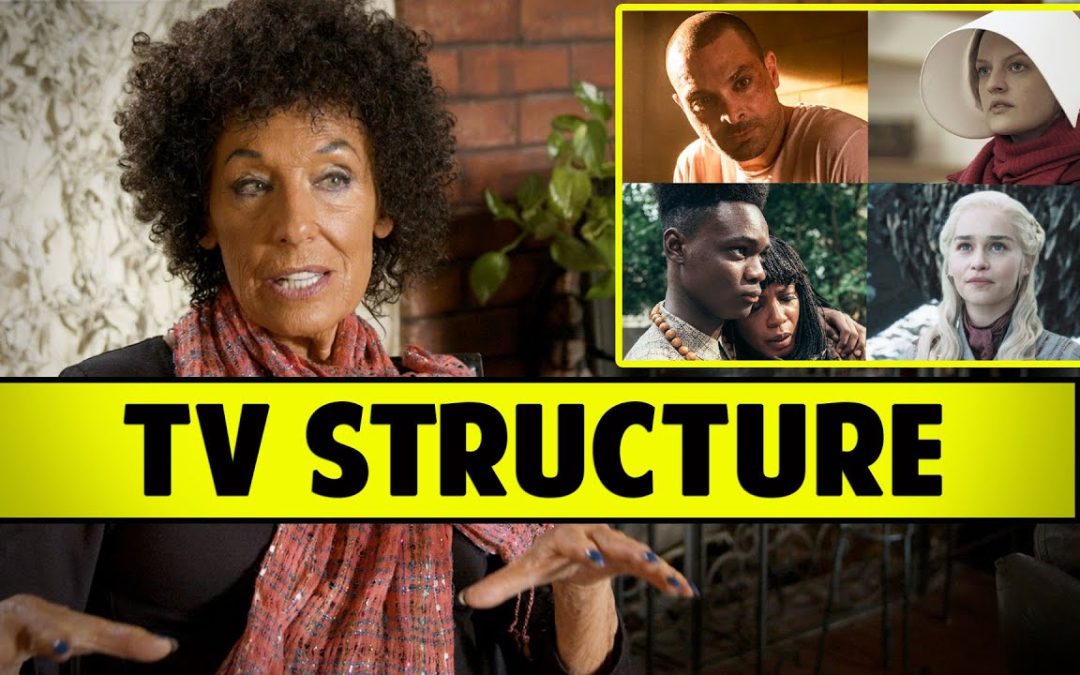
In an age where storytelling reigns supreme, The Art of Writing for Television has emerged as a vital skill for aspiring creatives. This dynamic medium not only captivates audiences but also offers a unique canvas for innovation and character development. From crafting compelling dialogue to structuring intricate plots, the television writer’s journey is one of both challenge and reward. As viewers increasingly seek diverse narratives that resonate with their experiences, mastering the nuances of this craft has never been more essential. Join us as we explore the techniques and insights that elevate television writing from mere script to unforgettable art.
What makes television writing uniquely challenging?
Television writing is uniquely challenging due to its collaborative nature, strict formats, and the need for engaging content that fits within limited time constraints.
Advantages
- Engages Viewers: The Art of Writing for Television effectively captivates audiences, drawing them into compelling narratives and memorable characters that keep them coming back for more.
- Collaborative Opportunities: Television writing often involves teamwork with directors, producers, and other writers, fostering a creative environment that can enhance the storytelling process.
- Diverse Storytelling Formats: Writers have the flexibility to explore various genres and formats, from episodic series to miniseries, allowing for innovative and diverse narratives that reach a wide audience.
- Immediate Feedback: Television writers can receive quick feedback from audiences and networks, enabling them to make timely adjustments and improvements based on viewer reception and ratings.
Disadvantages
- Limited Creative Freedom: Writers often have to adhere to strict guidelines and network standards, which can stifle individual creativity and lead to compromises in artistic vision.
- Collaborative Challenges: Television writing typically involves multiple writers and producers, which can result in conflicting ideas and difficulties in maintaining a cohesive narrative or tone throughout the series.
What are the essential elements of a successful television script?
A successful television script hinges on several essential elements that combine to create a captivating narrative. First and foremost, well-developed characters are fundamental; they must be relatable, complex, and capable of growth throughout the series. Strong dialogue is equally important, as it not only reveals character traits but also drives the plot forward and keeps the audience engaged. Additionally, a compelling premise with a clear conflict sets the stage for captivating storytelling, while a well-structured plot ensures that the pacing maintains viewer interest from episode to episode.
Furthermore, effective use of themes and subtext adds depth to the script, inviting viewers to explore the underlying messages and emotional resonance. Visual storytelling plays an integral role as well, with descriptions that evoke imagery and set the tone for each scene. Finally, maintaining a consistent voice and style throughout the script is essential, as it helps establish the overall atmosphere and connects with the audience on a deeper level. Together, these elements create a rich tapestry that not only entertains but also leaves a lasting impact.
How can I develop compelling characters for a TV series?
To develop compelling characters for a TV series, start by giving each character a clear motivation that drives their actions and decisions, ensuring they have relatable desires and flaws. Create rich backstories that reveal their past experiences, shaping their personalities and relationships with others in the story. Emphasize character arcs that demonstrate growth or change over time, allowing viewers to invest emotionally in their journeys. Additionally, consider diverse perspectives and dynamics among characters to add depth and complexity, making interactions feel authentic and engaging. By weaving these elements together, your characters will resonate with audiences and keep them coming back for more.
What are the best practices for writing engaging dialogue in television?
Engaging dialogue in television is fundamental for captivating audiences and driving the narrative. One of the best practices is to ensure that each character has a distinct voice. This means understanding their background, personality, and motivations, which helps the dialogue feel authentic and relatable. By giving characters unique ways of speaking, writers can create memorable interactions that resonate with viewers, making each scene more dynamic and impactful.
Another key element is to keep the dialogue purposeful and concise. Every line should serve a function, whether it’s advancing the plot, revealing character traits, or building tension. Avoiding unnecessary filler allows the audience to stay engaged and focused on the story. Additionally, incorporating subtext—where characters say one thing but mean another—can add depth and intrigue, prompting viewers to think critically about the underlying motivations and emotions at play.
Finally, incorporating rhythm and pacing into dialogue can enhance its overall effectiveness. Varying the tempo of exchanges can create tension or humor, depending on the scene’s context. Writers should pay attention to how dialogue flows, using pauses and interruptions to mimic real-life conversations. This naturalistic approach not only makes the dialogue feel more authentic but also keeps audiences invested in the unfolding drama, ensuring that every moment on screen feels alive and compelling.
How do I structure a television pilot to attract producers and networks?
To attract producers and networks, a television pilot must start with a compelling premise that captures attention immediately. Begin with a strong logline that succinctly conveys the essence of your story, highlighting its unique angle. This should be followed by a well-defined structure, typically adhering to a three-act format. Each act should escalate the stakes, introduce key characters, and develop the central conflict, ensuring that the narrative remains engaging from start to finish.
Character development is fundamental in a pilot, as producers and networks look for relatable, multi-dimensional characters who can drive the story forward. Introduce your protagonist and other major characters in the first act, showcasing their motivations, relationships, and flaws. This helps create emotional connections with the audience and provides a strong foundation for future episodes. Be sure to include dynamic interactions and memorable dialogues that reveal character traits and hint at potential growth throughout the series.
Finally, wrap up your pilot with a gripping conclusion that leaves viewers wanting more. This could be a cliffhanger, a significant revelation, or an unexpected twist that propels the narrative into subsequent episodes. Additionally, consider integrating thematic elements that resonate with current cultural conversations, making your pilot not only entertaining but also relevant. By presenting a polished, engaging, and thought-provoking pilot, you significantly increase your chances of capturing the interest of producers and networks.
Unlocking the Secrets of Compelling Storytelling
Compelling storytelling captivates audiences by weaving together relatable characters, engaging plots, and vivid settings that evoke emotion. At the heart of every great story lies a universal truth or conflict that resonates deeply, drawing readers in and allowing them to see themselves in the narrative. Masterful storytellers expertly balance tension and resolution, crafting arcs that keep audiences on the edge of their seats while delivering satisfying conclusions. By tapping into the power of imagination and empathy, these narratives not only entertain but also inspire, leaving a lasting impact that lingers long after the final page is turned.
From Concept to Screen: Your Guide to TV Success
Turning an innovative idea into a captivating television show is a journey that begins with a strong concept. The first step is to develop a unique premise that resonates with audiences while offering a fresh perspective. This involves thorough research, brainstorming sessions, and creating a compelling logline that encapsulates the essence of your story. By clearly defining the characters, setting, and overarching themes, you lay the groundwork for a narrative that can truly engage viewers and leave a lasting impact.
Once the concept is solid, the next phase is crafting a well-structured script. This includes outlining episodes, developing character arcs, and ensuring that dialogue flows naturally. Collaborating with experienced writers can bring invaluable insights and enhance the storytelling process. As the script takes shape, consider the visual elements that will bring the narrative to life. Storyboarding key scenes and envisioning the overall aesthetic will help communicate your vision to potential producers and directors.
Finally, to translate your concept into a successful TV show, building a strong pitch is essential. A concise and engaging pitch presentation should highlight the unique aspects of your show while showcasing its potential for audience engagement. Networking with industry professionals, attending pitch festivals, and leveraging social media can open doors for opportunities. With determination, creativity, and a strategic approach, your vision can transition from a mere idea to an exciting new series that captivates viewers around the world.
Writing for Impact: Elevate Your Script to New Heights
In today’s fast-paced world, the ability to communicate effectively through writing is more fundamental than ever. A compelling script has the power to captivate audiences, convey powerful messages, and inspire action. To elevate your script, focus on clarity and emotional resonance. Use vivid imagery and strong verbs to paint a picture in the minds of your readers, allowing them to connect deeply with your message. Every word should serve a purpose, guiding the audience through a journey that is both engaging and memorable.
Additionally, consider the structure of your script as a roadmap for your ideas. A well-organized narrative not only enhances readability but also amplifies the emotional impact of your words. Start with a strong hook to draw readers in, then build tension and develop your themes with finesse. Conclude with a powerful resolution that leaves a lasting impression, encouraging reflection or prompting action. By honing your writing skills and crafting scripts that resonate, you can create works that truly make an impact and elevate your storytelling to new heights.
Mastering the art of writing for television requires a unique blend of creativity, structure, and an understanding of audience engagement. By honing your skills in character development, dialogue, and plot construction, you can craft compelling narratives that captivate viewers and leave a lasting impact. As the industry continues to evolve, embracing new storytelling techniques while staying true to the core principles of television writing will set you apart in this dynamic field. Ultimately, it’s this passionate pursuit of excellence that transforms ideas into unforgettable screen stories.
