
As technology continues to evolve, the future of green screen techniques promises to revolutionize the way we create and experience visual storytelling. From advancements in virtual production to the integration of AI and augmented reality, filmmakers and content creators are poised to push the boundaries of imagination. This article explores the innovative developments shaping green screen technology and how they are transforming everything from Hollywood blockbusters to everyday video production, enabling artists to craft immersive narratives like never before.
What innovations are shaping green screen technology?
Innovations like real-time augmented reality, advanced motion tracking, and virtual production techniques are enhancing green screen technology for more immersive and efficient filmmaking.
What advancements in technology are shaping the future of green screen techniques?
The future of green screen techniques is being significantly shaped by advancements in digital technology and artificial intelligence. Enhanced software solutions now enable real-time background replacement, allowing filmmakers and content creators to visualize changes instantly during production. This innovation streamlines the creative process, reducing the need for extensive post-production work and enabling a more dynamic interaction between actors and their environments.
Moreover, improvements in camera technology, particularly with high-resolution sensors and advanced image processing, are elevating the quality of green screen effects. These cameras capture finer details and color accuracy, leading to more seamless integration of subjects with virtual backgrounds. As a result, the visual effects industry can produce more immersive experiences, enhancing storytelling in films, video games, and virtual reality applications.
Additionally, the rise of augmented reality (AR) and virtual reality (VR) is transforming how green screens are utilized. With interactive environments becoming increasingly popular, green screens are being adapted for live performances and gaming experiences. This shift not only broadens the scope of green screen applications but also encourages innovative collaborations across various entertainment sectors, ultimately redefining audience engagement in the digital age.
How are virtual production methods enhancing the use of green screens in filmmaking?
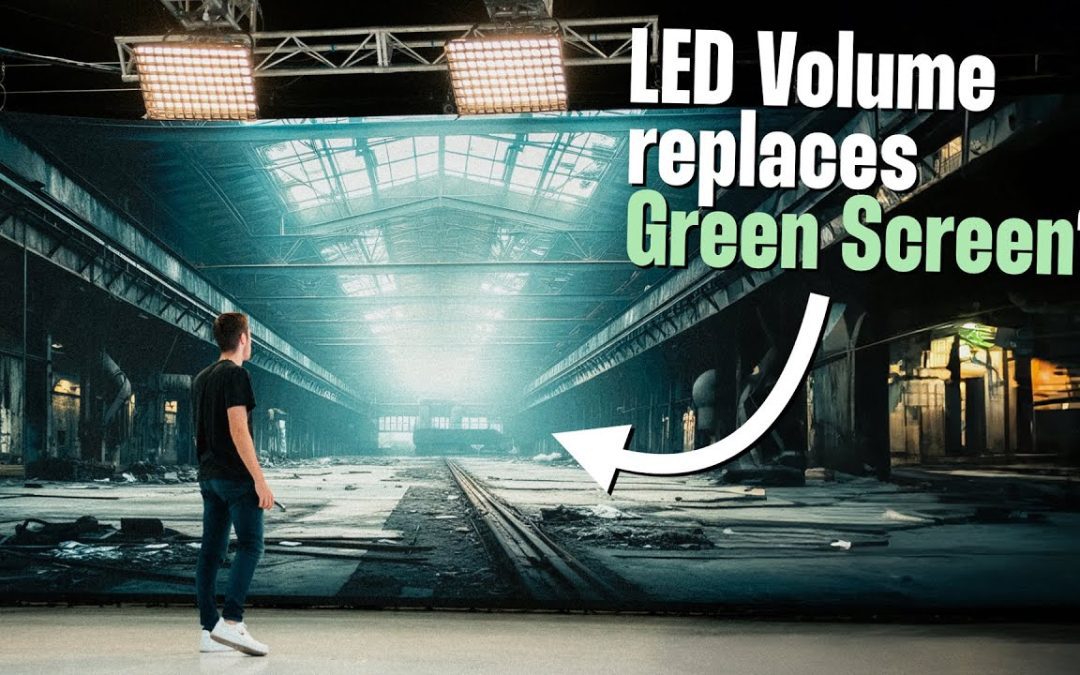
Virtual production methods are revolutionizing the filmmaking landscape by significantly enhancing the traditional use of green screens. By integrating real-time rendering technology, filmmakers can create immersive environments that blend digital and physical elements seamlessly. This advancement allows for immediate visualization of scenes, enabling directors and cinematographers to make informed decisions on lighting, composition, and performance, all while on set. As a result, the reliance on extensive post-production processes is reduced, leading to a more efficient workflow.
Moreover, virtual production techniques provide a more sustainable filmmaking approach. Traditional green screen setups often require extensive resources and materials, contributing to waste and environmental impact. With virtual backdrops and LED screens, filmmakers can reduce their carbon footprint by minimizing the need for physical sets and extensive travel to various locations. This shift not only promotes eco-friendly practices but also opens up creative possibilities, allowing for dynamic and adaptable environments that can change at a moment’s notice.
Finally, the collaboration between virtual production and green screen technology enhances the overall storytelling experience. By enabling real-time interactions between actors and digital backgrounds, performers can engage more authentically with their surroundings, leading to more compelling narratives. This synergy captivates audiences and elevates the cinematic experience, demonstrating that the future of filmmaking lies in the innovative fusion of traditional techniques and cutting-edge technology.
What challenges do filmmakers face when using green screens in outdoor environments?
Filmmakers often encounter a range of challenges when using green screens in outdoor environments, primarily due to lighting inconsistencies and environmental variables. Natural light can shift dramatically throughout the day, creating uneven shadows and highlights that complicate the chroma keying process. Additionally, unpredictable weather conditions, such as wind and rain, can disrupt the setup and affect the quality of the footage, making it difficult to achieve a seamless integration of visual effects.
Another significant challenge is managing reflections and color spill from surrounding elements. Outdoor settings can introduce unwanted hues and textures that interfere with the green screen’s effectiveness, resulting in a less polished final product. Furthermore, filmmakers must navigate logistical issues like securing locations and ensuring adequate space for equipment, which can add to the complexity of production. Balancing these factors requires meticulous planning and creativity to deliver captivating visual narratives.
Pioneering Visuals: The Future of Green Screen Technology
As the entertainment industry continues to evolve, green screen technology is at the forefront of innovation, transforming how stories are told and experiences are created. With advancements in digital compositing and real-time rendering, filmmakers can now craft stunning visuals that seamlessly blend live action with dynamic backgrounds. This evolution not only enhances the creative possibilities but also streamlines production processes, allowing for more immersive storytelling that captivates audiences like never before.
The future of green screen technology promises even more revolutionary developments, including the integration of augmented reality and artificial intelligence. These tools will enable creators to manipulate environments and characters with unprecedented precision, resulting in visuals that are not only realistic but also highly engaging. As we embrace these pioneering techniques, the potential for creating extraordinary cinematic experiences expands, paving the way for a new era where imagination knows no bounds.
Beyond the Screen: Revolutionizing Filmmaking with Innovation
In an era where technology continuously reshapes the landscape of storytelling, filmmakers are embracing innovative tools that transcend traditional methods. From virtual reality experiences that immerse audiences in new worlds to artificial intelligence assisting in scriptwriting and editing, the filmmaking process is evolving into a collaborative endeavor between human creativity and cutting-edge technology. This revolution not only enhances production efficiency but also opens up new avenues for storytelling, enabling creators to connect with viewers in ways previously thought impossible.
As filmmakers harness these advancements, the art of cinema is being redefined, allowing for a more dynamic and interactive experience. Audiences are no longer passive observers but active participants in narratives that adapt and respond to their engagement. This shift is fostering a culture of experimentation, where innovative techniques can lead to unexpected and compelling narratives. Ultimately, the fusion of technology and creativity is paving the way for a new era of filmmaking, one where imagination knows no bounds and every story can find its unique voice.
The Next Frontier: Advancements in Green Screen Methods
Advancements in green screen methods are revolutionizing the world of visual storytelling, providing creators with unprecedented flexibility and creativity. Emerging technologies such as AI-driven background replacement and real-time compositing are enhancing the efficiency of production, allowing filmmakers to seamlessly blend live action with digital environments. These innovations not only streamline the post-production process but also empower artists to push the boundaries of imagination, creating immersive experiences that captivate audiences. As these techniques evolve, the potential for broader applications in fields like gaming, virtual reality, and education grows, paving the way for a more sustainable and visually stunning future in media.
Seamless Imagery: Transforming Filmmaking with New Techniques
In the ever-evolving world of filmmaking, the integration of innovative techniques is reshaping how stories are told on screen. With advancements in technology, filmmakers are now able to create seamless imagery that captivates audiences. Techniques such as virtual production and real-time rendering allow creators to blend live-action footage with stunning digital environments, resulting in a visual experience that feels both immersive and authentic.
The use of artificial intelligence and machine learning further enhances this transformation by streamlining post-production processes. AI-driven tools can analyze footage, suggest edits, and even assist in color grading, significantly reducing the time and effort required to achieve a polished final product. This newfound efficiency empowers filmmakers to focus more on their creative vision, exploring bold narratives and pushing the boundaries of what is possible in visual storytelling.
As filmmakers harness these cutting-edge techniques, the potential for originality and innovation in the industry expands exponentially. Audiences are treated to a new wave of cinematic experiences that challenge traditional storytelling methods. By embracing seamless imagery, filmmakers are not only enhancing their craft but also inviting viewers to engage with stories in ways that resonate on deeper emotional levels, paving the way for the future of cinema.
Eco-Friendly Filmmaking: Cutting-Edge Green Screen Innovations
In an era where sustainability is paramount, the film industry is embracing innovative green screen technologies that significantly reduce its carbon footprint. These cutting-edge advancements not only enhance visual storytelling but also prioritize eco-conscious practices. By utilizing biodegradable materials and energy-efficient lighting, filmmakers can create stunning visual effects while minimizing their impact on the environment. This shift towards eco-friendly filmmaking reflects a growing commitment to both creativity and sustainability in an industry often criticized for its resource-intensive processes.
As filmmakers increasingly turn to these eco-friendly green screen innovations, they are also discovering new ways to engage audiences with environmentally themed narratives. By incorporating sustainable practices into their production processes, filmmakers are not just setting a trend; they are inspiring a movement toward greater environmental awareness. With every project, they demonstrate that it is possible to produce captivating content that resonates with viewers while championing the health of our planet. This fusion of artistry and environmental responsibility signifies a promising future for the film industry, where imagination knows no bounds, and sustainability is at the forefront.
The future of green screen techniques promises to revolutionize visual storytelling, blending cutting-edge technology with creative innovation. As advancements in virtual production and real-time rendering continue to evolve, filmmakers and content creators will unlock new realms of imagination, making previously unattainable scenes a reality. With the potential for greater accessibility and affordability, these techniques will empower a diverse range of voices, ensuring that the art of storytelling remains vibrant and inclusive in an ever-changing digital landscape.
