
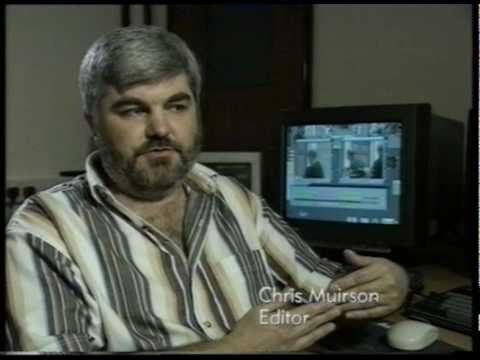
As the digital landscape continues to evolve, nonlinear editing (NLE) has emerged as a transformative force in the world of video production. The Future of Nonlinear Editing Explained delves into the innovations reshaping how creators approach storytelling, from AI-driven tools that enhance efficiency to collaborative platforms that foster creativity. This article explores the potential of NLE to revolutionize workflows, democratize content creation, and redefine the boundaries of visual storytelling, making it an essential read for anyone invested in the future of media.
What innovations are shaping nonlinear editing’s future?
Innovations like AI-driven editing tools, cloud collaboration, and improved user interfaces are shaping the future of nonlinear editing, enhancing efficiency and creativity for filmmakers.
What is nonlinear editing and how does it differ from traditional editing methods?
Nonlinear editing (NLE) is a modern approach to video and audio editing that allows creators to access any part of their media files at any time, without the constraints of a linear timeline. This method utilizes computer software to provide a flexible workspace, where clips can be rearranged, layered, and manipulated easily. Editors can experiment with different sequences and effects, enabling a more creative and efficient workflow that fosters innovation and spontaneity.
In contrast, traditional editing methods, often referred to as linear editing, require a sequential approach where the editor must work through the footage in a predetermined order. This often involves physically cutting and splicing film or tape, which can be time-consuming and limits the ability to make quick changes. With linear editing, once a decision is made, altering the sequence can be cumbersome, and the process is often less forgiving of mistakes.
The key difference lies in the level of flexibility and accessibility offered by nonlinear editing. While traditional methods can still be effective for certain projects, NLE empowers editors to experiment freely, collaborate seamlessly, and achieve a polished final product more efficiently. As technology continues to evolve, nonlinear editing has become the preferred choice for filmmakers and content creators seeking to maximize their creative potential.
What advancements in technology are shaping the future of nonlinear editing?
The future of nonlinear editing (NLE) is being revolutionized by advancements in artificial intelligence and cloud computing. AI-driven tools are streamlining workflows by automating tasks like color correction, audio leveling, and even content tagging, allowing editors to focus on the creative aspects of their projects. These intelligent systems analyze footage and suggest edits, significantly reducing the time spent on repetitive tasks and enhancing overall productivity. As NLE software becomes more intuitive, it empowers both seasoned professionals and newcomers to produce high-quality content with ease.
Meanwhile, cloud-based editing platforms are transforming collaboration in the post-production process. Editors can now work simultaneously from different locations, accessing projects and assets in real time. This not only fosters creativity through diverse input but also improves project management by enabling seamless version control and feedback integration. As connectivity continues to improve and bandwidth increases, the ability to edit from virtually anywhere will redefine how stories are crafted, making the editing process more agile and responsive to the fast-paced demands of today’s media landscape.
How can nonlinear editing enhance the storytelling process in film and video production?
Nonlinear editing (NLE) revolutionizes the storytelling process in film and video production by allowing creators to manipulate footage with unprecedented flexibility. Unlike traditional linear editing, where scenes must be edited in a sequential order, NLE systems enable filmmakers to access any clip at any time, facilitating a more dynamic approach to narrative construction. This freedom allows for the exploration of various story arcs, pacing adjustments, and the seamless integration of visual effects and sound design, ultimately resulting in a more polished and compelling final product.
Moreover, nonlinear editing enhances collaboration among the creative team, as multiple editors can work on different segments simultaneously, streamlining the workflow. This collaborative environment fosters innovation and experimentation, enabling filmmakers to refine their stories through iterative feedback and revisions. As a result, nonlinear editing not only improves the efficiency of the production process but also elevates the storytelling experience, empowering filmmakers to craft narratives that resonate deeply with audiences.
What skills are essential for editors to keep up with the evolving landscape of nonlinear editing?
In the rapidly evolving landscape of nonlinear editing, editors must cultivate a blend of technical proficiency and creative insight. Familiarity with advanced editing software and emerging technologies is esencial, as these tools continually reshape the editing process. Understanding color grading, audio mixing, and visual effects not only enhances the final product but also allows editors to collaborate effectively with other creative professionals. Furthermore, a strong grasp of storytelling techniques and pacing is essential, enabling editors to craft compelling narratives that resonate with audiences.
Equally important is the ability to adapt to industry trends and audience preferences. Editors should stay informed about the latest developments in digital media, including social media formats and interactive content, to ensure their work remains relevant and engaging. Strong communication skills also play a vital role, facilitating collaboration within diverse teams and helping editors articulate their creative vision. By combining technical skills with an adaptable mindset and a keen understanding of storytelling, editors can thrive in the dynamic world of nonlinear editing.
Revolutionizing Creativity: A New Era in Editing
In an age where innovation drives artistic expression, a new wave of editing tools is reshaping the landscape of creativity. These advanced technologies empower creators by offering intuitive interfaces and powerful features that streamline the editing process. By harnessing the capabilities of artificial intelligence, these tools not only enhance efficiency but also inspire users to explore uncharted territories in their work, allowing for greater experimentation and originality.
As traditional boundaries blur, the democratization of editing tools makes high-quality production accessible to everyone, from amateur enthusiasts to seasoned professionals. This shift is fostering a vibrant community of creators who can collaborate and share their ideas without the barriers previously imposed by complex software. In this environment, creativity thrives as individuals leverage these tools to amplify their unique voices and perspectives, creating a rich tapestry of content that resonates with diverse audiences.
The result is a dynamic ecosystem where innovation and creativity intersect, leading to groundbreaking projects that challenge conventions. As editors embrace these revolutionary advancements, they are not just enhancing their craft; they are also redefining what is possible in the world of storytelling and artistic expression. With each new development, the future of editing promises to be more inclusive, imaginative, and inspiring than ever before.
Breaking Boundaries: The Next Generation of Editing Tools
The landscape of editing tools is undergoing a revolutionary transformation, breaking down traditional barriers and introducing innovative features that empower creators like never before. Emerging technologies, including artificial intelligence and machine learning, are streamlining workflows, allowing for real-time collaboration and advanced automation. This evolution not only enhances efficiency but also fosters creativity, enabling users to focus more on their craft rather than the technicalities of the editing process.
As these next-generation tools become more accessible, they cater to a diverse range of users, from amateur content creators to seasoned professionals. Intuitive interfaces and customizable options ensure that everyone can find a solution that fits their unique style and needs. By democratizing the editing process, these tools are leveling the playing field, encouraging a wider variety of voices and perspectives to emerge in the digital landscape.
Moreover, the integration of cloud-based platforms allows for seamless editing experiences across devices, making it easier for teams to collaborate regardless of location. This connectivity not only accelerates project timelines but also fosters a sense of community among creators. As we move forward, the boundaries of what’s possible in editing are continually being redefined, promising an exciting future where creativity knows no limits.
Transforming Storytelling: Innovations in Nonlinear Editing
In the ever-evolving landscape of digital storytelling, nonlinear editing (NLE) has emerged as a transformative force. Unlike traditional linear editing, which follows a sequential narrative, NLE allows creators to manipulate time and structure, offering a fresh approach to how stories are told. This innovation empowers filmmakers, content creators, and even social media influencers to craft intricate narratives that engage audiences on multiple levels, breaking free from conventional storytelling constraints.
The rise of intuitive editing software has made nonlinear editing accessible to a broader range of storytellers. With user-friendly interfaces and powerful features, creators can experiment with various timelines, seamlessly integrating flashbacks, parallel storylines, and visual effects. This flexibility not only enhances creativity but also invites viewers to engage more deeply with the narrative, encouraging them to piece together the story from different perspectives. As a result, audiences are not just passive consumers but active participants in the storytelling process.
Moreover, the integration of artificial intelligence and machine learning into NLE tools is further revolutionizing the industry. These technologies can automate tedious tasks, suggest edits, and even predict audience responses, enabling creators to focus on the artistry of storytelling. As these innovations continue to develop, nonlinear editing is poised to redefine the boundaries of narrative structure, paving the way for a new era of immersive and interactive storytelling that captivates and resonates with diverse audiences around the globe.
As technology continues to evolve, the future of nonlinear editing promises to reshape the landscape of content creation. With advancements in AI, cloud-based solutions, and user-friendly interfaces, editors can expect more efficient workflows and enhanced creative possibilities. Embracing these innovations will empower storytellers to push boundaries and elevate their craft, ensuring that the art of editing remains dynamic and relevant in an ever-changing digital world.
