
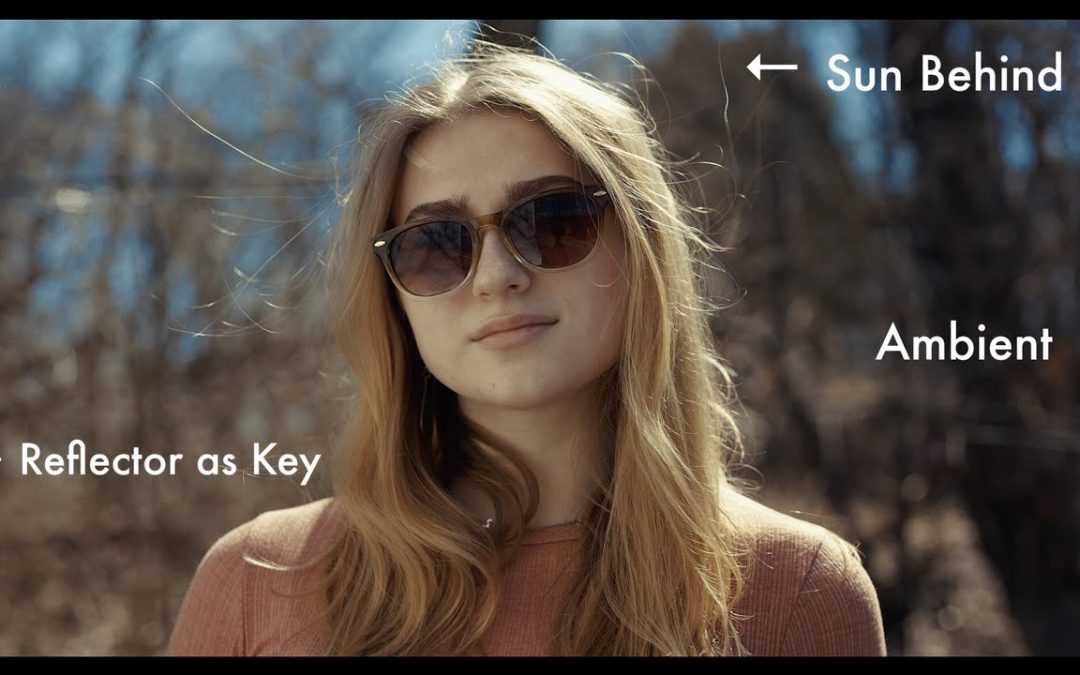
As photographers increasingly embrace the art of capturing moments in their purest form, the future of shooting in natural light emerges as a captivating frontier. This approach not only celebrates the beauty of the environment but also challenges artists to harness the ever-changing play of light and shadow. With advancements in camera technology and a growing appreciation for authenticity in imagery, the landscape of photography is evolving. In this article, we explore the innovative techniques and emerging trends that are shaping the future of shooting in natural light, inviting both seasoned professionals and enthusiastic amateurs to redefine their creative boundaries.
How will shooting in natural light evolve?
The future of shooting in natural light will involve advanced technology, enhancing flexibility and creativity while capturing stunning images in diverse lighting conditions.
What are the advantages of shooting in natural light for photography?
Shooting in natural light offers photographers a unique opportunity to capture the true essence of a scene, enhancing the authenticity of their images. The soft, diffused quality of natural light, especially during the golden hours of sunrise and sunset, creates a warm glow that adds depth and dimension to photographs. This natural illumination minimizes harsh shadows and highlights, allowing for more balanced exposures and a more harmonious color palette, which can elevate the overall aesthetic of the image.
Additionally, utilizing natural light often leads to a more spontaneous and dynamic shooting experience. Without the need for complex lighting setups, photographers can quickly adapt to changing conditions, allowing for greater creativity and experimentation. This adaptability fosters a deeper connection with the environment, encouraging photographers to engage with their surroundings and capture moments that reflect genuine emotion and atmosphere. As a result, natural light not only enhances the technical quality of images but also enriches the storytelling potential of each photograph.
How can I effectively use natural light to enhance my images?
Harnessing natural light can transform your images, making them appear vibrant and dynamic. The golden hours—shortly after sunrise and before sunset—offer soft, warm light that adds a magical quality to your photographs. During these times, shadows are elongated and less harsh, allowing for more flattering portraits and landscape shots. Positioning your subject in relation to the light source can dramatically influence the mood and tone of your images, so experiment with different angles to find the most captivating compositions.
In addition to timing, consider the weather conditions and the quality of light throughout the day. Overcast days provide a diffused light that minimizes harsh shadows, making them perfect for close-up shots and portraits. Conversely, bright, sunny days can create striking contrasts and dynamic shadows, ideal for architectural photography or vibrant outdoor scenes. Using reflectors or diffusers can further manipulate the natural light, helping to balance highlights and shadows or to direct light where it’s needed most.
Lastly, remember to pay attention to your surroundings. The environment can enhance natural light effects; for instance, colorful walls can bounce light onto your subject, adding depth and interest. Look for interesting backdrops, such as foliage or textured surfaces, that can interact with the light to create unique visual elements. By understanding and utilizing the nuances of natural light, you can elevate your photography, resulting in images that are not only beautiful but also rich in storytelling and emotion.
What time of day is best for shooting in natural light?
The golden hour, occurring shortly after sunrise and just before sunset, is widely regarded as the best time for shooting in natural light. During these periods, the sunlight is soft and warm, casting a flattering glow that enhances skin tones and creates stunning landscapes. The low angle of the sun also adds depth and dimension to photographs, resulting in captivating shadows and highlights. Additionally, the tranquil atmosphere of these times can lend a serene quality to your images, making them not only visually appealing but also emotionally resonant. For those seeking the perfect natural lighting, planning shoots around the golden hour can elevate the overall impact of their photography.
What challenges might I face when shooting in natural light, and how can I overcome them?
Shooting in natural light presents unique challenges, such as fluctuating light conditions, harsh shadows, and overexposed highlights. To tackle these issues, it’s essential to plan your shoot around the golden hours—early morning or late afternoon—when the light is softer and more flattering. Utilizing reflectors can help bounce light to fill in shadows, while adjusting your camera settings, like aperture and ISO, can mitigate overexposure. Additionally, experimenting with different angles and vantage points allows you to make the most of the available light, enhancing the overall quality of your images. Embracing these strategies can turn the unpredictability of natural light into an asset, resulting in captivating photographs.
Illuminate Your Skills: Mastering Natural Light Techniques
Harnessing the beauty of natural light can transform your photography, elevating ordinary scenes into extraordinary images. By understanding the nuances of sunlight—its direction, intensity, and quality—you can create stunning compositions that evoke emotion and captivate your audience. Experimenting with different times of day, particularly the golden hour, allows for softer shadows and warmer tones, enhancing the overall aesthetic of your shots.
To truly master natural light techniques, it’s essential to develop an eye for the interplay between light and subject. Observe how light interacts with textures and shapes, and learn to position your subjects to maximize these effects. With practice, you’ll gain confidence in adjusting your settings and framing your shots to suit the mood you wish to convey, ultimately crafting images that are not only visually appealing but also tell a compelling story.
Bright Horizons: The Art of Shooting Without Flash
In the world of photography, mastering the art of shooting without flash can open up a realm of creative possibilities. Utilizing natural light allows photographers to capture the subtle nuances of a scene, highlighting textures and colors that might otherwise be lost in harsh artificial illumination. By understanding how to leverage available light, whether it’s the golden hour glow or the soft shadows of an overcast day, you can create images that resonate with warmth and authenticity.
To achieve stunning results without the aid of flash, consider adjusting your camera settings to accommodate varying light conditions. Experimenting with higher ISO settings, wider apertures, and slower shutter speeds can enhance your ability to capture sharp, vivid images in dim environments. Additionally, mastering composition and framing can transform ordinary moments into extraordinary visual stories, making your work not just a representation of reality but an artistic expression that draws viewers in. Embrace the challenge of natural light photography, and watch your skills flourish as you discover new dimensions in your craft.
Natural Light, Stunning Results: A New Era in Photography
In the ever-evolving world of photography, the importance of natural light cannot be overstated. It transforms ordinary scenes into extraordinary visuals, highlighting textures, colors, and emotions that artificial lighting often fails to capture. Photographers are increasingly recognizing that harnessing the power of sunlight can elevate their work, creating images that resonate with authenticity and depth. This shift has not only enhanced the quality of photographs but has also sparked a renewed appreciation for the art form itself.
As photographers step into this new era, they are experimenting with various techniques to maximize the potential of natural light. From golden-hour shoots that capture the magic of sunrise and sunset to using reflectors and diffusers to manipulate shadows, the creative possibilities are endless. This approach encourages a more organic connection to the environment, allowing artists to embrace spontaneity and capture fleeting moments in their truest form. The result is a portfolio filled with stunning imagery that tells compelling stories.
The impact of this movement extends beyond individual photographers; it is reshaping the entire industry. Clients are now seeking authentic visuals that evoke emotion and connection, driving a demand for natural light photography in advertising, weddings, and editorial work. As this trend continues to gain momentum, it promises to redefine standards of beauty and storytelling in the visual arts. Embracing natural light is not just a technique; it’s a philosophy that celebrates the world around us, inviting viewers to see life through a lens of wonder and appreciation.
Capture the Moment: Harnessing Nature’s Light for Impactful Imagery
In the world of photography, the interplay of natural light can transform an ordinary scene into a breathtaking masterpiece. By understanding the nuances of sunlight—its angles, intensity, and colors—photographers can create images that not only capture a moment but also evoke emotion and tell a story. Early mornings and late afternoons offer a golden glow that enhances textures and highlights, while overcast days provide a soft, diffused light that brings out rich details. Harnessing these elements allows for a deeper connection with nature, inviting viewers to experience the beauty of the moment through a lens that celebrates the art of light.
Embracing the future of shooting in natural light opens up a world of creative possibilities for photographers. As technology advances and new techniques emerge, the ability to harness and manipulate natural light will empower artists to capture stunning images that resonate with authenticity and emotion. By continually exploring innovative approaches and staying attuned to the changing qualities of light, photographers can elevate their work, creating lasting impressions that celebrate the beauty of the world around us.
