
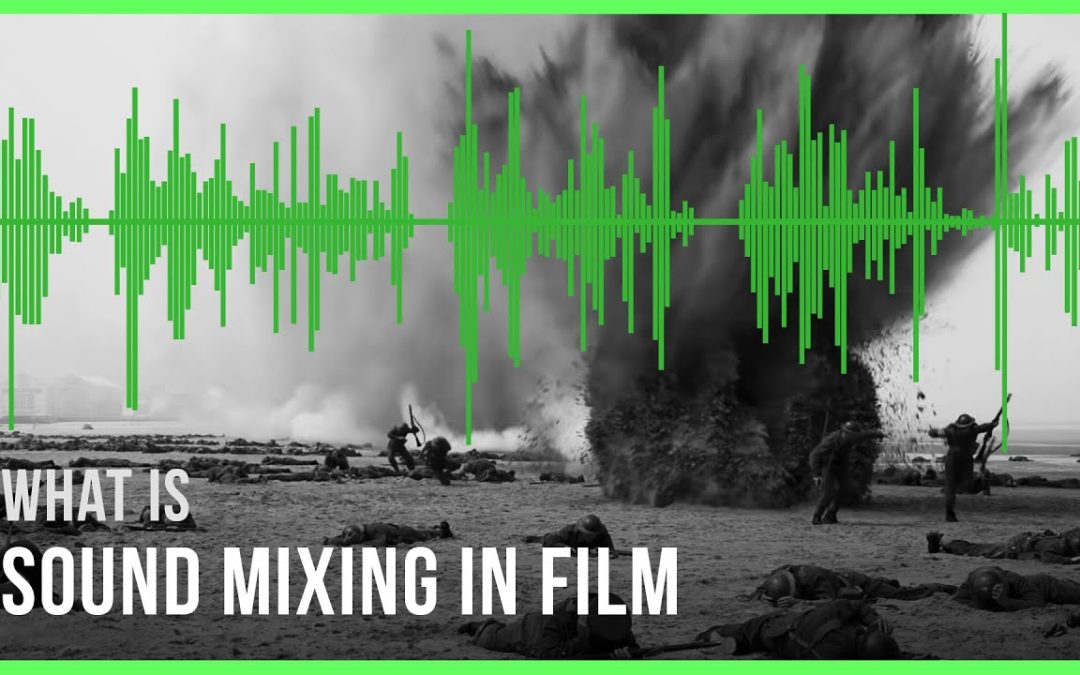
As technology continues to evolve, the future of sound mixing for film is poised for revolutionary changes that promise to enhance storytelling like never before. With advancements in artificial intelligence, immersive audio experiences, and new software innovations, sound engineers are now equipped to create richer, more dynamic soundscapes that draw audiences deeper into the cinematic experience. This article explores the cutting-edge techniques and tools shaping the industry, highlighting how they will redefine the way we perceive sound in film, ultimately transforming the art of storytelling.
What innovations will shape future sound mixing?
The future of sound mixing for film will be shaped by immersive audio technologies, AI-driven tools, and enhanced spatial sound design techniques.
What emerging technologies are shaping the future of sound mixing for film?
The future of sound mixing for film is being transformed by a range of emerging technologies that enhance both creativity and precision. Immersive audio formats like Dolby Atmos are revolutionizing how sound is spatially represented, allowing sound designers to place audio elements in a three-dimensional space for a more engaging viewer experience. Additionally, advancements in artificial intelligence are streamlining the mixing process by automating tasks such as noise reduction and audio enhancement, freeing up sound engineers to focus on artistic choices. Furthermore, virtual and augmented reality are paving the way for new storytelling techniques, enabling sound mixing to be seamlessly integrated with visual elements, thus creating a more cohesive and impactful narrative. These innovations not only elevate the quality of sound but also open up new avenues for artistic expression in film.
How will advancements in artificial intelligence impact sound mixing techniques in the film industry?
Advancements in artificial intelligence are poised to revolutionize sound mixing techniques in the film industry by enhancing precision and efficiency. AI-driven tools can analyze audio elements in real-time, allowing sound engineers to identify and isolate specific sounds with unprecedented accuracy. This capability not only streamlines the mixing process but also opens up creative possibilities, enabling sound designers to experiment with complex audio layers without the constraints of traditional methods. As AI continues to evolve, it will empower professionals to focus more on artistry and storytelling, rather than getting bogged down by technical challenges.
Moreover, AI’s ability to learn from vast datasets means that it can adapt to various genres and styles, providing tailored sound mixing solutions for different cinematic experiences. By leveraging machine learning algorithms, filmmakers can achieve a level of sound quality that was previously unattainable, ensuring that every auditory detail complements the visual narrative seamlessly. As these technologies become more integrated into production workflows, the collaboration between AI and human creativity will redefine the auditory landscape of film, leading to richer and more immersive experiences for audiences around the world.
Mastering the Art of Sonic Storytelling
In the realm of storytelling, sound serves as a vital conduit that enhances emotional depth and engagement. Mastering the art of sonic storytelling involves weaving audio elements—such as music, sound effects, and voiceovers—into a cohesive narrative tapestry. These elements not only set the mood and tone but also guide the audience’s emotional journey, creating a multi-sensory experience that resonates deeply. By understanding the psychological impact of sound, creators can elevate their narratives, drawing listeners into worlds rich with atmosphere and nuance.
The essence of sonic storytelling lies in its ability to evoke feelings and imagery without relying solely on visuals. By carefully selecting and layering soundscapes, storytellers can evoke nostalgia, tension, joy, or fear, allowing the audience to connect with the narrative on a more intimate level. Whether in film, podcasts, or interactive media, the strategic use of sound can transform a simple story into an immersive experience, leaving a lasting impression. Embracing this art form empowers creators to craft richer, more compelling tales that resonate with audiences long after the final note fades.
Elevating Cinema: The Future of Sound Design
As the cinematic landscape evolves, sound design is poised to play a pivotal role in enhancing the viewer’s experience. With advancements in technology, filmmakers are now able to create immersive auditory environments that complement visual storytelling. From the subtle rustle of leaves to the thunderous roar of an explosion, sound design has the power to evoke emotions and transport audiences into the heart of the narrative. The integration of spatial audio and innovative recording techniques allows for a level of realism that can make even the most fantastical scenes feel tangible and relatable.
Looking ahead, the future of sound design in cinema will likely be shaped by artificial intelligence and machine learning, enabling sound designers to push creative boundaries further than ever before. These tools can analyze audience reactions and tailor soundscapes to maximize emotional impact, ensuring that every sound serves a purpose. As the line between reality and fiction blurs, the potential for sound to elevate storytelling reaches new heights, inviting audiences to not only watch but truly experience films in a way that resonates long after the credits roll.
The Hidden Power of Audio in Film
Audio in film often operates behind the scenes, yet its impact is profound and transformative. From the subtlety of ambient sounds that immerse viewers in a scene to the powerful crescendos of a stirring score that elevate emotions, sound shapes our experience of storytelling. Dialogue, sound effects, and music work in harmony to enhance the narrative, guiding our reactions and forging connections with characters. As we delve into the hidden power of audio, we uncover its ability to convey mood, create tension, and evoke nostalgia, reminding us that what we hear is just as esencial as what we see on screen.
As technology continues to evolve, the future of sound mixing for film promises to redefine the cinematic experience. With advancements in immersive audio and artificial intelligence, filmmakers are poised to create more dynamic and engaging soundscapes than ever before. By embracing these innovations, the industry can elevate storytelling, ensuring that audiences are not only spectators but also active participants in the auditory journey of each film. The next chapter in sound mixing is not just about what we hear, but how it resonates within us, shaping our emotional connections to the stories on screen.
