
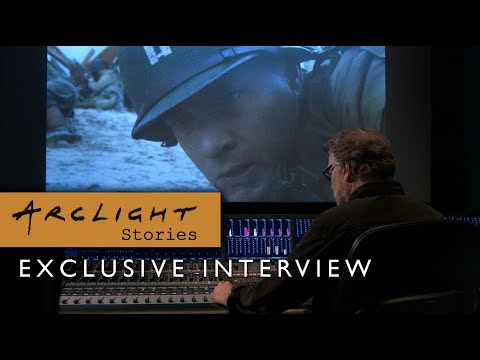
As technology continues to evolve, the future of sound mixing for film promises to reshape the cinematic experience in unprecedented ways. Innovations in artificial intelligence, immersive audio formats, and remote collaboration tools are setting the stage for a new era in sound design. Filmmakers are now able to create richer, more dynamic soundscapes that enhance storytelling and engage audiences like never before. This article explores the cutting-edge advancements transforming sound mixing and their potential to redefine how we experience film.
What innovations are shaping sound mixing in film?
Innovations shaping sound mixing in film include immersive audio technologies, AI-driven tools, spatial sound design, and advancements in digital audio workstations for enhanced creativity and efficiency.
What new technologies are shaping the future of sound mixing for film?
The future of sound mixing for film is being revolutionized by advancements in immersive audio technology. Spatial audio systems, like Dolby Atmos, are allowing sound designers to create a three-dimensional sound experience that envelops the audience. This technology enables sound to be placed and moved in a three-dimensional space, enhancing the emotional and psychological impact of a film. By providing a more nuanced sound environment, filmmakers can craft richer narratives that engage viewers on multiple sensory levels.
Artificial intelligence is also making significant strides in sound mixing. AI-driven tools can analyze audio tracks, automatically suggest enhancements, and even assist in dialogue editing. These innovations not only streamline the workflow for sound engineers but also allow for more creative freedom, as artists can focus on the artistic aspects of their work rather than labor-intensive technical tasks. The result is a more efficient production process and ultimately a higher quality of sound that complements the visual storytelling.
Furthermore, the rise of cloud-based collaboration platforms is transforming how sound professionals work together across distances. These platforms enable real-time collaboration, allowing teams from around the world to contribute to a project simultaneously. As remote work becomes commonplace, this technology facilitates seamless communication and sharing of resources, ensuring that sound mixing can be as dynamic and innovative as the films themselves. The combination of immersive audio, AI tools, and collaborative technology is setting the stage for a new era in film sound mixing.
How is virtual reality influencing sound mixing techniques in the film industry?
Virtual reality is revolutionizing sound mixing techniques in the film industry by introducing an immersive audio landscape that complements the visual experience. Traditional sound mixing often relies on stereo or surround sound formats, but VR demands a more nuanced approach. Sound designers are now tasked with creating three-dimensional audio that reacts dynamically to the viewer’s movements, allowing for a more engaging and realistic experience. This shift encourages a deeper exploration of soundscapes, where every element—from whispers to environmental noises—must be meticulously crafted to enhance the storytelling.
The integration of spatial audio technology has become a game-changer in VR sound mixing, enabling sound to be perceived from specific directions and distances. This level of precision allows filmmakers to guide audience attention and evoke emotions more effectively. For instance, a character’s voice may emanate from one direction, while ambient sounds fill the background, creating a layered auditory experience that mirrors real life. As a result, sound mixing is no longer just about balancing levels; it is now an art form that plays a pivotal role in narrative development.
As the film industry embraces virtual reality, sound mixing techniques are evolving to meet the demands of this new medium. Collaboration between sound designers, directors, and composers is becoming increasingly vital, fostering innovation and experimentation in audio production. With the potential for storytelling to be enriched through immersive soundscapes, the future of sound mixing in film is set to be as transformative as the visuals themselves, ultimately enhancing the audience’s connection to the narrative and the characters within it.
What role does artificial intelligence play in the evolution of sound mixing for movies?
Artificial intelligence is revolutionizing sound mixing in the film industry by streamlining processes and enhancing creativity. With AI-driven tools, sound engineers can analyze vast amounts of audio data, allowing for precise noise reduction, automated dialogue enhancement, and intelligent sound layering. This technology not only speeds up the mixing process but also opens up new possibilities for sound design by suggesting innovative effects and transitions that might not have been considered otherwise. As AI continues to evolve, it empowers sound professionals to focus on the artistic aspects of their work, ultimately leading to richer and more immersive cinematic experiences.
How can film sound mixers adapt to the changing landscape of audio production in the future?
As the landscape of audio production evolves, film sound mixers must embrace innovative technologies and techniques to stay relevant. The rise of immersive audio formats, such as Dolby Atmos, presents a significant opportunity for mixers to enhance storytelling through sound. By mastering these new tools, they can create richer, more engaging soundscapes that captivate audiences and elevate the cinematic experience. Continuous education and training in these emerging technologies will be vital for mixers to maintain their competitive edge.
Collaboration will also play a vital role in the future of film sound mixing. As productions become increasingly multidisciplinary, sound mixers will benefit from working closely with directors, editors, and visual effects teams. This collaborative approach fosters a more cohesive vision, where sound is intricately woven into the fabric of the film. By engaging in open communication and adapting to the creative needs of their peers, sound mixers can contribute to a more unified and impactful audio-visual narrative.
Moreover, the shift towards remote collaboration necessitates that sound mixers become proficient in digital audio workstations and online collaboration tools. As more projects move to virtual environments, mixers must adapt their workflows to ensure seamless integration with remote teams. By leveraging cloud-based technologies, they can maintain high-quality audio production while accommodating the changing dynamics of the film industry. Embracing these advancements will empower sound mixers to thrive in a rapidly evolving landscape, ultimately enhancing their craft and the overall quality of film sound.
Revolutionizing Audio: The Next Wave of Cinematic Sound
As technology advances, the realm of cinematic sound is undergoing a profound transformation, paving the way for an immersive auditory experience that captivates audiences like never before. Innovations such as spatial audio and object-based sound design are redefining how filmmakers craft their narratives, allowing sound to envelop viewers in a three-dimensional environment that enhances storytelling. With the integration of artificial intelligence and machine learning, soundscapes can now be tailored in real-time, adapting to viewer reactions and preferences, thus creating a personalized cinematic journey. This next wave of audio revolution not only elevates the emotional impact of films but also sets the stage for a new era where sound becomes an integral character in its own right, engaging audiences on a deeper level and reshaping the future of entertainment.
Elevating Experience: Cutting-Edge Techniques in Film Mixing
In the ever-evolving world of film production, the art of sound mixing has reached new heights, transforming the viewer’s experience into an immersive journey. Modern filmmakers are now harnessing cutting-edge techniques such as Dolby Atmos and object-based audio, allowing sound to move freely in a three-dimensional space. This innovation not only enhances the clarity of dialogue and the impact of sound effects but also creates an emotional resonance that captivates audiences, drawing them deeper into the narrative.
As technology continues to advance, the integration of AI-driven tools is revolutionizing the mixing process, enabling sound engineers to achieve unparalleled precision and creativity. These tools streamline workflows and facilitate real-time collaboration, allowing artists to experiment with soundscapes in ways previously unimaginable. By embracing these advancements, filmmakers are not just elevating the auditory aspects of their work; they are crafting a holistic experience that leaves lasting impressions and transforms the way stories are told on screen.
Shaping Tomorrow’s Soundscapes: Advances in Film Audio Technology
As filmmakers continue to push the boundaries of storytelling, advances in audio technology are revolutionizing the soundscapes that immerse audiences in cinematic experiences. Innovative techniques such as spatial audio and immersive sound design allow for a more profound emotional connection, transforming how viewers perceive and engage with narratives. With tools like object-based audio and AI-driven sound mixing, sound engineers can create richly layered environments that respond dynamically to the action on screen. This evolution not only enhances the realism of films but also opens new avenues for creative expression, ensuring that the art of storytelling evolves harmoniously with technology. As we embrace these cutting-edge advancements, the future of film audio promises to deliver experiences that resonate deeply, shaping how stories are told and felt for generations to come.
The future of sound mixing for film promises an exciting evolution, driven by advancements in technology and the growing importance of immersive audio experiences. As filmmakers embrace innovative tools and techniques, audiences will enjoy a more captivating and emotionally resonant connection to stories told on screen. With the rise of spatial audio, AI-assisted mixing, and enhanced collaboration across disciplines, the art of sound mixing is set to redefine cinematic storytelling, ensuring that every note and nuance amplifies the magic of film for years to come.
