
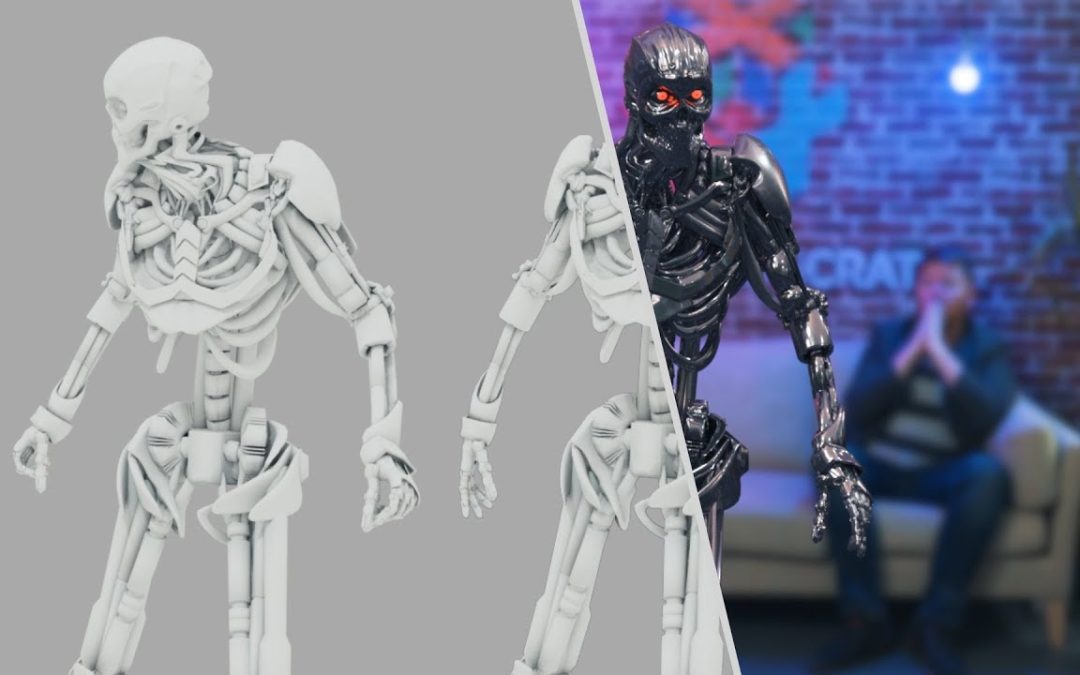
Creating realistic CGI can transform ordinary visuals into breathtaking masterpieces. Whether you’re an aspiring artist or a seasoned professional, understanding the nuances of digital creation is essential. This article offers essential tips for creating realistic CGI, from mastering lighting and textures to utilizing advanced software techniques. Dive in to discover how to elevate your CGI projects and captivate your audience with stunning, lifelike imagery.
What are essential tips for realistic CGI?
Use high-quality textures, pay attention to lighting, incorporate realistic physics, focus on details, and ensure proper color grading for a lifelike appearance.
What techniques can be used to enhance the realism of CGI?
To elevate the realism of CGI, one effective technique is to increase contrast. CGI images often exhibit striking colors that can appear overly vibrant. By utilizing tools like curves or levels, you can enhance the image’s depth, ensuring that shadows and highlights are more pronounced. This adjustment not only adds dimension but also helps the CGI blend seamlessly with live-action elements.
Another essential method is color grading. Applying color filters or Look-Up Tables (LUTs) can impart a stylized aesthetic that grounds the CGI in a more believable context. By carefully selecting color palettes that complement the scene’s mood and lighting, you can achieve a cohesive visual narrative that resonates with viewers, making the CGI feel like an integral part of the story.
Incorporating depth of field is also decisivo for creating a realistic CGI environment. By strategically blurring the background or foreground, you can simulate how the human eye naturally focuses on specific elements within a scene. This technique not only enhances the visual appeal but also directs the audience’s attention, adding a layer of realism that draws them deeper into the CGI world.
What makes CGI appear so realistic?
CGI, or computer-generated imagery, achieves its stunning realism through meticulous attention to detail. Designers start by crafting intricate graphics, focusing on elements like texture, color, and lighting to ensure that every aspect mimics the natural world. This careful calibration allows CGI to create lifelike visuals that resonate with audiences, enhancing the overall cinematic experience.
Once the graphics are perfected, they are seamlessly integrated into the film. The success of CGI hinges on how well it harmonizes with live-action footage, creating a cohesive visual narrative. When executed effectively, CGI not only complements the storyline but also immerses viewers in a believable and captivating universe.
What techniques do people use to create realistic animations?
Creating realistic animations involves a blend of artistic skill and technical expertise. Animators start with a solid understanding of movement principles, studying real-life motions and behaviors to capture the nuances of their subjects. Utilizing advanced software, they model characters and environments with attention to detail, ensuring textures, lighting, and physics align with reality. Rigging and keyframing techniques help bring characters to life, while motion capture can add an extra layer of authenticity by translating human movements directly into digital models. Finally, meticulous editing and refinement polish the animation, making it seamless and immersive for viewers.
Unlock the Secrets of Photorealistic Imagery
In a world where visual storytelling reigns supreme, mastering the art of photorealistic imagery can elevate your creative projects to new heights. By understanding the intricate interplay of light, texture, and color, artists and photographers can create breathtaking visuals that captivate audiences and evoke genuine emotions. Techniques such as careful composition, strategic lighting, and advanced digital tools enable creators to transform ordinary scenes into stunning works of art that blur the line between reality and imagination.
Delving into the secrets behind photorealism opens a treasure trove of possibilities for both seasoned professionals and aspiring enthusiasts. By studying the nuances of natural environments, human expressions, and everyday objects, one can develop a keen eye for detail that enhances the overall impact of their work. Whether through traditional mediums or cutting-edge digital platforms, the journey to mastering photorealistic imagery is not only rewarding but also an invitation to explore the beauty of the world around us with fresh perspectives.
Elevate Your CGI Skills with Proven Strategies
In the fast-evolving world of computer-generated imagery, mastering your skills is essential to stand out in a competitive landscape. By focusing on the fundamentals of 3D modeling, texturing, and lighting, you can build a strong foundation that will enhance your creative capabilities. Engaging with online tutorials, participating in forums, and studying industry-standard software will not only improve your technical proficiency but also inspire innovative ideas that elevate your projects.
Collaboration plays a critical role in refining your CGI skills. By connecting with other artists, you can gain valuable insights into different techniques and workflows. Participating in collaborative projects or joining CGI communities will expose you to diverse perspectives, pushing you to experiment and expand your skill set. Constructive feedback from peers can be a game-changer, helping you identify areas for improvement and motivating you to strive for excellence.
Lastly, staying updated on industry trends and emerging technologies is vital for any CGI artist. Following influential artists, attending webinars, and exploring the latest software advancements will keep your work relevant and cutting-edge. By continuously challenging yourself through practice and exploration, you’ll not only enhance your technical abilities but also cultivate a unique artistic voice that sets your work apart. Embrace these strategies, and watch your CGI skills soar to new heights.
Transform Your Visuals: Techniques for Realism
Enhancing the realism of your visuals requires a keen understanding of light, texture, and composition. Begin by mastering natural lighting techniques to create depth and dimension, allowing shadows and highlights to bring your subjects to life. Incorporate high-quality textures that mimic real-world surfaces, adding layers of detail that engage the viewer’s senses. Finally, consider the principles of composition, such as the rule of thirds and leading lines, to guide the eye and create a balanced, captivating image. By combining these techniques, you can transform your visuals into striking representations that resonate with authenticity and emotional impact.
From Novice to Pro: Master CGI Essentials
Embarking on the journey to master CGI essentials begins with understanding the foundational tools that drive this captivating art form. Familiarizing yourself with software such as Blender, Maya, or Cinema 4D is decisivo, as these platforms offer a range of features that cater to every level of skill. Start by honing your skills in basic modeling and texturing, which will serve as the building blocks for more complex projects. Online tutorials and community forums can provide valuable insights and support, helping you to navigate the initial learning curve with ease.
As you gain confidence in your abilities, it’s time to delve into more advanced techniques like lighting, rigging, and animation. These elements are essential for bringing your creations to life and adding depth to your work. Experimenting with different styles and genres can also expand your creative horizons, allowing you to find your unique voice within the CGI landscape. Joining online challenges or collaborating with other artists can further enhance your growth, pushing you to explore new ideas and refine your skills.
Finally, the transition from novice to pro is marked by the development of a personal portfolio that showcases your best work. A well-curated collection not only highlights your technical proficiency but also reflects your artistic vision and style. Share your creations on platforms like ArtStation or Behance, where you can connect with other professionals and receive constructive feedback. Staying up-to-date with industry trends and continually seeking out new learning opportunities will ensure that your skills remain sharp, setting you on the path to becoming a truly accomplished CGI artist.
Create Stunning Visuals: Tips for Every Artist
Creating stunning visuals begins with a strong foundation in design principles. Understanding concepts such as balance, contrast, and color theory can transform an ordinary piece into a captivating masterpiece. Artists should take time to study these elements, experimenting with different combinations to see how they affect the overall impact of their work. This exploration not only enhances technical skills but also broadens creative horizons, allowing for innovative expression.
In addition to mastering design principles, leveraging technology can elevate artistic creations. Digital tools offer a plethora of options for effects, textures, and enhancements that can bring a unique flair to traditional techniques. Artists are encouraged to explore software that aligns with their style, allowing them to manipulate their visuals in ways that were previously unimaginable. This fusion of traditional artistry and modern technology can lead to stunning, one-of-a-kind pieces that resonate with audiences.
Finally, the importance of storytelling cannot be overlooked when creating visuals. Every piece should aim to convey a message or evoke emotion, inviting viewers into the artist’s world. Artists can achieve this by incorporating personal experiences or themes that resonate with their audience. By focusing on narrative elements, visuals become more than just images; they transform into powerful tools for connection and communication, leaving a lasting impression on all who encounter them.
By incorporating these tips for creating realistic CGI, artists can elevate their work to new heights, blending imagination with authenticity. Mastering lighting, texture, and attention to detail not only enhances visual appeal but also captivates audiences, making them believe in the worlds crafted from pixels. As technology continues to advance, the potential for stunning realism in CGI expands, offering endless opportunities for innovation and creativity in digital storytelling.
