
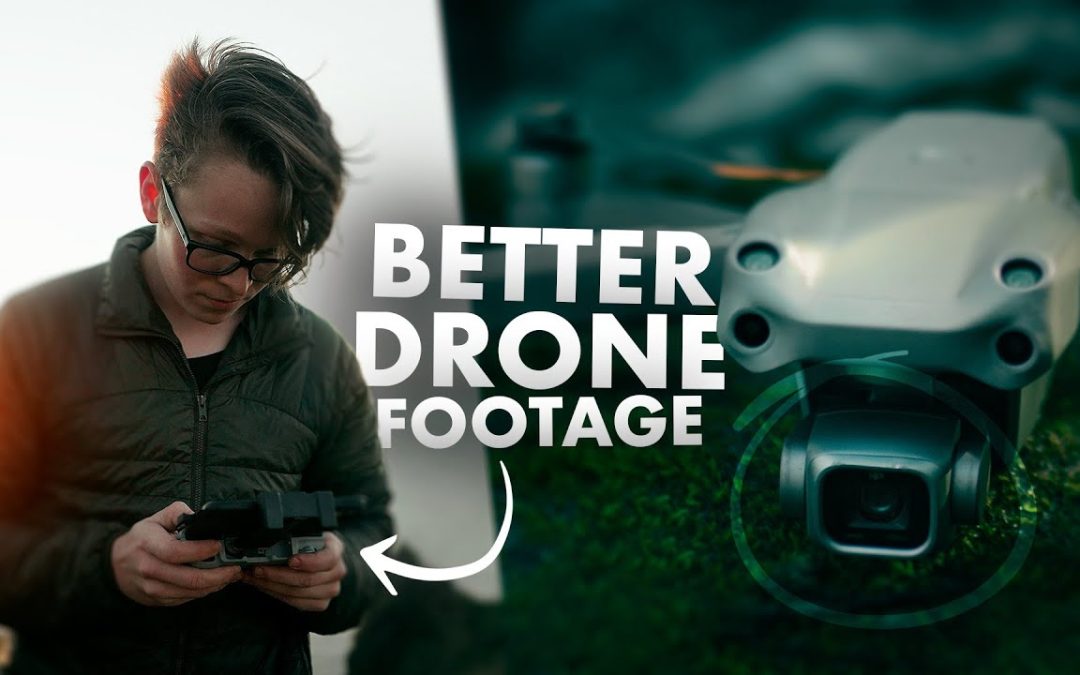
As the world of filmmaking continues to evolve, drones have emerged as a game-changing tool for capturing stunning aerial footage and unique perspectives. However, mastering the art of drone cinematography requires more than just flying skills; it demands an understanding of technique, composition, and safety regulations. In this article, we’ll explore essential tips for using drones in filmmaking, helping you elevate your visual storytelling and create breathtaking scenes that will captivate your audience.
What are essential tips for drone filmmaking success?
Plan your shots, know the regulations, practice flying, use stabilization, and consider lighting and composition for effective drone filmmaking.
What are the essential tips for capturing high-quality aerial footage with a drone in filmmaking?
To capture high-quality aerial footage with a drone, start by familiarizing yourself with the drone’s capabilities and settings. Understanding aspects such as camera resolution, frame rates, and exposure settings is crítico. Prioritize shooting during the golden hours—early morning or late afternoon—when the light is soft and warm, enhancing the visual appeal of your footage. Additionally, plan your shots with purpose; consider the composition, angles, and movement to create dynamic sequences that tell a story.
Stability is key in aerial filmmaking, so invest in a gimbal or ensure your drone has built-in stabilization features. Practice smooth, controlled movements while flying, as sudden jerks can detract from the quality of your footage. Lastly, be mindful of local regulations and airspace restrictions to ensure a safe and legal flying experience. By combining technical knowledge with creative vision, you can elevate your aerial footage to new heights.
How can I ensure compliance with local regulations and safety guidelines when using a drone for filming?
To ensure compliance with local regulations and safety guidelines when using a drone for filming, start by researching the specific laws governing drone use in your area, including registration requirements and flight restrictions. Familiarize yourself with no-fly zones, altitude limits, and any necessary permits for commercial operations. Consider attending a drone safety course to enhance your understanding of best practices and operational safety. Additionally, maintain constant communication with local authorities and air traffic control when filming in populated or sensitive areas. By prioritizing safety and remaining informed, you can enjoy a successful and responsible drone filming experience.
What are the best practices for planning and executing drone shots in various filming environments?
Planning and executing drone shots effectively requires careful consideration of the filming environment, optimal timing, and safety protocols. Begin by scouting locations to identify unique vantage points and potential obstacles, ensuring compliance with local regulations and airspace restrictions. Utilize the golden hours—early morning or late afternoon—when natural lighting enhances the visual appeal of your shots. Create a detailed flight plan that includes predetermined paths, altitudes, and angles to maintain consistency and avoid surprises during filming. Additionally, practice piloting skills in similar environments to enhance maneuverability and responsiveness, while always prioritizing safety by conducting pre-flight checks and having an emergency plan in place. Emphasizing these best practices will elevate the quality of your drone footage, making it visually stunning and professionally executed.
Elevate Your Shots: Techniques for Stunning Aerial Footage
Capturing breathtaking aerial footage requires a blend of creativity and technical expertise. Start by selecting the right time of day; the golden hour—shortly after sunrise or before sunset—offers soft, diffused light that enhances the colors and textures of your landscape. Experiment with different altitudes and angles to create dynamic shots that showcase depth and perspective. Incorporating movement, whether through smooth drone maneuvers or gradual camera pans, can add a cinematic quality that draws viewers in and keeps them engaged.
Post-production plays a crítico role in elevating your aerial shots further. Utilize color grading to enhance the natural beauty of your footage, making colors pop while maintaining a realistic feel. Adding subtle transitions and overlays can create a polished look that captivates your audience. Additionally, consider incorporating sound design—natural sounds or a fitting soundtrack can transform your visuals into an immersive experience. By combining thoughtful shooting techniques with skilled editing, you can create stunning aerial footage that leaves a lasting impression.
From Takeoff to Edit: A Complete Guide to Drone Filmmaking
Discover the exhilarating world of drone filmmaking, where stunning aerial perspectives transform ordinary scenes into extraordinary visual narratives. This comprehensive guide takes you through every stage of the process, from selecting the right drone and mastering flight techniques to capturing breathtaking footage and editing it into a polished final product. Whether you’re a beginner eager to explore the skies or an experienced filmmaker looking to elevate your craft, our step-by-step approach empowers you with the essential skills and insights needed to create captivating aerial films that leave a lasting impact. Embrace the adventure and unlock your creative potential in the skies!
Capture the Sky: Insider Tips for Breathtaking Drone Videos
Capturing stunning aerial footage requires more than just a drone; it demands an understanding of both technology and technique. Start by familiarizing yourself with your drone’s capabilities, including its camera settings and flight modes. Time your flights to coincide with the golden hour, either early in the morning or late in the afternoon, when natural light is soft and warm. Experiment with different angles and altitudes to find the most compelling perspectives, and don’t hesitate to scout locations beforehand to identify unique features that will enhance your videos.
Post-production is equally vital to creating breathtaking drone videos. Utilize editing software to enhance colors, stabilize footage, and trim unnecessary clips for a seamless narrative flow. Incorporating music and sound effects can elevate your video and create an emotional connection with viewers. Finally, consider sharing your work on social media platforms and engaging with drone enthusiasts to gather feedback and inspiration for future projects. With practice and creativity, your aerial cinematography can truly capture the beauty of the sky and the world below.
Mastering the art of drone filmmaking opens up a world of creative possibilities, allowing filmmakers to capture breathtaking aerial shots that elevate their storytelling. By adhering to safety guidelines, understanding the technology, and planning shots meticulously, you can harness the full potential of drones in your projects. Embrace these tips, and watch as your films soar to new heights, captivating audiences with stunning visuals and dynamic perspectives.
