
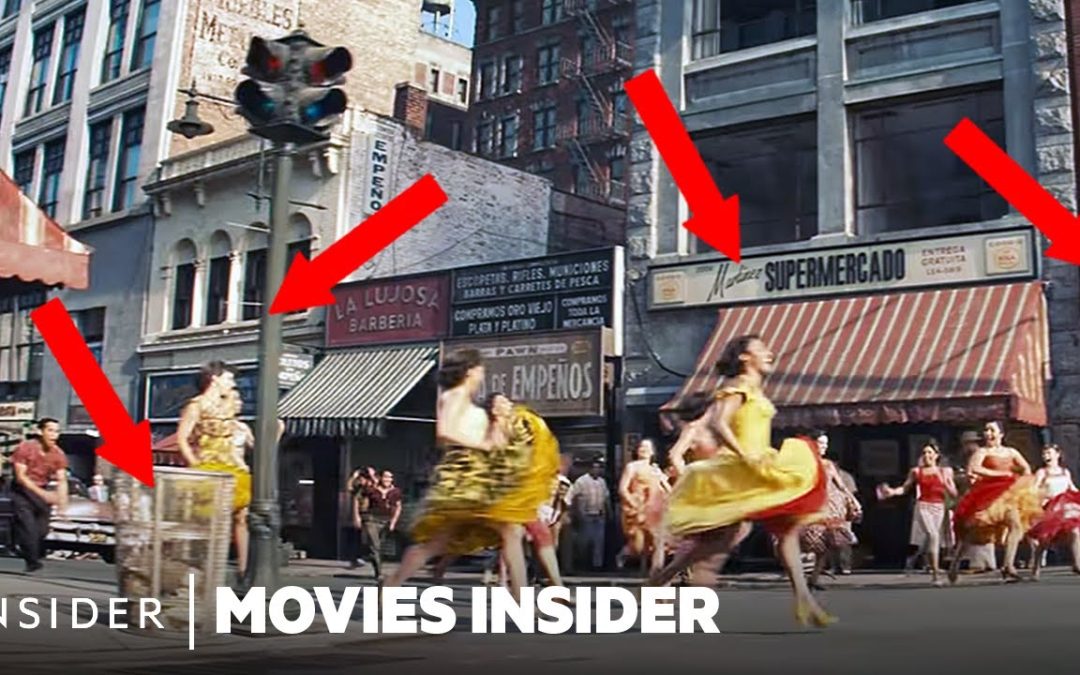
Filming in urban environments presents a unique blend of challenges and opportunities for filmmakers. As cities pulse with vibrant life, they offer a rich tapestry of stories waiting to be captured on camera. From navigating bustling streets to harnessing the dynamic interplay of light and architecture, understanding the nuances of urban filming is essential for creating compelling visuals. This article delves into the essential techniques and considerations that can transform a cityscape into a captivating backdrop, ensuring that every shot resonates with authenticity and creativity.
What challenges arise when filming in cities?
Challenges of filming in cities include noise, crowds, permissions, limited space, and navigating traffic, which can disrupt production and require careful planning.
What are the key considerations for filming in urban environments?
Filming in urban environments offers a dynamic backdrop but requires careful planning to navigate the complexities of city life. One of the primary considerations is obtaining the necessary permits, as many cities have regulations governing film shoots to ensure public safety and minimize disruption. Understanding local laws and engaging with city officials early in the planning process can facilitate smoother operations and help avoid costly delays.
Another imprescindible element is managing logistics, including transportation, equipment access, and crew coordination in bustling settings. Urban areas often present challenges such as limited space for setup, noise interference, and unpredictable weather. Thorough scouting of locations is essential to identify the best spots that not only meet creative needs but also provide practical solutions for managing equipment and personnel.
Finally, fostering positive relationships with the local community can enhance the filming experience. Engaging with residents and businesses can lead to valuable insights about the neighborhood, as well as support for the project. By being respectful and communicative, filmmakers can create a collaborative atmosphere that enriches the production while minimizing potential conflicts, resulting in a more successful and enjoyable filming experience.
How do I obtain the necessary permits for filming in a city?
To obtain the necessary permits for filming in a city, start by researching the specific regulations and requirements of the local film office or permitting authority. Each city has its own guidelines, so visit their official website to find information on required documentation, application forms, and fees. Prepare a detailed project proposal that outlines your filming schedule, locations, and any potential disruptions to public spaces. Submit your application well in advance to allow for processing time, and be ready to address any questions or concerns from city officials. Engaging with local stakeholders and communities can also smooth the process, ensuring a successful filming experience.
Unlock the Secrets of City Cinematography
City cinematography is an art form that transforms urban landscapes into captivating visual narratives. By mastering the interplay of light and shadow, filmmakers can highlight the unique character of each street, building, and skyline. Utilizing techniques such as dynamic camera movements and creative framing, they can evoke emotions that resonate with audiences, turning mundane city scenes into breathtaking spectacles. Whether capturing the hustle and bustle of a busy marketplace or the serene beauty of a quiet alley, the secrets of city cinematography lie in the ability to see the extraordinary in the everyday, inviting viewers to explore the hidden stories woven within the fabric of urban life.
Capture the Urban Landscape Like a Pro
To truly capture the essence of the urban landscape, one must embrace both the chaos and beauty inherent in city life. Start by scouting unique angles that highlight architectural contrasts, whether it’s the sleek lines of modern skyscrapers juxtaposed with historic buildings or the vibrant street art that breathes life into dull alleyways. Pay attention to the interplay of light and shadow, especially during the golden hours of sunrise and sunset, when the city transforms into a canvas of warm hues. Finally, immerse yourself in the local culture; candid moments of people in their environment can evoke powerful stories, making your photographs resonate with authenticity and emotion. With these techniques, you’ll elevate your urban photography, turning ordinary scenes into extraordinary visual narratives.
Elevate Your Filmmaking Skills in the City
Immerse yourself in the vibrant world of filmmaking right in the heart of the city, where every street corner tells a story waiting to be captured. With diverse neighborhoods, unique architecture, and bustling life as your backdrop, you’ll find endless inspiration for your creative projects. Take advantage of local workshops, film festivals, and networking events to hone your skills and connect with fellow filmmakers who share your passion. Whether you’re a novice or an experienced creator, the city offers a dynamic environment to elevate your storytelling techniques and transform your cinematic vision into reality.
Transform Everyday Scenes into Stunning Visuals
Everyday scenes often hold untapped potential for breathtaking visuals. A simple morning commute, for instance, can transform into a captivating narrative through the lens of creativity. The interplay of light, shadows, and colors in urban landscapes can evoke emotions and tell stories that resonate with viewers. By observing the mundane from a fresh perspective, we can capture the beauty hidden in plain sight.
Nature, too, offers an abundant canvas for stunning visuals. A walk in the park or a stroll along the beach can reveal intricate details that often go unnoticed. The vibrant hues of flowers, the gentle ripple of water, and the soft rustle of leaves all create a symphony of sights that can be immortalized through photography or painting. By focusing on these elements, we can elevate everyday experiences into extraordinary works of art.
Moreover, the power of storytelling enhances the visual impact of these scenes. Incorporating personal narratives or cultural contexts can add depth and meaning to the images we create. Whether it’s a candid moment shared with a friend or the quiet solitude of a sunset, these stories invite viewers to connect on a more profound level. By transforming ordinary moments into stunning visuals, we not only celebrate the beauty around us but also inspire others to see the world through a more artistic lens.
Navigate the Art of Filming in Urban Environments
Filming in urban environments offers a unique blend of vibrant energy and diverse backdrops that can elevate any project. The key to capturing the essence of a city lies in understanding its rhythm and character. From bustling streets to quiet alleyways, every corner presents an opportunity for storytelling. Utilizing natural lighting during golden hours can enhance the visual appeal, while incorporating local landmarks adds authenticity and depth to your narrative.
However, navigating the complexities of urban settings requires careful planning and adaptability. Consider scouting locations ahead of time to identify potential challenges such as foot traffic, noise, and permitting requirements. Engage with local communities to gain insights and foster goodwill, which can lead to unexpected opportunities. By embracing the dynamic nature of city life and remaining flexible, filmmakers can create compelling visuals that resonate with audiences while showcasing the true spirit of urban landscapes.
Mastering the art of filming in urban environments opens up a world of creative possibilities, allowing filmmakers to capture the essence of city life in its myriad forms. By embracing the unique challenges and opportunities presented by urban landscapes, storytellers can transform bustling streets, vibrant neighborhoods, and iconic landmarks into captivating visual narratives. With a keen eye for detail and a deep appreciation for the interplay of light, sound, and movement, filmmakers can elevate their craft, engaging audiences and bringing cities to life on screen in ways that resonate long after the credits roll.
