
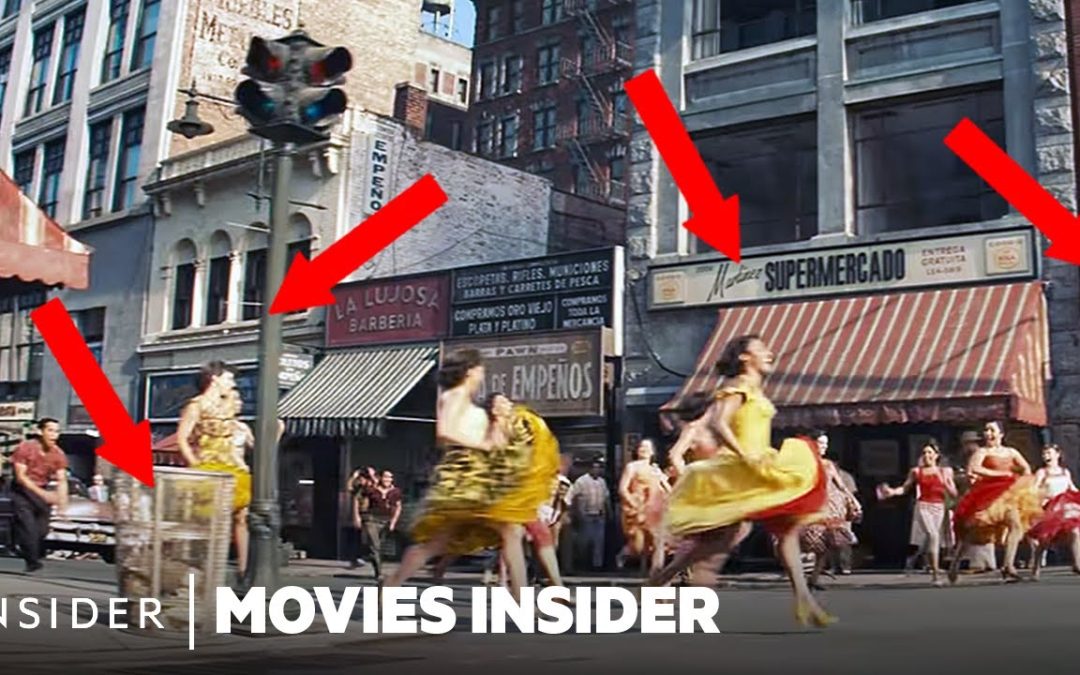
Filming in urban environments presents a unique set of challenges and opportunities for filmmakers. From the vibrant architecture and dynamic street life to the complexities of navigating permits and public spaces, understanding the intricacies of urban filming is essential for capturing the essence of a city. This article explores the key considerations and creative strategies that can enhance the filmmaking process in bustling metropolitan settings, ensuring that storytellers not only showcase the urban landscape but also embrace its rich cultural tapestry.
What challenges arise when filming in cities?
Filming in cities poses challenges like noise, limited space, permits, traffic disruptions, and unpredictable weather, making planning and coordination essential for success.
- Location Scouting: Identifying and assessing suitable urban locations that align with the film’s narrative and aesthetic, while considering factors like accessibility, lighting, and sound.
- Permits and Regulations: Navigating the legal requirements for filming in public spaces, including obtaining necessary permits and adhering to local regulations to avoid disruptions.
- Urban Soundscapes: Managing and mitigating the impact of ambient noise in urban settings, which can affect audio quality, and exploring ways to capture authentic soundscapes.
- Safety and Logistics: Ensuring the safety of the cast, crew, and the public during filming by implementing effective logistical planning, crowd control measures, and risk assessments.
What are the key challenges of filming in urban environments?
Filming in urban environments presents a unique set of challenges that can significantly impact production. One of the primary difficulties is navigating the complexity of city regulations, which often necessitate permits for filming in public spaces, resulting in potential delays. Additionally, the unpredictable nature of urban life—such as traffic congestion, noise pollution, and the presence of large crowds—can disrupt shooting schedules and compromise audio quality. Moreover, securing locations that offer the desired aesthetic while ensuring safety and accessibility can be a daunting task. These factors demand meticulous planning and adaptability from filmmakers to create compelling narratives amidst the hustle and bustle of city life.
How can filmmakers obtain permits for shooting in city locations?
Filmmakers looking to shoot in city locations can begin by contacting the local film office or municipal authority responsible for managing filming permits. These offices often provide comprehensive guidelines and application procedures, ensuring that filmmakers understand the requirements specific to their desired location. It’s essential to gather all necessary information, such as production dates, crew size, and the nature of the shoot, to facilitate a smooth application process.
Once the initial contact is made, filmmakers should prepare a detailed proposal that outlines the project’s scope and potential impact on the area. This proposal may include aspects such as traffic management plans, noise control measures, and provisions for public safety. By demonstrating awareness of the community’s needs and concerns, filmmakers can foster goodwill and enhance their chances of securing the required permits.
In addition to obtaining permits, filmmakers should consider engaging with local stakeholders, such as businesses and residents, to build support for their project. Effective communication can lead to collaboration and may even open up additional resources or locations for filming. By following the proper channels and respecting the community, filmmakers can successfully navigate the permitting process and bring their vision to life in vibrant urban settings.
What equipment is best suited for filming in crowded urban areas?
When filming in crowded urban areas, portability and versatility are key. A lightweight camera with excellent stabilization features, such as a mirrorless camera, allows filmmakers to capture dynamic shots without drawing too much attention. Pairing it with a compact, high-quality lens ensures flexibility in various lighting conditions while keeping the setup unobtrusive. Additionally, using a gimbal can help achieve smooth footage despite the hustle and bustle of the city, making it easier to navigate through crowds and capture spontaneous moments.
Incorporating sound equipment that is both portable and effective is equally important. A shotgun microphone with a windscreen can help isolate dialogue and reduce background noise, while a portable audio recorder offers the flexibility to capture high-quality sound without being tethered to the camera. Utilizing a small drone can also provide unique aerial perspectives, enhancing the storytelling potential in an urban landscape. Together, these tools create a powerful yet discreet filming setup, perfect for navigating the vibrant energy of city life.
How can sound quality be managed when filming in busy city streets?
Filming in busy city streets presents unique challenges for sound quality, but effective management strategies can significantly enhance audio clarity. Utilizing directional microphones can help capture clear dialogue while minimizing background noise, as they focus on sound coming from a specific direction. Additionally, employing windshields on microphones can prevent wind interference, which is common in outdoor settings. Careful planning of the shooting schedule to avoid peak hours can also contribute to reducing unwanted ambient noise.
Another effective approach is to use portable sound recording equipment that allows for post-production editing. This enables sound engineers to isolate and enhance dialogue while reducing disruptive street sounds. Implementing sound blankets or barriers can further help absorb excess noise during critical takes. By combining these techniques, filmmakers can create a polished audio experience, even amidst the hustle and bustle of urban life, ensuring that the vibrant atmosphere of the city complements rather than detracts from the storytelling.
Elevate Your Cinematic Vision
In a world where storytelling transcends boundaries, the power of cinematography has never been more vital. By harnessing the art of visual composition and innovative techniques, filmmakers can create immersive experiences that resonate deeply with audiences. Elevating your cinematic vision means going beyond traditional methods; it’s about embracing new technologies and artistic perspectives that breathe life into narratives, making them unforgettable.
The integration of cutting-edge tools such as drones, 4K cameras, and advanced editing software opens up endless possibilities for creativity. Filmmakers can explore new angles, capture breathtaking landscapes, and manipulate light in ways that enhance the mood and tone of their stories. This not only enriches the visual appeal but also allows for a more profound emotional connection with viewers, inviting them into a world where every frame tells a story.
Moreover, collaboration with talented professionals in the industry can further elevate your cinematic vision. By working alongside skilled directors, cinematographers, and editors, you can cultivate a unique aesthetic that sets your work apart. Emphasizing teamwork and shared creativity fosters an environment where innovative ideas flourish, ultimately leading to a cinematic masterpiece that captivates and inspires. Embrace the journey of exploration and collaboration, and watch your artistic vision transform into a stunning reality that resonates with audiences around the globe.
Capture the City Like a Pro
Exploring a city through the lens of a camera can transform a simple stroll into an artistic adventure. To capture the essence of urban life, start by observing your surroundings with fresh eyes. Look for unique architecture, vibrant street art, and candid moments that tell a story. The key is to find compelling subjects that resonate with you and evoke the spirit of the city.
Lighting plays a esencial role in photography, so timing your shots can make all the difference. Early mornings and late afternoons offer a soft, golden glow that enhances details and creates striking contrasts. Don’t shy away from experimenting with different angles and perspectives; sometimes, the most unexpected viewpoint yields the most captivating images. Remember, patience is essential—wait for the right moment when the scene unfolds naturally.
Post-processing can elevate your images from good to stunning. Utilize editing software to enhance colors, adjust exposure, and crop for better composition. However, aim for a balance that maintains the authenticity of the scene. Share your work with others, whether through social media or local exhibitions, to inspire fellow photographers and connect with the community. By honing your skills and embracing creativity, you’ll capture the city like a true pro.
Unleashing Creativity in Urban Landscapes
Urban landscapes are often perceived as rigid and chaotic, but they hold immense potential for creativity. By transforming vacant lots, abandoned buildings, and underutilized spaces into vibrant art installations and community gathering spots, cities can breathe new life into their environments. This creative evolution not only enhances the aesthetic appeal of urban areas but also fosters a sense of community, encouraging collaboration among artists, residents, and local businesses.
As cities embrace innovative design and artistic expression, they become canvases for imagination and inspiration. Initiatives like pop-up parks, mural projects, and interactive art exhibits invite citizens to engage with their surroundings in meaningful ways. By prioritizing creativity in urban planning, cities can cultivate a dynamic atmosphere that celebrates diversity and encourages exploration, ultimately enriching the lives of all who inhabit them.
From Streets to Screens: Filmmaking Essentials
Filmmaking has evolved dramatically in recent years, transitioning from humble street corners to the dynamic realm of digital screens. Today, aspiring filmmakers can harness the power of technology to tell their stories with unprecedented creativity and accessibility. The rise of smartphones and affordable production equipment has opened doors for diverse voices, enabling anyone with a passion for storytelling to create compelling narratives that resonate with audiences worldwide.
Central to this filmmaking revolution is the importance of mastering the essentials. Understanding the fundamentals of cinematography, sound design, and editing is esencial for transforming a vision into a polished final product. Filmmakers must also embrace the art of storytelling, crafting engaging scripts that capture the audience’s attention from the first frame to the last. By honing these skills, creators can elevate their work, ensuring it stands out in a crowded digital landscape.
As filmmakers continue to innovate and push boundaries, the convergence of street culture and cinematic artistry has never been more evident. Collaborations with local artists, community involvement, and grassroots funding are reshaping the industry, allowing for authentic narratives that reflect diverse experiences. The future of filmmaking promises to be a vibrant tapestry woven from the threads of creativity, technology, and community, inviting everyone to participate in the storytelling journey.
Transforming Urban Spaces into Visual Stories
In the heart of bustling cities, the transformation of urban spaces into visual stories breathes new life into forgotten corners and neglected facades. Through vibrant murals, innovative sculptures, and immersive installations, artists are weaving narratives that resonate with the community, highlighting cultural heritage and sparking conversations. These creative interventions not only enhance the aesthetic appeal but also foster a sense of belonging, inviting residents and visitors alike to engage with their surroundings in meaningful ways. As cities evolve, the power of art to tell stories and inspire connections becomes increasingly vital, turning everyday spaces into dynamic canvases of expression.
Mastering the art of filming in urban environments opens a world of creative possibilities, allowing filmmakers to capture the vibrant pulse of city life. By embracing the unique challenges posed by bustling streets, diverse architecture, and unpredictable weather, storytellers can craft compelling narratives that resonate with audiences. With the right techniques and an innovative mindset, urban landscapes can transform into dynamic backdrops that enhance visual storytelling and evoke powerful emotions.
