
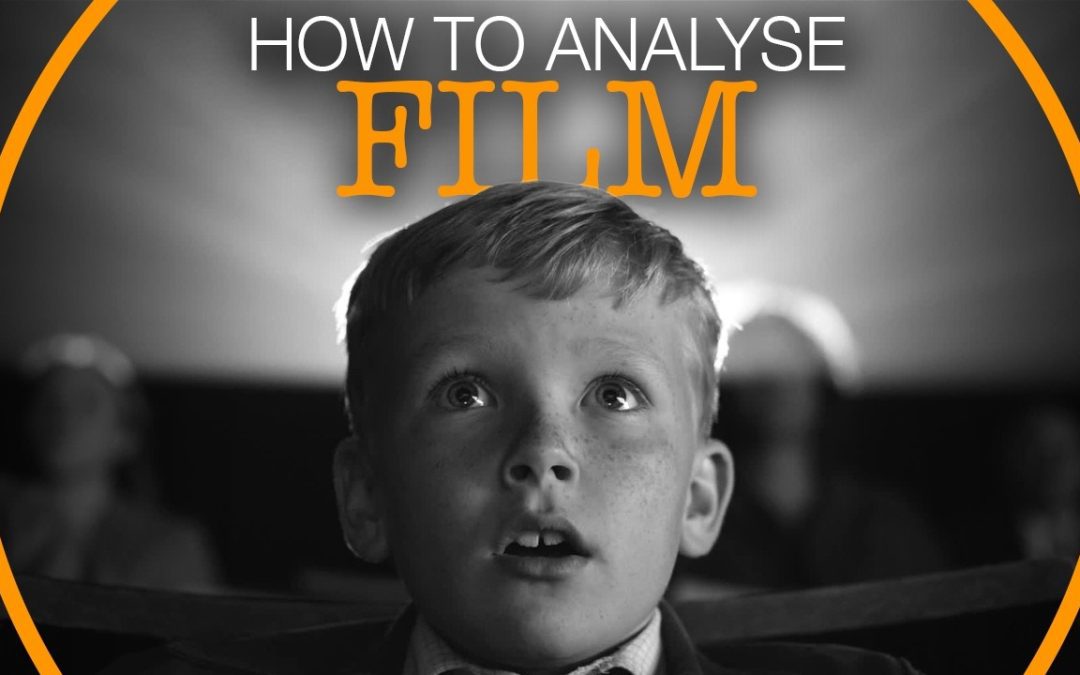
Analyzing iconic film scenes offers a fascinating glimpse into the artistry and storytelling techniques that define cinema. From unforgettable dialogues to striking visuals, these moments often encapsulate the essence of a film, leaving a lasting impact on audiences. In this article, we will explore the key elements that make these scenes resonate, providing insights into the creative choices behind them and the emotions they evoke. Whether you’re a film enthusiast or a budding filmmaker, understanding these pivotal moments can enhance your appreciation for the craft and inspire your own storytelling journey.
How do iconic film scenes influence storytelling?
Iconic film scenes shape storytelling by creating emotional connections, emphasizing themes, and establishing memorable character moments that resonate with audiences.
What techniques can I use to effectively analyze iconic film scenes?
To effectively analyze iconic film scenes, start by breaking down the visual elements, such as composition, lighting, and color. Examine how these elements contribute to the mood and narrative. Pay attention to camera angles and movement, as they can reveal character emotions and relationships. Additionally, consider the use of sound and music; these auditory components often enhance the visual storytelling and evoke specific feelings in the audience.
Beyond the technical aspects, delve into the thematic significance of the scene. Reflect on the character development and how the scene fits within the overall narrative arc. Analyze the dialogue and subtext to uncover deeper meanings and social commentary. By merging visual and thematic analysis, you can gain a comprehensive understanding of why certain scenes resonate with audiences and solidify their place in cinematic history.
How do cultural and historical contexts influence the interpretation of film scenes?
Cultural and historical contexts play a pivotal role in shaping the interpretation of film scenes, as they provide the backdrop against which audiences understand characters, themes, and narratives. For instance, a scene depicting conflict may resonate differently depending on the viewer’s cultural background or historical knowledge. A film set during a specific era, such as the Civil Rights Movement in the United States, can evoke a sense of urgency and relevance for audiences familiar with that history, while others might miss the deeper implications without that context.
Moreover, cultural references embedded in film can lead to varied interpretations based on the viewer’s experiences and societal norms. A humorous scene laden with regional slang may elicit laughter from some, while others may find it confusing or unrelatable. This disparity highlights how the shared knowledge and values of a culture influence audience reactions, shaping their understanding of the film’s intent and emotional weight. When filmmakers incorporate culturally specific elements, they invite viewers to engage more deeply, but they also risk alienating those outside that cultural framework.
Finally, the evolving nature of societal norms and historical perspectives can change the way scenes are perceived over time. A film that may have been celebrated in its release might be scrutinized in a contemporary context due to shifts in social values or awareness of historical injustices. This dynamic interaction between film and its cultural milieu ensures that interpretations are not static but rather evolve as societies change, allowing audiences to derive new meanings and insights from the same scenes as they reflect on their own contexts.
What are some common themes found in iconic film scenes that enhance their impact?
Iconic film scenes often share common themes that elevate their emotional resonance and memorability. One prevalent theme is the exploration of human connection, where moments of love, loss, or sacrifice forge deep bonds between characters and audiences alike. Another significant theme is the confrontation of inner conflict, as characters grapple with their fears or desires, allowing viewers to empathize with their struggles. Additionally, the use of striking visuals and symbolism amplifies these themes, creating a layered experience that lingers long after the credits roll. Together, these elements not only enhance the narrative but also create a lasting impact that defines cinematic history.
Unraveling Cinematic Techniques Behind Iconic Moments
The magic of cinema lies not only in storytelling but also in the intricate techniques that bring those stories to life. Filmmakers employ a variety of tools—such as lighting, camera angles, and sound design—to create unforgettable moments that resonate with audiences. For instance, the use of close-up shots can intensify emotional connections, while dynamic editing rhythms can elevate tension and excitement. By combining these elements thoughtfully, directors craft scenes that linger in our minds long after the credits roll.
Moreover, iconic moments often stem from innovative techniques that push the boundaries of traditional filmmaking. The seamless blend of practical effects and digital enhancements can create awe-inspiring visuals, while unique narrative structures, like non-linear timelines, challenge viewers’ perceptions and engage them on a deeper level. As we dissect these cinematic techniques, we gain insight into the artistry that transforms mere images on a screen into powerful, evocative experiences that define our love for film.
A Deep Dive into Film Scene Mastery
Film scenes are the heartbeat of storytelling, artfully crafted to evoke emotion and engage audiences. Mastery in this realm hinges on the seamless integration of visual elements, dialogue, and sound, each playing a pivotal role in conveying the narrative’s essence. Directors and cinematographers work in tandem, utilizing lighting, framing, and color palettes to enhance mood and drive character development. An expertly composed scene can create tension, joy, or sorrow, immersing viewers in the filmmaker’s vision and leaving a lasting impact.
The magic of film scene mastery also lies in pacing and rhythm, where the timing of cuts and transitions can amplify the emotional weight of a moment. Thoughtfully placed pauses allow audiences to absorb critical developments, while quick edits can heighten excitement or anxiety. Additionally, the interplay of sound design and score enriches the atmosphere, transforming a simple exchange into a powerful experience. By studying the intricacies of these components, filmmakers can elevate their craft, creating scenes that resonate and linger in the minds of viewers long after the credits roll.
Decoding the Secrets of Legendary Films
Throughout the history of cinema, legendary films have captivated audiences and left an indelible mark on popular culture. These masterpieces often share common threads, such as groundbreaking storytelling, compelling characters, and innovative techniques that challenge the norms of filmmaking. Directors and writers who dare to push boundaries create experiences that resonate deeply, inviting viewers to immerse themselves in the narrative and explore new perspectives.
At the heart of these iconic films lies a unique blend of creativity and technique. The use of cinematography, sound design, and editing can elevate a simple story into an unforgettable visual feast. Legendary filmmakers understand the importance of every element, from a well-timed pause to a striking visual metaphor, weaving them together to craft a cohesive and impactful experience. This meticulous attention to detail not only enhances the narrative but also engages the audience on multiple levels, making each viewing a fresh discovery.
Ultimately, decoding the secrets of legendary films reveals a powerful truth: their enduring appeal stems from their ability to connect with the human experience. Themes of love, struggle, and triumph resonate across generations, making these films timeless. As new storytellers emerge, they draw inspiration from these cinematic giants, ensuring that the legacy of legendary films continues to shape the future of storytelling in powerful and innovative ways.
From Script to Screen: Analyzing Iconic Scenes
In the world of cinema, iconic scenes serve as pivotal moments that define not only the narrative but also the emotional landscape of a film. These carefully crafted sequences, whether it’s the breathtaking reveal in a sprawling landscape or a quiet, poignant exchange between characters, showcase the art of storytelling through visual and auditory elements. The interplay of cinematography, sound design, and performances transforms a simple script into a memorable experience that lingers in the minds of audiences long after the credits roll. By dissecting these scenes, we uncover the techniques and creative choices that elevate them from mere dialogue to powerful storytelling, highlighting the magic of filmmaking that resonates across generations.
Elevate Your Film Analysis Skills Today
Film analysis is an invaluable skill that goes beyond mere entertainment; it allows viewers to engage with cinema on a deeper level. By examining elements such as cinematography, narrative structure, and character development, you can uncover the underlying themes and messages that filmmakers strive to convey. This analytical approach not only enhances your appreciation for the art of filmmaking but also sharpens your critical thinking skills, making you a more informed viewer.
As you immerse yourself in the world of film analysis, consider exploring various genres and styles. Each film offers a unique perspective on storytelling, from classic black-and-white masterpieces to contemporary blockbusters. Take the time to dissect the choices made by directors and writers, and reflect on how these decisions impact your emotional response. Engaging with diverse films will broaden your understanding and allow you to draw connections between different cinematic techniques and cultural contexts.
To elevate your film analysis skills, practice writing reviews or participating in discussions with fellow film enthusiasts. Sharing your insights can lead to new interpretations and a richer understanding of the medium. Additionally, seeking out resources such as books, online courses, or film critiques can provide you with valuable frameworks and vocabulary to articulate your thoughts more effectively. Embrace the journey of film analysis, and watch as your viewing experience transforms into a profound exploration of storytelling and creativity.
Understanding the intricacies of iconic film scenes enriches our appreciation of cinema and deepens our engagement with storytelling. By examining elements such as cinematography, dialogue, and character development, we unlock the layers of meaning that resonate with audiences across generations. This analytical approach not only enhances our viewing experience but also inspires us to explore the creative choices that shape our favorite films. Embracing this perspective opens up a world of insight, allowing us to connect more profoundly with the art of filmmaking.
