
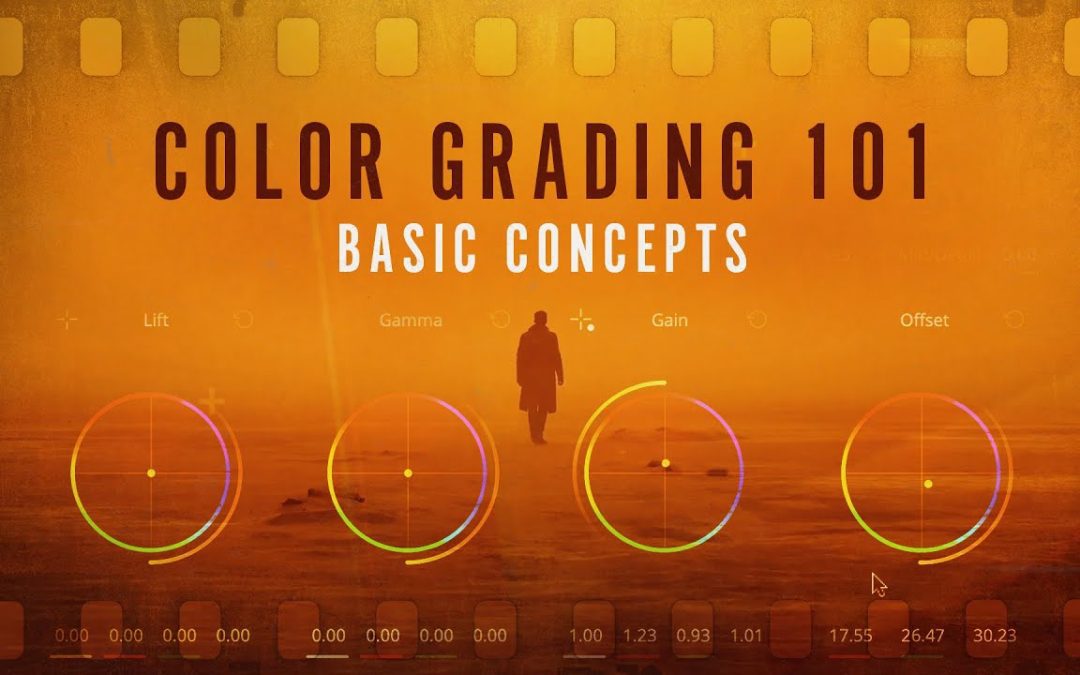
Color grading is an essential skill for anyone looking to elevate their visual storytelling, whether in film, photography, or digital content creation. For beginners, navigating the world of color grading can seem daunting, but understanding its fundamental concepts can unlock the true potential of your visuals. In this article, we’ll break down what you need to know about color grading, from the basics of color theory to practical tips for enhancing your projects, ensuring you can create stunning images that captivate your audience.
What are essential color grading techniques for beginners?
Beginners should focus on adjusting exposure, contrast, saturation, and white balance, while learning to use color wheels and LUTs to enhance their footage effectively.
What is color grading and why is it important for video production?
Color grading is the process of adjusting and enhancing the colors in a video to create a specific mood, look, or aesthetic. This post-production technique involves manipulating various elements such as contrast, saturation, and brightness to achieve the desired visual effect. By carefully balancing these elements, filmmakers can evoke emotions, highlight key moments, and guide viewers’ attention to important details within the scene.
The importance of color grading in video production cannot be overstated. It plays a crítico role in establishing the overall tone of a project, whether it be a dramatic narrative, an upbeat commercial, or a documentary. A well-executed color grade can transform ordinary footage into a visually stunning experience, making it more engaging and memorable for audiences. Additionally, color grading helps maintain visual consistency across different shots, ensuring that the final product feels cohesive and polished.
Moreover, color grading can significantly enhance storytelling by reinforcing themes and character arcs. For instance, warm tones may be used to convey comfort and nostalgia, while cooler hues can evoke feelings of tension or unease. By skillfully applying color grading techniques, filmmakers can deepen the narrative impact of their work, allowing viewers to connect with the story on a more emotional level. In a competitive landscape where visual appeal is paramount, effective color grading is essential for any video production aiming to leave a lasting impression.
What are the basic tools and software I need for color grading as a beginner?
As a beginner in color grading, you’ll want to start with a few essential tools and software that can elevate your projects. First, consider using DaVinci Resolve, which offers a robust free version packed with powerful color correction features. Familiarize yourself with basic color wheels and scopes to understand color balance and exposure. Additionally, investing in a good monitor that supports accurate color reproduction is crítico for making informed decisions. For a more hands-on experience, a color grading panel can enhance your workflow, but starting with just a mouse and keyboard is perfectly fine. Lastly, online tutorials and forums can provide valuable insights and tips as you refine your skills in this creative field.
How can I effectively learn color grading techniques to improve my video projects?
To effectively learn color grading techniques and enhance your video projects, start by familiarizing yourself with the essential tools and software available, such as Adobe Premiere Pro, DaVinci Resolve, or Final Cut Pro. These programs offer comprehensive tutorials and user-friendly interfaces that cater to both beginners and advanced users. Invest time in understanding the basics of color theory, including concepts like color wheels, contrast, saturation, and hue. Watching online tutorials and following along with practical exercises can help solidify your understanding and build your skills.
Once you have a grasp of the fundamentals, practice is key. Create your own projects or collaborate with others to apply what you’ve learned in real-world scenarios. Experiment with different looks and styles, and analyze the work of professional filmmakers to understand their color grading choices. Seeking feedback from peers or online communities can provide valuable insights and accelerate your learning process. By combining theoretical knowledge with hands-on experience, you’ll not only refine your color grading techniques but also elevate the overall quality of your video projects.
Unlock Your Visual Potential: Master Color Grading Basics
Color grading is an essential skill for anyone looking to elevate their visual storytelling. By understanding the fundamentals of color theory, you can transform ordinary footage into a captivating visual experience. Mastering color grading allows you to enhance the mood, highlight key elements, and create a cohesive aesthetic that resonates with your audience. Whether you’re a filmmaker, photographer, or content creator, these basic techniques will empower you to unlock your creative potential.
The first step in mastering color grading is developing a keen eye for color relationships. Familiarize yourself with concepts like complementary and analogous colors, as these can significantly impact the emotional tone of your work. Experimenting with tools such as color wheels, curves, and LUTs will provide you with the flexibility to manipulate hues, saturation, and brightness. This experimentation not only hones your technical skills but also helps you discover your unique visual style.
Finally, practice makes perfect. Begin with simple projects to apply what you’ve learned, gradually increasing complexity as you gain confidence. Analyze the color grading techniques used in films or photographs that inspire you, and try to replicate those effects. By continuously refining your approach and seeking feedback, you will not only improve your technical abilities but also develop a deeper understanding of how color influences storytelling, ultimately transforming your visual narratives into compelling experiences.
Transform Your Footage: Simple Techniques for Stunning Results
Transforming your footage into a stunning visual experience doesn’t have to be complicated. With a few simple techniques, you can elevate your videos from ordinary to extraordinary. Start by focusing on the basics: proper lighting and framing. Good lighting sets the mood and enhances colors, while thoughtful framing draws attention to your subject and creates a pleasing composition. These foundational elements are the building blocks of captivating footage.
Once your initial setup is solid, consider incorporating dynamic editing techniques to add flair. Transitions, color grading, and sound design can significantly enhance the emotional impact of your video. Smooth transitions keep the viewer engaged, while a carefully chosen color palette can evoke specific feelings. Additionally, layering sound effects and music can bring your visuals to life, making the overall experience more immersive and memorable.
Finally, don’t underestimate the power of storytelling. Even the most visually stunning footage can fall flat without a compelling narrative. Craft a clear storyline that guides your audience through the visuals, allowing them to connect emotionally with your content. By combining effective storytelling with technical skills, you can transform your footage into a truly captivating masterpiece that resonates with viewers and leaves a lasting impression.
Elevate Your Storytelling: A Beginner’s Path to Vibrant Imagery
Every story has the potential to captivate, yet the key to truly engaging your audience lies in the vividness of your imagery. To elevate your storytelling, begin by immersing yourself in the sensory details of your narrative. Instead of simply stating facts, paint a picture with words that evoke sight, sound, taste, touch, and smell. This approach not only draws readers into your world but also allows them to experience the emotions and atmospheres you wish to convey.
As you weave these sensory elements into your story, consider the power of specific, concrete language. Rather than describing a scene as merely “beautiful,” delve deeper into what makes it so—perhaps the golden rays of sunlight filtering through the leaves or the sweet scent of blooming jasmine. Such details create a rich tapestry that resonates with readers, allowing them to visualize the scene clearly and feel a deeper connection to your characters and their journeys.
Lastly, remember that imagery should serve your narrative, enhancing rather than overshadowing the plot. Balance is crítico; let your vibrant descriptions complement the action and dialogue, propelling the story forward. By practicing this harmonious integration, you’ll not only elevate your storytelling but also invite your readers to lose themselves in the vivid landscapes of your imagination, making your tales unforgettable.
Mastering color grading can transform your visual storytelling, adding depth and emotion to your projects. By understanding the fundamentals and experimenting with various techniques, you can enhance your creative expression and bring your unique vision to life. Embrace the learning process, and remember that even the most skilled artists started as beginners. With practice and dedication, you’ll soon unlock the full potential of your footage, captivating your audience with stunning visuals.
