
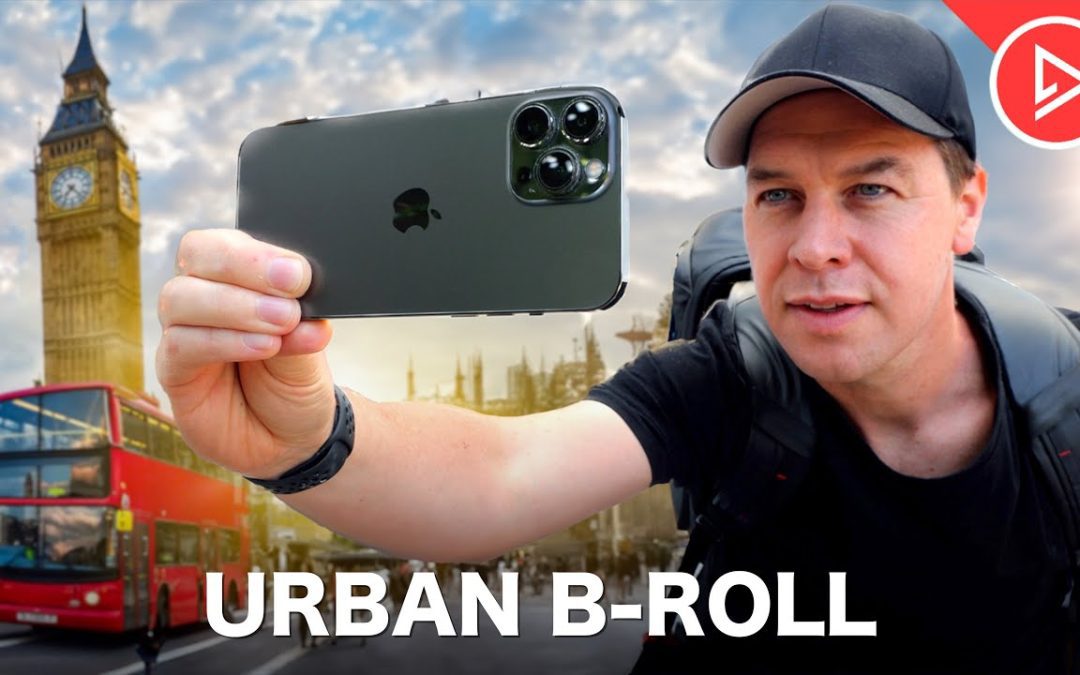
Filming in urban environments presents a unique blend of challenges and opportunities that can elevate any production. From navigating bustling streets and diverse architecture to capturing the vibrant essence of city life, filmmakers must adapt their techniques to thrive in these dynamic settings. This article delves into essential tips and insights, providing you with everything you need to know about successfully shooting in urban landscapes, ensuring your project stands out in these captivating backdrops.
What challenges arise when filming in cities?
Filming in cities presents challenges like noise, traffic, permits, crowds, and limited space, requiring careful planning and coordination to ensure smooth production.
What are the key challenges of filming in urban environments?
Filming in urban environments presents a unique set of challenges that can complicate production efforts. One major hurdle is navigating the bustling crowds and heavy traffic, which can disrupt shooting schedules and require careful planning for permits and logistics. Additionally, unpredictable weather and varying light conditions can affect the quality of scenes, demanding flexibility and quick adjustments from the crew. Noise pollution from construction, public transport, and city life can complicate audio capture, often necessitating additional post-production efforts. Lastly, coordinating with local authorities and ensuring compliance with regulations can be time-consuming, requiring a well-organized approach to avoid delays and potential fines.
How can I obtain permits for filming in a city?
To obtain permits for filming in a city, start by researching the specific regulations and requirements of the local film office or city government. Most cities have a dedicated office that handles film permits, which can provide guidelines and application forms. Prepare a detailed proposal outlining your filming schedule, location, and crew size, as well as any potential disruptions to the public. It’s essential to submit your application well in advance, as processing times can vary. Additionally, be prepared to meet insurance requirements and possibly pay fees associated with the permit. Engaging with the community and addressing any concerns can also facilitate a smoother approval process, ensuring your project runs smoothly and successfully.
What equipment is best suited for shooting in crowded urban areas?
When shooting in crowded urban areas, versatility and discretion are key. A compact mirrorless camera paired with a fast prime lens, such as a 35mm or 50mm, is ideal. These setups are lightweight and unobtrusive, allowing you to capture candid moments without drawing too much attention. Additionally, a lens with a wide aperture will enable you to shoot in varying light conditions, enhancing your ability to work during the golden hour or in dimly lit environments.
To further enhance your urban photography experience, consider investing in a sturdy yet portable tripod or a monopod. This equipment will provide stability for long exposure shots, especially in bustling locations where you might want to capture light trails or the dynamic energy of the city. A lightweight tripod can be easily maneuvered through crowds, while a monopod offers quick setup and flexibility, ensuring you don’t miss fleeting moments.
Lastly, don’t overlook the importance of accessories. A good quality camera bag that is discreet yet spacious will protect your gear while allowing easy access on the go. Additionally, a polarizing filter can help manage reflections from glass and water, while extra batteries and memory cards ensure that you’re prepared for extended shooting sessions without interruptions. With the right equipment, you can navigate and capture the vibrant essence of urban life seamlessly.
How can I manage noise and other distractions while filming in a city?
Filming in a bustling city can be challenging due to the constant hum of traffic, chatter, and other distractions. To manage noise effectively, consider choosing filming locations during off-peak hours when the streets are quieter. Utilizing soundproofing equipment, such as directional microphones and windshields, can significantly enhance audio quality by isolating your subject’s voice from background noise. Additionally, scouting locations that naturally provide some acoustic barriers, like walls or buildings, can help minimize unwanted sound interference.
Incorporating visual distractions is equally important to maintain focus on your subject. Use strategic camera angles to frame out busy streets or distracting elements, and employ a shallow depth of field to blur the background. If possible, bring along a small team to assist with crowd control and to help manage potential interruptions. By planning ahead and using the right tools, you can create a more controlled filming environment that highlights your subject while minimizing distractions.
Mastering the Cityscape: Filming Secrets Unveiled
Cities are vibrant tapestries of life, each corner teeming with stories waiting to be told. To capture the essence of urban landscapes, filmmakers must embrace the unique energy that cities offer. From bustling streets to serene parks, the key lies in understanding the rhythm of the location. By studying the flow of traffic, the movement of pedestrians, and the shifting light throughout the day, filmmakers can identify the perfect moments that breathe life into their narratives.
Utilizing innovative techniques can elevate city filmmaking to new heights. Aerial shots from drones provide breathtaking perspectives, while time-lapse sequences can transform ordinary scenes into captivating visuals. Additionally, incorporating natural sounds and local music into the sound design enriches the storytelling, allowing viewers to feel the pulse of the city. Experimenting with diverse angles and framing can reveal hidden gems, turning everyday sights into extraordinary cinematic experiences.
Ultimately, the heart of urban filmmaking lies in authenticity. Engaging with local communities and capturing their stories not only adds depth to the film but also fosters a genuine connection with the audience. By prioritizing cultural nuances and respecting the environment, filmmakers can create works that resonate on a personal level. In this dynamic endeavor, mastering the cityscape becomes an art form, where every frame tells a tale of exploration, inspiration, and the diverse human experience.
Urban Cinematics: Techniques for Captivating Shots
Urban environments offer a rich tapestry of visual storytelling, where the interplay of light, architecture, and human activity creates compelling narratives. To capture the essence of city life, filmmakers can employ techniques such as dynamic angles and contrasting textures. Utilizing wide shots to establish context while interspersing close-ups of unique details can draw the viewer into the urban experience, highlighting the vibrancy and diversity of cityscapes. Additionally, incorporating movement—whether through tracking shots or time-lapse sequences—breathes life into static scenes, transforming everyday moments into cinematic art.
Incorporating natural elements, such as reflections in glass buildings or shadows cast by towering structures, enhances the visual depth of urban cinematography. Utilizing color grading to evoke specific moods can further elevate the storytelling, making the city feel like a character in its own right. By combining these techniques, filmmakers can create a visually striking narrative that not only captivates the audience but also resonates with their own experiences of urban life. The key lies in observing the intricacies of the city and translating them into a compelling visual language that speaks to the heart of urban living.
Navigate the Concrete Jungle: Filming Essentials
In the bustling heart of the city, capturing the vibrancy of urban life requires more than just a camera; it demands a strategic approach to filming. The concrete jungle, with its towering skyscrapers and dynamic streets, offers a plethora of visuals that can elevate any project. Essential gear includes a lightweight tripod for stability on uneven surfaces, a versatile lens to capture wide-angle shots of expansive views, and a quality microphone to ensure crisp audio amidst the urban noise. Planning your shots during golden hour can also enhance the aesthetic, providing a warm glow that softens the harshness of concrete.
Moreover, understanding the rhythm of the city is crítico for effective storytelling. Timing your shoots to coincide with peak activity can help you capture the essence of urban life, from vibrant street performances to the hustle of commuters. Additionally, scouting locations ahead of time allows for a clearer vision and smoother execution on filming day. Emphasizing the interplay between architecture and human experience will not only enhance your narrative but also create a deeper connection with your audience, transforming the ordinary into the extraordinary.
Capture the City: Pro Tips for Urban Filmmakers
Urban landscapes offer a dynamic backdrop for filmmakers, brimming with life, culture, and stories waiting to be told. To make the most of these vibrant settings, it’s essential to embrace the unique rhythms of the city. Begin by scouting locations at different times of day to capture varying light conditions and the hustle and bustle of city life. Utilize wide-angle lenses to showcase towering skyscrapers and bustling streets while also getting up close with the diverse characters that populate these urban spaces. Don’t forget to incorporate sound—recording ambient noises can enhance your narrative and immerse your audience in the city’s atmosphere.
In addition to technical skills, storytelling is key to engaging your viewers. Focus on the human element within the urban environment; personal stories can transform a simple cityscape into a compelling narrative. Interview locals, showcase their daily routines, and highlight the unique culture of the area. Experiment with different editing techniques to create a pace that reflects the energy of the city—fast cuts can evoke excitement, while slower transitions can provide moments of reflection. By blending technical expertise with authentic storytelling, urban filmmakers can capture the essence of the city and create a visual experience that resonates with audiences.
From Streets to Screens: A Guide to Urban Filming
Urban environments offer a rich tapestry of life, providing filmmakers with a unique backdrop that tells stories through vibrant streetscapes and diverse communities. The hustle and bustle of city life, with its mix of architecture, culture, and human interaction, serves as an ideal canvas for both narrative and documentary films. By tapping into the raw energy of urban settings, filmmakers can capture authentic moments that resonate with audiences, creating a powerful connection between the screen and the viewer’s own experiences.
When planning to film in urban locations, it’s essential to embrace both the challenges and opportunities that come with it. Securing permits, navigating crowded spaces, and being mindful of local regulations can be daunting, but thorough preparation is key. Engaging with the community not only fosters goodwill but can also lead to unique insights and stories that enhance the film’s narrative. Collaborating with local talent and businesses can further enrich the project, bringing authenticity and a sense of place that is palpable on screen.
Ultimately, successful urban filmmaking combines creativity with respect for the environment and its inhabitants. By highlighting the beauty and complexity of city life, filmmakers can create compelling narratives that inspire and entertain. Whether capturing fleeting moments of joy, struggle, or resilience, urban film serves as a mirror reflecting the vibrant life of the streets, inviting audiences to see the world through a new lens.
Filming in urban environments offers a unique blend of opportunities and challenges that can elevate any production. From the vibrant energy of city life to the dynamic backdrops of diverse architecture, urban settings provide a rich canvas for storytelling. However, navigating the complexities of regulations, permits, and logistics is essential for a successful shoot. By understanding these intricacies and leveraging local resources, filmmakers can transform bustling streets into captivating scenes that resonate with audiences. Embracing the urban landscape not only enhances visual storytelling but also connects narratives to the heart of contemporary culture.
