
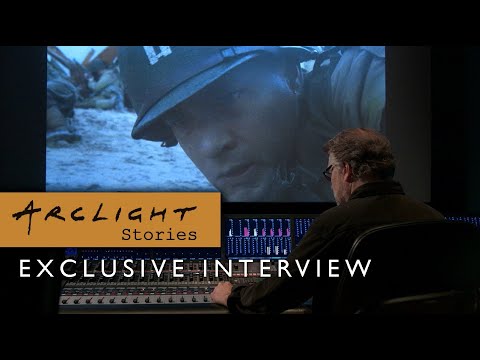
In the world of filmmaking, sound is often the unsung hero that elevates a visual narrative to new heights. The Art of Sound Mixing for Film delves into the intricate process of blending dialogue, music, and ambient noise to create an immersive auditory experience. This essential craft not only enhances storytelling but also shapes the emotional landscape of a film, guiding viewers through its highs and lows. As we explore the techniques and artistry behind sound mixing, we uncover how skilled sound mixers transform raw recordings into a cohesive soundscape that captivates and resonates with audiences.
What techniques elevate sound mixing in film?
Techniques that elevate sound mixing include balancing levels, using dynamic range, creating spatial effects, incorporating ambient sound, and ensuring clarity in dialogue.
What are the essential techniques used in sound mixing for film?
Sound mixing for film involves a range of essential techniques that enhance the overall auditory experience. One of the primary techniques is balancing levels, which ensures that dialogue, sound effects, and music coexist harmoniously without overshadowing one another. By adjusting the volume of each element, sound mixers create a clear and immersive soundscape that guides the audience’s emotional response and maintains narrative clarity.
Another critical technique is equalization (EQ), which shapes the tonal quality of sounds. By adjusting frequencies, mixers can eliminate unwanted noise, enhance vocal clarity, and create a more dynamic audio environment. This process allows for a richer sound palette, enabling the audience to engage more deeply with the film’s atmosphere and characters, as each sound element contributes to the storytelling.
Additionally, the use of panning and spatialization techniques plays a vital role in sound mixing. By strategically placing sounds within the stereo field, mixers can create a sense of depth and movement, drawing viewers into the film’s world. This spatial awareness allows for a more engaging experience, as the audience can perceive where sounds are coming from, heightening the realism and emotional impact of key scenes. Together, these techniques form the backbone of effective sound mixing, elevating the cinematic experience.
How does sound mixing impact the overall storytelling in a film?
Sound mixing plays a pivotal role in shaping the narrative of a film, enhancing the emotional landscape and guiding the audience’s experience. Through the careful balancing of dialogue, music, and sound effects, sound mixers create an immersive atmosphere that draws viewers into the story. This auditory layering not only supports the visuals but also adds depth to character development and plot progression, allowing for a more nuanced understanding of the film’s themes.
Moreover, sound mixing can manipulate pacing and tension, effectively driving the narrative forward. For instance, the strategic use of silence can heighten suspense during critical moments, while a swelling musical score can evoke feelings of joy or sorrow. By thoughtfully interweaving these auditory elements, sound mixers can influence how viewers perceive and react to the unfolding drama, making each scene resonate more profoundly.
Ultimately, the art of sound mixing is essential in crafting a cohesive storytelling experience. It transforms a simple sequence of images into a rich tapestry of sound that enhances the viewer’s emotional engagement. In this way, sound serves not just as an accompaniment but as an integral component of the film, ensuring that the story is not only seen but also felt in a deeply resonant manner.
What software and tools are commonly used by professionals in sound mixing for film?
In the world of sound mixing for film, professionals rely on a variety of sophisticated software and tools to achieve high-quality audio. Leading digital audio workstations (DAWs) such as Avid Pro Tools and Apple Logic Pro are staples in the industry, providing a robust platform for recording, editing, and mixing sound. These tools come equipped with powerful plugins that allow sound mixers to manipulate audio in creative ways, enhancing everything from dialogue clarity to ambient soundscapes.
Additionally, hardware consoles like the Avid S6 and SSL Live are integral to the mixing process, offering tactile control over audio levels and effects. Complementing these are specialized tools such as Izotope RX for audio restoration and Waves plugins for sound enhancement. Together, this combination of software and hardware not only streamlines the workflow for sound professionals but also elevates the overall cinematic experience through impeccable audio quality.
Elevate Your Audio Game
Upgrade your listening experience with cutting-edge audio technology designed to immerse you in crystal-clear sound. Whether you’re streaming your favorite playlists, diving into a podcast, or enjoying a cinematic experience at home, the right equipment can transform ordinary audio into something extraordinary. Explore wireless options that offer seamless connectivity, noise-canceling features that enhance focus, and high-fidelity speakers that bring every note to life. Elevate your audio game and discover a new world of sound where every detail matters.
The Art and Science of Mixing
Mixing is both an art and a science, a delicate balance between creativity and technical precision. At its core, it involves blending various elements to create a harmonious final product, whether in music, visual arts, or culinary endeavors. Each component plays a fundamental role, much like the ingredients in a recipe, where the right proportions and techniques can elevate a dish from ordinary to extraordinary. The intuitive understanding of how different elements interact allows artists and creators to push boundaries, resulting in unique and captivating outcomes.
The science behind mixing lies in understanding the properties of each element and how they can complement or contrast with one another. This involves knowledge of sound frequencies in music, color theory in visual arts, and flavor profiles in cooking. By harnessing this knowledge, creators can experiment and innovate, leading to new styles and trends. Ultimately, the art and science of mixing invite us to explore possibilities, encouraging collaboration and experimentation as we navigate the ever-evolving landscape of creativity.
Crafting Immersive Soundscapes
In the realm of audio production, crafting immersive soundscapes is an art that transcends mere background noise, inviting listeners into richly textured worlds. By carefully layering ambient sounds, melodic elements, and dynamic effects, creators can evoke powerful emotions and transport audiences to distant places or imaginative realms. The interplay of silence and sound, combined with innovative techniques, allows for an engaging auditory experience that captivates and resonates. As technology continues to evolve, the possibilities for creating these captivating sound environments expand, offering artists new tools to shape their sonic narratives and connect with listeners on a profound level.
Techniques for Professional Results
Achieving professional results in any endeavor requires a blend of strategic planning and skillful execution. One of the most effective techniques is setting clear, measurable goals. By defining what success looks like, you create a roadmap that guides your actions and decisions. This clarity not only enhances focus but also allows for adjustments along the way, ensuring that you remain aligned with your desired outcomes.
Another essential technique is the practice of continuous feedback and iteration. Engaging with peers or mentors to gather insights can provide invaluable perspectives that refine your approach. Embracing constructive criticism fosters an environment of growth and improvement, allowing you to adapt your methods and enhance the quality of your work. This iterative process transforms initial ideas into polished final products, exemplifying professionalism.
Finally, investing in the right tools and resources is fundamental for elevating the quality of your results. Whether it’s software for project management or specialized equipment for your craft, the right resources can significantly enhance efficiency and output. Coupled with the previously mentioned techniques, having the appropriate tools empowers you to execute your vision with precision, ultimately leading to results that stand out in any professional landscape.
Unlocking the Secrets of Film Audio
Film audio is a fundamental yet often overlooked element that shapes the viewer’s experience. From the subtle rustle of leaves to the powerful crescendo of a score, sound design immerses audiences in the narrative, enhancing emotions and building tension. Sound engineers and designers meticulously craft every auditory layer, ensuring that dialogue, sound effects, and music work in harmony to support the story being told on screen.
One of the key aspects of effective film audio is the use of ambience and soundscapes. These background sounds create a sense of place and time, grounding the viewer in the film’s world. By layering natural sounds and artificial effects, filmmakers can evoke specific moods, drawing audiences deeper into the narrative and making them feel as though they are part of the action. Attention to detail in soundscapes can transform a simple scene into a vivid experience, resonating long after the credits roll.
Moreover, the power of music in film cannot be overstated. A well-composed score can elevate a scene, infusing it with emotional weight and resonance. Composers carefully consider the film’s themes and characters, crafting melodies that echo their journeys. With the right blend of audio elements—dialogue, sound effects, ambience, and music—filmmakers unlock a powerful tool that enhances storytelling and captivates audiences, making sound an integral part of the cinematic experience.
Mastering the art of sound mixing for film not only enhances the storytelling experience but also elevates the emotional impact of the narrative. By skillfully blending dialogue, music, and sound effects, filmmakers create immersive worlds that captivate audiences and leave a lasting impression. As technology continues to evolve, the possibilities for innovation in sound mixing are limitless, inviting both seasoned professionals and newcomers to explore this dynamic craft. Embracing the intricacies of sound will undoubtedly transform how stories are told on screen, making it an essential element in the filmmaking process.
