
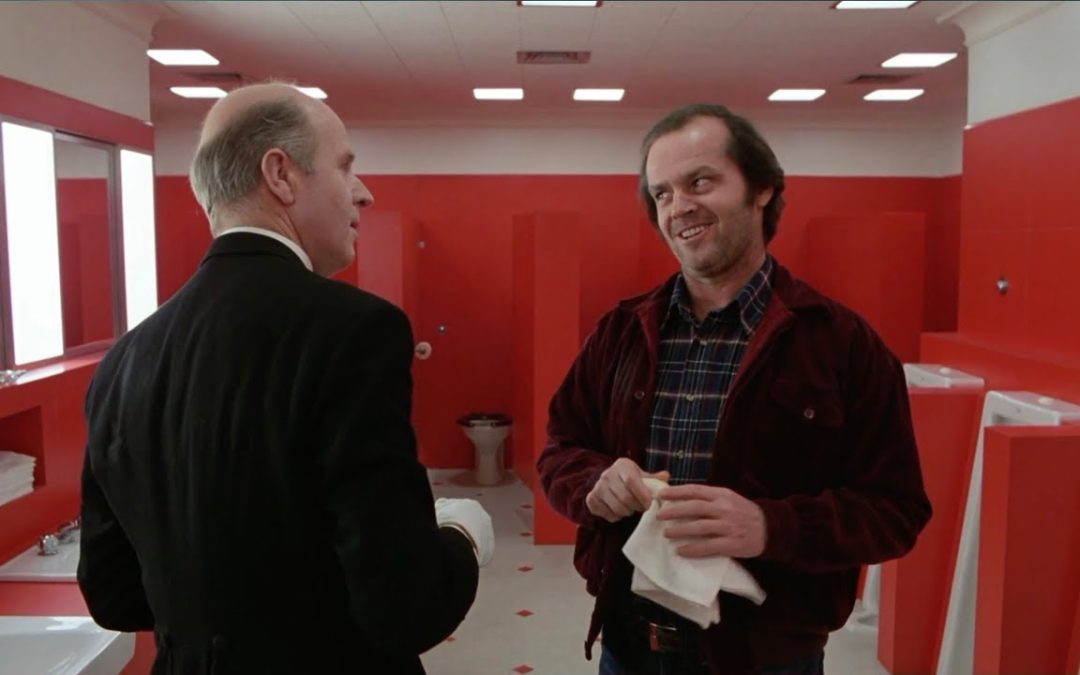
In a world saturated with cinematic releases, the timeless charm of classic films continues to captivate audiences and inspire new generations of filmmakers. The Art of Reviewing Classic Films delves into the nuances of critiquing these iconic works, exploring the rich tapestry of storytelling, cinematography, and cultural significance that defines them. By examining the artistry behind these masterpieces, we not only gain a deeper appreciation for their enduring impact but also refine our own skills in analyzing the magic of cinema. Join us on this journey as we uncover the secrets to thoughtfully engaging with the classics that have shaped the film industry.
What makes a classic film worth reviewing?
A classic film is worth reviewing for its timeless themes, cultural impact, artistic innovation, and the way it influences contemporary cinema and society.
Advantages
- Enhanced Critical Thinking: Reviewing classic films encourages viewers to analyze and interpret cinematic techniques, themes, and historical context, fostering deeper critical thinking skills.
- Cultural Appreciation: Engaging with classic films helps individuals gain insight into the social, political, and cultural landscapes of the time, enriching their understanding of history and art.
- Connection to Film History: Exploring classic films allows viewers to appreciate the evolution of filmmaking, including advancements in technology and storytelling that have shaped modern cinema.
- Nostalgia and Emotional Resonance: Revisiting classic films can evoke feelings of nostalgia, allowing audiences to connect emotionally with stories and characters that have stood the test of time.
- Expanded Film Vocabulary: Reviewing classic films introduces viewers to a broader range of cinematic styles, genres, and techniques, enhancing their overall film literacy and appreciation.
Disadvantages
- Subjectivity: The interpretation of classic films can vary greatly among viewers, leading to biased reviews that may not resonate with all audiences.
- Nostalgia Bias: Reviewers may be overly influenced by their personal nostalgia for a film, which can cloud their judgment and result in an unbalanced critique.
- Limited Context: Classic films are often reviewed without considering the historical and cultural context in which they were made, potentially leading to misunderstandings or misinterpretations.
- Overemphasis on Canon: Focusing primarily on well-known classic films may overlook lesser-known gems, resulting in a narrow perspective that fails to celebrate the diversity of cinematic history.
What are the key elements to consider when reviewing classic films?
When reviewing classic films, one must first consider the historical context in which the film was made. Understanding the societal norms, technological limitations, and cultural influences of the time can significantly enhance one’s appreciation of the film. This context helps to frame the director’s artistic choices, the narrative style, and the performances of the actors, allowing for a deeper exploration of the film’s themes and its impact on audiences then and now.
Another essential element is the film’s technical craftsmanship, including cinematography, editing, sound design, and set design. Analyzing these aspects reveals how filmmakers utilized the tools available to them to convey their vision. For instance, the innovative camera techniques or editing styles from a particular era may have set the stage for future filmmakers, making it vital to recognize their contributions to the art form.
Finally, the film’s enduring themes and character development warrant careful consideration. Classic films often tackle universal issues such as love, conflict, and morality, allowing them to resonate across generations. By examining how these themes are presented and whether the characters experience meaningful growth, reviewers can articulate the film’s relevance and significance in today’s cultural landscape, ensuring that its legacy continues to inspire and provoke thought.
How can one effectively analyze the cultural and historical context of classic films in their reviews?
To effectively analyze the cultural and historical context of classic films in reviews, one must first immerse themselves in the era the film was produced. Understanding the social, political, and economic climate of the time can provide valuable insights into the themes and narratives presented in the film. Researching key historical events, popular trends, and the prevailing attitudes of the audience can help reviewers identify how these elements influenced the filmmaking process and the film’s reception.
Additionally, examining the filmmakers’ backgrounds and intentions can deepen the analysis. Noting the directors, writers, and actors’ influences and experiences allows for a richer understanding of the artistic choices made in the film. By considering how these personal and professional contexts shaped the work, reviewers can articulate the film’s significance beyond its surface-level entertainment value, highlighting its impact on future cinema and its lasting relevance.
Finally, connecting the film to contemporary issues can enhance its relevance for modern audiences. By drawing parallels between the film’s themes and today’s societal challenges, reviewers can foster a dialogue that resonates with current viewers. This approach not only enriches the critique but also encourages audiences to reflect on the ongoing cultural conversations that classic films continue to inspire, making the analysis both timely and thought-provoking.
What techniques can enhance the readability and engagement of a classic film review?
To enhance the readability and engagement of a classic film review, incorporating vivid imagery and strong, emotive language can captivate readers and draw them into the film’s world. Utilizing concise sentences and clear structure helps maintain a smooth flow, while integrating quotes or notable dialogue from the film adds authenticity and interest. Including personal reflections or relatable anecdotes makes the review more relatable, inviting readers to connect on a deeper level. Additionally, varying the sentence length and using subheadings can break up the text, making it visually appealing and easier to navigate. Ultimately, a blend of passion and insight will not only inform but also inspire readers to explore the film for themselves.
Are there specific classic films that are recommended for beginners looking to improve their reviewing skills?
For beginners eager to enhance their film reviewing skills, classic films serve as a perfect foundation. Titles like “Casablanca” offer rich character development and themes of love and sacrifice, while “Citizen Kane” is renowned for its innovative storytelling and cinematography, encouraging viewers to analyze narrative structure. “The Wizard of Oz” presents a blend of fantasy and reality that invites exploration of symbolism and emotional resonance. Additionally, “Psycho” challenges perceptions of suspense and character psychology, making it essential for understanding genre conventions. Engaging with these timeless films not only sharpens critical thinking but also provides a well-rounded perspective on cinematic artistry.
Unveiling Timeless Cinematic Gems
In the ever-evolving landscape of cinema, some films possess an extraordinary ability to transcend time and cultural boundaries, captivating audiences long after their initial release. These timeless cinematic gems often weave intricate narratives, rich character development, and striking visuals, leaving an indelible mark on the hearts of viewers. From classic black-and-white masterpieces to vibrant modern tales, these films remind us of the profound power of storytelling and its capacity to evoke deep emotions.
As we delve into the world of these enduring films, we encounter stories that resonate with fundamental human experiences—love, loss, triumph, and the quest for identity. Whether it’s the haunting beauty of a bygone era or the relatable struggles of contemporary life, these movies invite us to reflect on our own journeys. Iconic performances and unforgettable soundtracks further enhance the allure, creating an immersive experience that lingers long after the credits roll.
Ultimately, the magic of these cinematic treasures lies in their ability to foster connection and provoke thought. They serve as cultural touchstones, sparking conversations across generations and offering new insights with each viewing. As we celebrate these timeless works, we embrace the notion that great cinema is not merely entertainment; it is a powerful vehicle for understanding ourselves and the world around us.
A Deep Dive into Film History
Film history is a rich tapestry woven from the innovations of countless artists and visionaries. From the silent era’s groundbreaking techniques to the vibrant explosion of color in the 1930s, each decade has introduced transformative shifts that have shaped the medium. Landmark films like “The Birth of a Nation” and “Casablanca” not only defined their times but also influenced generations of filmmakers, highlighting the power of storytelling and visual artistry. As technology advanced, so too did the narrative possibilities, paving the way for genres that range from the heart-wrenching to the fantastical, each contributing to the cultural dialogue of their day.
The evolution of film is not just a chronicle of technological advancements; it reflects societal changes, cultural movements, and the collective human experience. The rise of independent cinema in the late 20th century marked a shift towards more diverse voices and stories, challenging mainstream narratives and expanding the cinematic landscape. Today, the interplay between traditional filmmaking and digital platforms offers new opportunities for creativity and accessibility, further enriching the dialogue around film. As we explore the intricate layers of film history, we uncover not just the art itself but the cultural significance it holds in shaping our understanding of the world.
An Expert’s Guide to Film Critique
Film critique is an art form that requires a blend of analytical skills and personal insight. To effectively evaluate a film, one must consider various elements such as cinematography, narrative structure, character development, and thematic depth. A successful critic articulates their impressions not only by dissecting these components but also by connecting them to broader cultural and social contexts. This holistic approach allows for a more nuanced understanding of the film’s impact and significance, elevating the critique beyond mere opinion to a thoughtful exploration of its artistic merits.
In addition to technical analysis, a film critic should cultivate a unique voice that resonates with their audience. Engaging writing draws readers in, inviting them to share in the experience of the film through the critic’s perspective. By balancing personal reactions with informed analysis, critics can foster a dialogue that encourages viewers to think critically about the films they watch. Ultimately, a compelling critique not only enhances the appreciation of cinema but also inspires others to explore the rich tapestry of storytelling that film offers.
Mastering the art of reviewing classic films invites both a deep appreciation for cinematic history and a nuanced understanding of storytelling. By blending personal insights with critical analysis, reviewers can breathe new life into timeless works, offering fresh perspectives that resonate with both seasoned cinephiles and new audiences alike. Embracing this art form not only enriches our viewing experience but also ensures that these beloved films continue to inspire and captivate future generations.
