
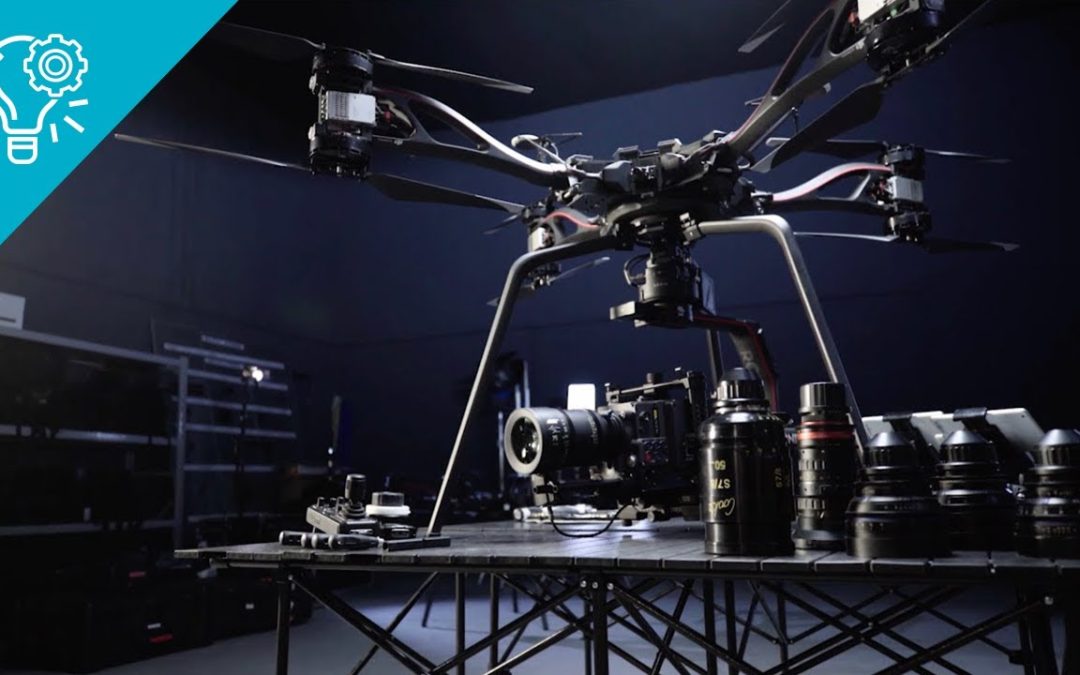
Drones have revolutionized the filmmaking landscape, offering filmmakers unprecedented aerial perspectives and dynamic shots that were once only achievable through costly helicopter rentals. As the technology continues to advance, understanding how to effectively integrate drones into your creative process is essential. In this article, we will explore what you need to know about using drones in filmmaking, from navigating regulations and safety protocols to mastering the art of aerial cinematography. Whether you’re a seasoned filmmaker or just starting out, this guide will equip you with the knowledge to elevate your storytelling through the skies.
How do drones enhance storytelling in filmmaking?
Drones provide unique aerial perspectives, allowing filmmakers to capture stunning visuals and dynamic shots, enhancing storytelling by adding depth and scale to scenes.
What are the legal regulations for using drones in filmmaking?
The use of drones in filmmaking has gained immense popularity, but it comes with a set of legal regulations that filmmakers must adhere to. In many countries, drone operations are governed by aviation authorities, which require filmmakers to obtain specific licenses and permits before flying. For instance, in the United States, the Federal Aviation Administration (FAA) mandates that any drone used for commercial purposes, including filmmaking, must be registered, and the operator must hold a Remote Pilot Certificate. These requirements ensure that drone flights are conducted safely and legally.
Filmmakers must also consider airspace restrictions and no-fly zones, which are often established near airports, military bases, and populated areas. It is clave to conduct thorough research on local regulations, as laws can vary significantly from one jurisdiction to another. Additionally, filmmakers should be aware of privacy laws that protect individuals from having their images captured without consent, particularly when filming in residential areas. Obtaining permission from property owners or individuals can help avoid legal complications.
Finally, insurance is another vital aspect of operating drones for filmmaking. Many production companies choose to invest in liability insurance to cover potential damages or accidents that might occur during drone flights. This not only protects the filmmaker but also demonstrates professionalism and responsibility to clients and partners. By following these legal guidelines, filmmakers can harness the creative potential of drones while ensuring compliance and safety in their projects.
How do I choose the right drone for my film project?
Choosing the right drone for your film project involves considering several key factors to ensure it meets your creative needs. First, assess the type of footage you want to capture; for high-quality cinematography, look for drones with 4K or higher camera capabilities and gimbal stabilization for smooth shots. Next, evaluate flight time and range, as longer battery life and extended control distance can enhance your shooting experience, especially in expansive locations. Additionally, consider the drone’s ease of use and portability, particularly if you’ll be filming in diverse environments. Finally, familiarize yourself with local regulations and any necessary permits, ensuring your project runs smoothly without legal hurdles. With these elements in mind, you’ll be well-equipped to select a drone that elevates your film to new heights.
Elevate Your Shots: Mastering Aerial Cinematography
Aerial cinematography has transformed the way filmmakers tell stories, offering breathtaking perspectives that ground-level shots simply cannot capture. With advancements in drone technology, capturing stunning aerial footage has become more accessible than ever. This new dimension of filmmaking not only enhances visual storytelling but also immerses audiences in the narrative, allowing them to experience locations and scenes from a bird’s-eye view.
To master aerial cinematography, it is essential to understand the nuances of flight and composition. Familiarizing yourself with your drone’s capabilities, as well as practicing smooth maneuvers and transitions, will elevate your shots significantly. Consider the lighting and weather conditions, as they play a clave role in achieving the desired mood and clarity in your footage. Experimenting with various angles and heights will also help you discover unique perspectives that can add depth and intrigue to your projects.
Finally, post-production is where your aerial footage can truly shine. Color grading and stabilizing your shots can enhance the visual appeal, ensuring that the final product is polished and engaging. By combining your technical skills with a creative vision, you can create captivating content that resonates with viewers. Embrace the challenges and rewards of aerial cinematography, and watch as your storytelling takes flight in new and exciting ways.
From Ground to Sky: Drones Redefining Film Landscapes
Drones have revolutionized the way filmmakers capture stunning visuals, offering a unique perspective that was once confined to helicopters and cranes. With their ability to soar above landscapes, drones provide an unparalleled vantage point, allowing directors to showcase sweeping vistas and intricate details with ease. This aerial technology not only elevates storytelling but also enhances the emotional impact of scenes, creating immersive experiences for viewers that ground-level shots simply cannot achieve.
As drones become more accessible, independent filmmakers are harnessing their potential to produce high-quality content on a budget. This democratization of aerial cinematography allows for a diverse range of stories to be told, as creators can experiment with innovative angles and dynamic movements that were previously out of reach. From breathtaking nature documentaries to intimate urban narratives, drones empower filmmakers to push the boundaries of their craft and explore new creative horizons.
The integration of drones into the filmmaking process has sparked a wave of innovation across the industry. With advancements in technology, features like obstacle avoidance and automated flight paths make it easier for filmmakers to achieve precise shots without compromising safety. As the art of aerial cinematography continues to evolve, drones are not just tools; they are redefining the very landscape of film, inspiring a new generation of storytellers to dream bigger and reach higher.
Unleashing Creativity: The Art of Drone Filming
Drone filming has revolutionized the way we capture and share visual stories, offering a breathtaking perspective that traditional methods simply cannot match. With the ability to soar above landscapes and navigate through tight spaces, drones provide filmmakers with a unique canvas to unleash their creativity and explore new dimensions of storytelling. The combination of advanced technology and artistic vision enables creators to craft stunning aerial shots that evoke emotions, enhance narratives, and captivate audiences. As this art form continues to evolve, it inspires a new generation of filmmakers to push boundaries and redefine what’s possible in visual media.
Filmmaker’s Toolkit: Navigating Drone Technology
As the filmmaking landscape evolves, drone technology emerges as an indispensable tool for creators seeking breathtaking aerial perspectives. With the ability to capture stunning visuals from unique angles, drones enhance storytelling by providing dynamic shots that were once limited to costly helicopter rentals. Filmmakers can now effortlessly weave expansive landscapes and intricate cityscapes into their narratives, enriching the viewer’s experience. However, mastering drone operation requires a blend of technical skill and creative vision, ensuring that every flight not only serves the story but also adheres to safety and regulatory guidelines. Embracing this technology opens a world of possibilities, allowing filmmakers to elevate their craft and engage audiences like never before.
Capture the Unseen: Transforming Visual Storytelling with Drones
In an era where storytelling is increasingly visual, drones are revolutionizing the way we capture and share narratives. With their ability to soar high above landscapes and glide through hard-to-reach locations, drones offer unique perspectives that were once the domain of expensive helicopters or intricate camera rigs. This newfound accessibility empowers filmmakers, photographers, and content creators to tell compelling stories that resonate on both emotional and visual levels.
The integration of drones into visual storytelling not only enhances aesthetics but also broadens the scope of what can be documented. From sweeping aerial shots of breathtaking natural vistas to intimate close-ups of urban life, drones provide a dynamic range of imagery that enriches any narrative. This technology invites audiences to experience familiar places from astonishing angles, transforming everyday scenes into captivating visual tales that hold their attention.
As we embrace this innovative tool, the potential for creativity is limitless. Drones encourage storytellers to push boundaries, experiment with new techniques, and engage audiences in ways that traditional methods cannot. By harnessing the power of aerial imagery, creators can capture the unseen, revealing hidden layers of their stories and inviting viewers to explore perspectives they may never have considered. The future of visual storytelling is here, and it is taking flight.
Embracing drones in filmmaking opens up a world of creative possibilities, allowing filmmakers to capture breathtaking aerial shots and unique perspectives that were once difficult or expensive to achieve. By understanding the technical aspects, legal regulations, and best practices for drone operation, filmmakers can elevate their storytelling and engage audiences like never before. As this technology continues to evolve, those who harness its potential will undoubtedly redefine the boundaries of visual storytelling.
