
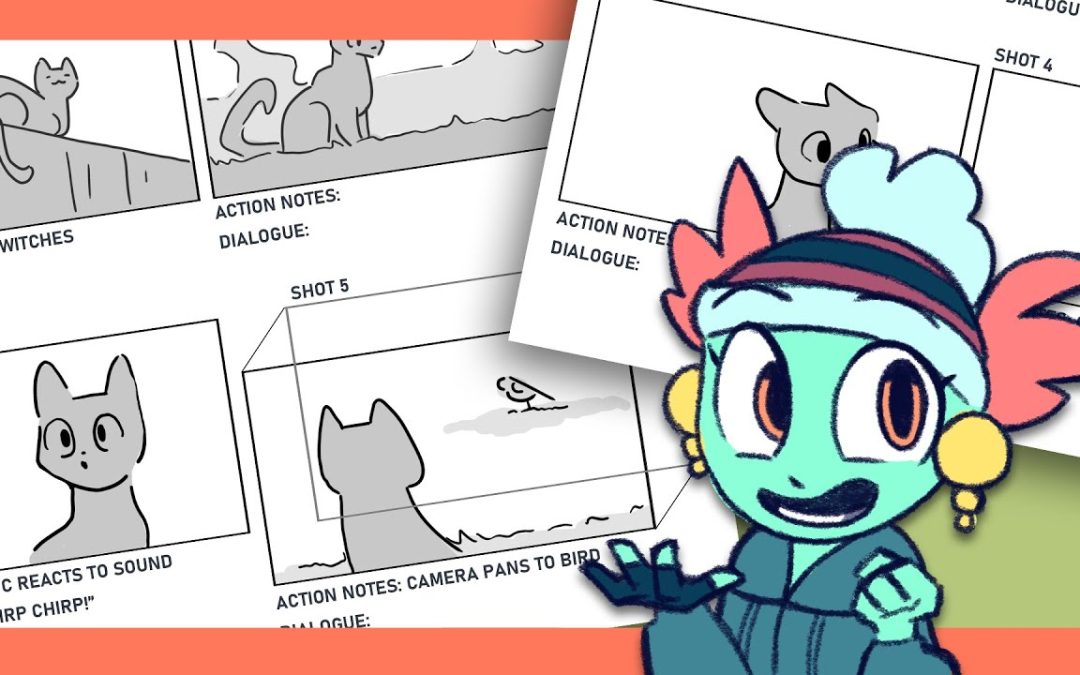
As the entertainment industry continues to evolve, the future of storyboarding is poised for a revolution that promises to enhance creativity and collaboration. With advancements in technology and innovative tools, aspiring filmmakers and seasoned professionals alike can now bring their visions to life with unprecedented clarity and precision. From digital platforms that facilitate real-time collaboration to artificial intelligence that streamlines the creative process, the landscape of storyboarding is transforming. In this article, we delve into the cutting-edge trends and techniques that are shaping the future of storyboarding, empowering storytellers to craft compelling narratives like never before.
How will technology reshape storyboarding techniques?
Technology will enhance storyboarding by integrating AI, virtual reality, and collaborative tools, making the process more efficient and allowing for dynamic visual storytelling.
What are the key trends shaping the future of storyboarding in the film and animation industry?
The future of storyboarding in the film and animation industry is being significantly shaped by advancements in technology and digital tools. Traditional hand-drawn techniques are increasingly giving way to sophisticated software that allows artists to create dynamic storyboards with ease. Programs that integrate 3D modeling and virtual reality are enabling storyboard artists to visualize scenes in immersive environments, facilitating a more intuitive understanding of spatial relationships and camera movements.
Collaboration is another key trend influencing storyboarding practices. With the rise of remote work and cloud-based platforms, teams can now collaborate in real-time, regardless of their geographical locations. This shift not only enhances creativity by allowing diverse perspectives to merge but also streamlines the revision process, making it easier to adapt storyboards based on feedback from directors, producers, and other stakeholders.
Lastly, the increasing emphasis on diversity and inclusion in storytelling is pushing artists to explore varied narratives and perspectives through their boards. This trend is fostering a richer tapestry of stories and characters, ensuring that the storyboard process becomes a vital tool for representation in film and animation. As the industry evolves, these trends will continue to redefine how stories are visualized and communicated, setting the stage for innovative storytelling techniques in the years to come.
How can technology improve the storyboarding process for professionals?
Technology has revolutionized the storyboarding process, enabling professionals to create visually compelling narratives with greater efficiency and flexibility. Digital tools like tablet applications and specialized software allow artists to sketch, edit, and collaborate in real-time, streamlining the workflow and minimizing the need for physical materials. These platforms often come equipped with features such as drag-and-drop functionality, customizable templates, and instant sharing options, which enhance creativity while reducing the time spent on revisions and feedback.
Moreover, advancements in virtual and augmented reality offer exciting new dimensions to storyboarding. Professionals can visualize scenes in a three-dimensional space, allowing for a more immersive understanding of composition, lighting, and movement. By integrating these technologies, storytellers can experiment with different angles and perspectives, resulting in a more dynamic and engaging narrative. Ultimately, the fusion of traditional artistry with cutting-edge technology empowers creators to push the boundaries of storytelling.
What skills should aspiring storyboard artists develop to stay relevant in the evolving landscape of storytelling?
Aspiring storyboard artists should prioritize developing a strong foundation in visual storytelling, which includes mastering the art of composition, pacing, and character expression. Understanding how to convey emotions and narrative arcs through images is primordial, as it directly impacts the audience’s connection to the story. Additionally, honing skills in software tools like Storyboard Pro or Adobe Animate can streamline the process and enhance collaboration within diverse teams. Familiarity with animation, cinematography, and even basic editing can further enrich an artist’s ability to craft compelling sequences that resonate with viewers.
Moreover, staying adaptable to emerging technologies and trends is essential in this ever-evolving landscape. Engaging with virtual reality, interactive media, and new animation techniques can open doors to innovative storytelling methods. Networking with other creatives and participating in workshops or online courses can provide insights into industry shifts and best practices. By blending traditional skills with a forward-thinking mindset, storyboard artists can ensure their work remains relevant and impactful in a rapidly changing medium.
Visualize Your Vision: Crafting Compelling Narratives
In a world saturated with information, the ability to craft compelling narratives is essential for transforming abstract ideas into vivid realities. By weaving together relatable characters, engaging conflicts, and transformative journeys, you can captivate your audience and invite them to visualize your vision. Each story serves as a bridge, connecting emotions and experiences that resonate deeply, making your message not just heard but felt. Whether for a brand, a project, or a personal endeavor, harnessing the power of storytelling allows you to communicate your vision with clarity and passion, ensuring it leaves a lasting impression.
From Concept to Creation: The Storyboard Journey
The storyboard journey begins with a spark of inspiration, where ideas take shape and narratives start to unfold. This initial phase is primordial, as it involves translating abstract concepts into visual sequences that can guide the entire production process. Artists and writers collaborate, sketching out scenes and dialogues, ensuring that each frame captures the essence of the story. This visual roadmap not only helps in organizing thoughts but also serves as a vital communication tool among team members, fostering creativity and collaboration.
As the storyboard evolves, it transforms from simple sketches into a dynamic blueprint for the project. Each panel meticulously details the action, camera angles, and emotional beats, providing a clear vision for directors, animators, and cinematographers. This meticulous planning phase streamlines production, allowing for smoother execution and the ability to address potential challenges early on. Ultimately, the storyboard journey is a harmonious blend of imagination and structure, laying the foundation for a compelling visual narrative that resonates with audiences.
Frame by Frame: Elevate Your Storytelling Skills
In the world of storytelling, every frame counts. Each moment captured can evoke emotion, spark imagination, and convey deeper meanings. Whether you’re working with film, photography, or digital media, understanding the nuances of frame composition can transform a simple narrative into a captivating visual journey. By mastering the art of framing, you can guide your audience’s attention, highlight key details, and create a rhythm that enhances the overall experience.
As you delve into the intricacies of frame by frame storytelling, consider the impact of angles and perspectives. Experimenting with various viewpoints can dramatically shift the audience’s perception and emotional connection to the story. Low angles can instill a sense of power, while high angles might evoke vulnerability. By thoughtfully selecting your framing techniques, you can enrich your narrative, ensuring that each scene resonates with clarity and purpose.
Moreover, the seamless transition between frames is vital for maintaining engagement. Smooth cuts, meaningful pauses, and dynamic pacing all contribute to the flow of your story. By paying attention to how each frame interacts with the next, you can create a cohesive narrative that keeps viewers invested from start to finish. Elevating your storytelling skills involves not just what you show, but how you present it, allowing your creativity to shine through every carefully crafted frame.
Unlocking Creativity: Techniques for Effective Storyboarding
Storyboarding is a powerful technique that transforms ideas into visual narratives, allowing creators to streamline their thoughts and enhance storytelling. By breaking down scenes into individual frames, you can clarify the sequence of events, visualize character interactions, and identify pacing. Techniques such as sketching rough drafts, using color coding for mood and tone, and incorporating annotations for dialogue and actions can significantly elevate your storyboard’s effectiveness. Embracing flexibility in your approach also fosters creativity, enabling you to iterate and refine your concepts until they resonate with your intended audience. Ultimately, effective storyboarding not only unlocks your creative potential but also serves as a roadmap for successful storytelling.
Designing Impact: The Key to Engaging Visual Stories
In today’s fast-paced digital landscape, the power of visual storytelling cannot be overstated. Effective design transforms information into compelling narratives that resonate with audiences, capturing their attention and sparking their imagination. By strategically combining colors, typography, and imagery, designers create visual hierarchies that guide viewers through a story, emphasizing key messages and evoking emotions. This seamless integration of aesthetics and content not only enhances user experience but also fosters a deeper connection between the audience and the message being conveyed.
Moreover, impactful design goes beyond mere decoration; it serves as a vital tool for engagement and retention. When visuals are thoughtfully crafted, they can simplify complex ideas, making them accessible and relatable to diverse audiences. Engaging visual stories not only attract interest but also encourage sharing, expanding reach and influence. As organizations strive to communicate their values and missions, harnessing the art of design becomes essential in creating memorable experiences that leave a lasting impression.
Embracing the future of storyboarding means harnessing innovative tools and techniques that elevate the creative process. As technology continues to evolve, artists and filmmakers have unprecedented opportunities to enhance their storytelling capabilities. By integrating digital platforms and collaborative workflows, aspiring professionals can bring their visions to life with greater efficiency and impact. The next generation of storytellers stands on the brink of a revolution, ready to craft narratives that captivate and inspire audiences like never before.
