
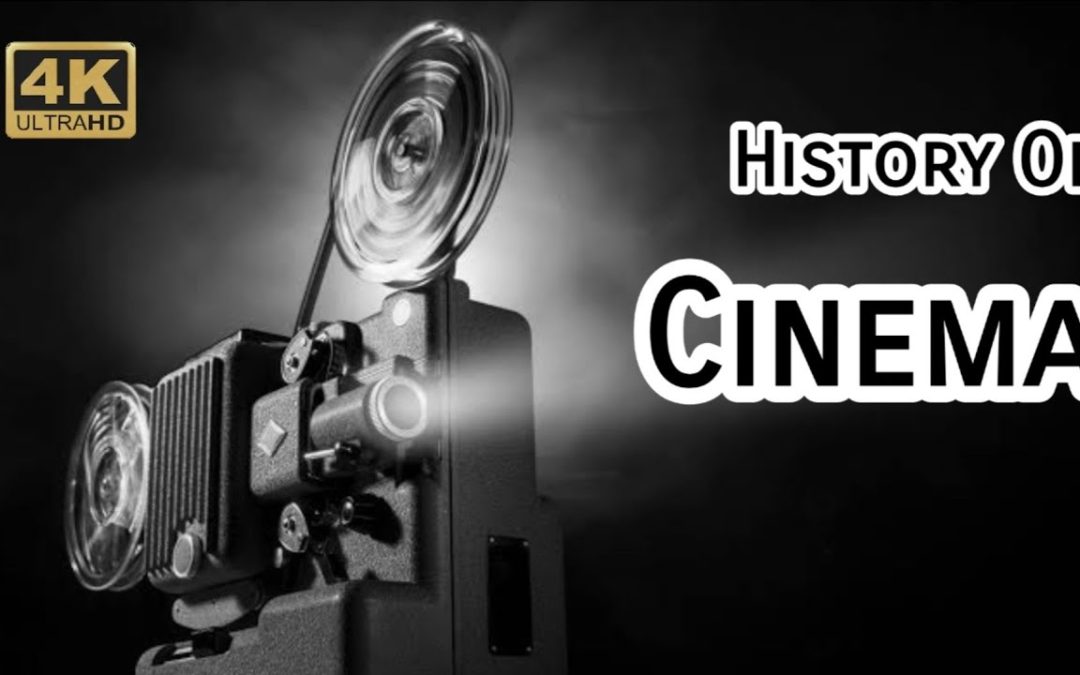
Unpacking the Evolution of Cinema invites readers on a captivating journey through the transformative landscape of film, where art, technology, and culture intertwine. From the silent flickers of the early 20th century to the dazzling blockbusters of today, cinema has continuously evolved, reflecting societal changes and pushing the boundaries of storytelling. This exploration not only highlights the milestones of cinematic innovation but also sheds light on the creative minds that have shaped the medium, making it a powerful form of expression that resonates across generations. Join us as we delve into the rich history and future possibilities of this beloved art form.
How has cinema evolved over the decades?
Cinema has evolved from silent films to talkies, color, digital technology, and streaming, enhancing storytelling and accessibility for diverse audiences worldwide.
What are the key milestones in the evolution of cinema over the decades?
The evolution of cinema has been marked by several key milestones that have shaped its trajectory over the decades. In the late 19th century, the invention of the motion picture camera and the first public screenings heralded the birth of film as a medium. The introduction of sound in the late 1920s transformed storytelling, leading to the Golden Age of Hollywood in the 1930s and 1940s, characterized by iconic films and star-studded casts. The 1960s and 1970s brought about a wave of innovation with the rise of independent cinema and groundbreaking techniques, while the 1980s and 1990s saw the advent of digital effects and blockbuster franchises. Today, the rise of streaming platforms and virtual reality is revolutionizing how audiences experience films, highlighting cinema’s ongoing evolution and adaptability in the face of new technologies and cultural shifts.
How has technology influenced the storytelling methods in film throughout its history?
Technology has profoundly transformed storytelling methods in film, evolving from silent black-and-white films to the dazzling visual spectacles of today. The introduction of sound in the late 1920s revolutionized the narrative experience, allowing for deeper emotional engagement and character development through dialogue. As color film emerged, it added a rich layer of visual storytelling, enhancing the mood and atmosphere of narratives. The digital age further accelerated this evolution, enabling filmmakers to experiment with computer-generated imagery, non-linear narratives, and immersive storytelling techniques like virtual reality. Each technological advancement not only expanded the creative toolbox for filmmakers but also reshaped audience expectations, making storytelling in film a dynamic and ever-evolving art form.
Unraveling the Journey from Silent Films to Streaming
The evolution of cinema has been a remarkable journey, transitioning from the simple, silent films of the early 20th century to the dynamic world of streaming platforms we know today. Silent films, characterized by their expressive visuals and intertitles, laid the groundwork for storytelling on screen, captivating audiences with their ability to convey emotion without dialogue. As technology advanced, the introduction of sound in the late 1920s revolutionized the film industry, allowing for richer narratives and deeper connections with characters. This shift marked the beginning of an era where films became not just a form of entertainment, but a powerful medium of artistic expression.
Fast forward to the digital age, where streaming services have transformed how we consume content. With a vast library of films and series accessible at our fingertips, viewers can explore diverse genres and international cinema from the comfort of their homes. This convenience has democratized film-watching, enabling emerging filmmakers to share their stories with a global audience. As we continue to embrace new technologies, the journey from silent films to streaming not only reflects the changing landscape of entertainment but also highlights the enduring power of storytelling in connecting us all.
A Deep Dive into Cinematic Transformations
Cinema has always been a mirror reflecting the complexities of society, evolving alongside technological advancements and cultural shifts. From the silent films of the early 20th century to the immersive experiences of virtual reality today, filmmakers have continually redefined storytelling. This transformation not only showcases the artistry behind the lens but also highlights the changing ways audiences engage with narratives, making cinema a dynamic and ever-evolving medium.
As filmmaking techniques have advanced, so too has the ability to convey deeper emotional truths. Innovations in CGI, sound design, and editing have enabled directors to craft visually stunning and thematically rich stories. Classics like “The Wizard of Oz” and “Star Wars” paved the way for fantastical worlds, while contemporary films such as “Parasite” and “Everything Everywhere All at Once” challenge conventional storytelling methods. These shifts illustrate how cinema can push boundaries and provoke thought, inviting viewers to experience reality through new perspectives.
The rise of streaming platforms has further transformed the cinematic landscape, democratizing access to diverse voices and stories. Independent filmmakers now have a global stage to showcase their work, allowing for a broader representation of cultures and ideas. This evolution not only enriches the cinematic experience but also fosters a deeper connection between filmmakers and audiences, as stories that once went unheard find their place in the spotlight. As we look to the future, the possibilities for cinematic transformation seem limitless, promising a vibrant tapestry of narratives waiting to be explored.
Exploring the Art and Technology Behind Film’s Growth
The evolution of film has been a fascinating journey where art and technology intertwine, shaping the way stories are told and experienced. From the silent black-and-white classics to today’s immersive 3D spectacles, advancements in cinematography, sound design, and digital effects have transformed filmmaking into a multidimensional art form. Directors and cinematographers now harness cutting-edge technology to create visually stunning narratives that captivate audiences, while innovative storytelling techniques continue to push the boundaries of creativity. As we explore this dynamic landscape, it becomes clear that the synergy between artistic vision and technological prowess has not only driven the growth of film but has also redefined our collective imagination.
As we reflect on the journey of cinema, from its humble beginnings to the sophisticated storytelling we experience today, it becomes clear that this art form continues to evolve in exciting ways. Each technological advancement and cultural shift has shaped how we connect with stories, making cinema a dynamic mirror of society. Embracing both tradition and innovation, the future of film promises to captivate audiences in ways we have yet to imagine, ensuring that the magic of the silver screen remains alive for generations to come.
