
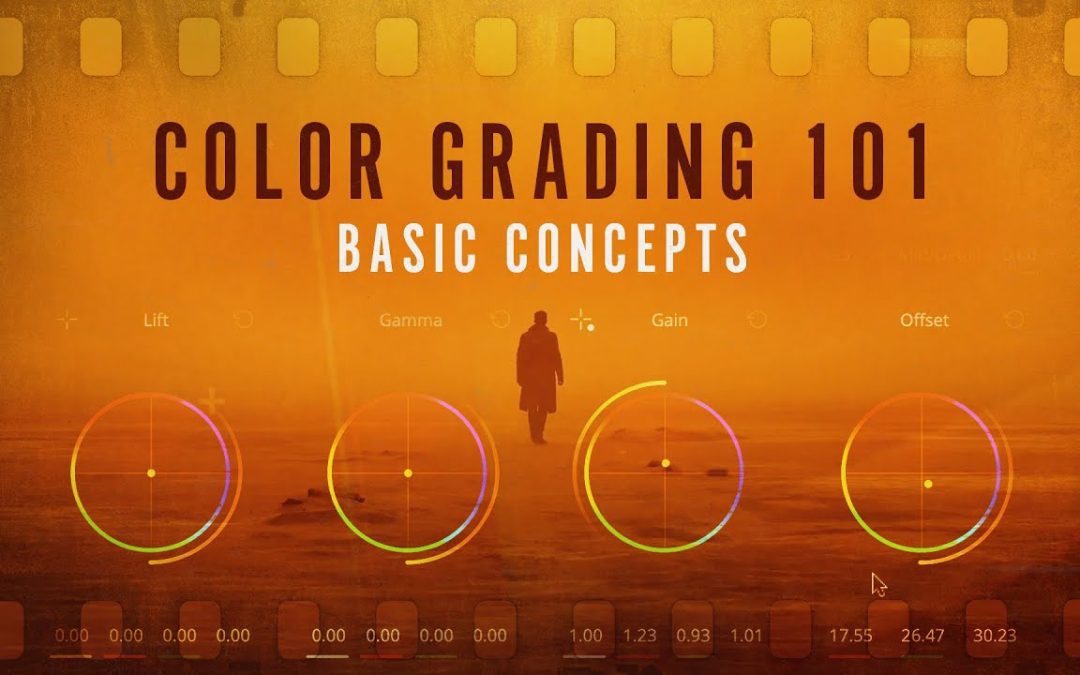
Color grading is an essential aspect of visual storytelling that can transform ordinary footage into a captivating masterpiece. For beginners, navigating the myriad of tools and techniques can seem daunting, but understanding the fundamentals can unlock a world of creative possibilities. In this article, we will break down the basics of color grading, demystifying the process and providing you with the confidence to enhance your projects, whether you’re a budding filmmaker or a passionate content creator. Join us as we explore the art and science behind color grading, and discover how to elevate your visuals to new heights.
What is color grading and why is it important?
Color grading is adjusting the color and tone of video or images to enhance mood and visual appeal, making it determinante for storytelling and overall aesthetics.
What is color grading and why is it important in video production?
Color grading is the process of adjusting and enhancing the color properties of a video to achieve a desired aesthetic or mood. This technique involves manipulating various elements such as hue, saturation, brightness, and contrast to create a visually compelling narrative. By carefully balancing these aspects, filmmakers can evoke specific emotions, highlight important elements, and ensure consistency throughout the footage. Color grading transforms raw footage into a polished final product that aligns with the creative vision of the project.
In video production, color grading is determinante because it significantly impacts how the audience perceives the story being told. A well-graded video can create a specific atmosphere; for instance, warm tones can evoke feelings of nostalgia, while cooler hues may impart a sense of tension or sadness. This visual storytelling tool allows filmmakers to guide viewers’ emotional responses and enhances the overall engagement with the material. Additionally, color grading helps to unify disparate shots, ensuring that the visual experience remains cohesive and immersive.
Moreover, color grading serves a practical purpose in the technical aspects of video production. It allows for corrections of lighting inconsistencies and enhances the overall quality of the footage, making it more appealing across various platforms. As audiences increasingly consume content on diverse devices, having professionally graded video ensures that the visual integrity is maintained, regardless of screen size or resolution. In a competitive landscape where quality matters, effective color grading is an essential component in elevating a video from ordinary to extraordinary.
What are the basic tools and software used for color grading?
Color grading is an essential process in video production that enhances the visual storytelling by adjusting the color, contrast, and brightness of the footage. Basic tools for color grading often include software like Adobe Premiere Pro, DaVinci Resolve, and Final Cut Pro. These programs offer robust features such as color wheels, curves, and LUTs (Look-Up Tables) that allow editors to manipulate colors effectively and achieve the desired mood or aesthetic. Many of these platforms also support plugins and add-ons, providing a customizable experience for professionals and enthusiasts alike.
In addition to software, hardware tools play a determinante role in the color grading process. Professional monitors that are calibrated for accurate color representation are vital, ensuring that the colors seen during grading will translate well to various viewing platforms. Color grading panels, such as those from Tangent or Blackmagic, provide tactile control over adjustments, making the process more intuitive and efficient. Together, these tools and software create a comprehensive environment for achieving stunning visuals that resonate with audiences.
How can beginners start learning color grading techniques effectively?
Color grading is an essential skill for anyone looking to enhance their visual storytelling, and beginners can embark on this journey with a few effective strategies. First, it’s determinante to familiarize oneself with the fundamentals of color theory, including concepts like hue, saturation, and brightness. Understanding how colors interact and evoke emotions will provide a solid foundation for more advanced techniques. Online resources, tutorials, and courses can offer structured learning paths that cater to different skill levels, making it easier for newcomers to grasp these concepts.
Practical experience is key to mastering color grading, so beginners should start by experimenting with software like Adobe Premiere Pro, DaVinci Resolve, or Final Cut Pro. By working on simple projects, such as short clips or personal videos, beginners can apply what they’ve learned about color theory while developing their unique style. Utilizing built-in presets and tools within these programs can help beginners see the immediate impact of their adjustments, reinforcing their understanding of how color grading affects the overall look of a piece.
Lastly, seeking feedback from peers and more experienced colorists can significantly accelerate the learning process. Joining online communities or local filmmaking groups allows beginners to share their work, receive constructive criticism, and learn from others’ experiences. Engaging with other creators not only provides valuable insights but also fosters a sense of camaraderie that can inspire continued growth in the craft of color grading. By combining theoretical knowledge, practical experimentation, and community feedback, beginners can effectively develop their color grading skills.
Transform Your Footage with Stunning Visuals
Unlock the full potential of your videos by transforming ordinary footage into stunning visual masterpieces. With the right techniques and tools, you can enhance colors, add dynamic effects, and create seamless transitions that captivate your audience. By incorporating innovative editing styles and visually striking elements, your content will not only tell a compelling story but also leave a lasting impression. Elevate your filmmaking game and watch as your visuals breathe new life into your narrative, making every frame a work of art.
Unlock the Secrets of Vibrant Color Correction
In the world of visual media, color correction is more than just a technical process; it’s an art form that can transform an ordinary image into a stunning masterpiece. By understanding the fundamentals of color theory and the emotional impact of color, creators can enhance their storytelling and engage their audience on a deeper level. The right color palette can evoke feelings of warmth, excitement, or serenity, making it essential for any project, whether it’s a film, photograph, or digital artwork.
To achieve vibrant color correction, begin by mastering the tools at your disposal. Software like Adobe Premiere Pro and DaVinci Resolve offer powerful features that allow for precise adjustments. Start with color grading basics, such as adjusting brightness, contrast, and saturation, before delving into more advanced techniques like color wheels and curves. Experimenting with these tools not only refines your skills but also opens up new creative possibilities, enabling you to bring your vision to life with clarity and vibrancy.
Finally, don’t underestimate the power of feedback and iteration. Sharing your work with peers or engaging in online communities can provide valuable insights and fresh perspectives. Constructive criticism helps you identify areas for improvement and encourages you to push the boundaries of your creativity. By continually refining your approach to color correction, you can unlock the secrets to creating captivating visuals that resonate with viewers and leave a lasting impression.
Elevate Your Videos with Essential Techniques
In today’s digital landscape, the quality of your videos can make or break your message. To capture and maintain your audience’s attention, it’s essential to master a few key techniques that enhance visual storytelling. Start with proper lighting; natural light can dramatically improve the quality of your footage, while artificial lighting can help set the mood. Experimenting with three-point lighting can add depth and dimension, making your subjects stand out.
Next, focus on composition and framing. Utilizing the rule of thirds can help create a balanced shot that draws the viewer’s eye to the most important elements of your video. Additionally, incorporating dynamic angles and movement can add visual interest. Don’t shy away from using close-ups or establishing shots to provide context and evoke emotions, ensuring your audience is engaged throughout the narrative.
Finally, sound quality is just as determinante as visual appeal. Invest in a good microphone to capture clear audio, and consider using background music to enhance the atmosphere without overwhelming your message. Editing plays a vital role as well; seamless transitions and thoughtful pacing can elevate the overall experience. By integrating these essential techniques, you can significantly elevate your videos, transforming them into compelling stories that resonate with viewers.
From Novice to Pro: Your Color Grading Journey
Embarking on your color grading journey is an exciting adventure that transforms ordinary footage into captivating visual stories. As a novice, you’ll start by mastering the basics of color theory and the tools at your disposal, gradually building your skills through practice and experimentation. With each project, you’ll learn to enhance mood and tone, creating a signature style that speaks to your artistic vision. As you progress, embracing feedback and exploring advanced techniques will elevate your work, allowing you to transition from beginner to pro. With dedication and creativity, your color grading journey will not only refine your technical abilities but also empower you to craft stunning narratives that resonate with your audience.
Create Mood and Emotion Through Color Mastery
Color has an extraordinary ability to evoke feelings and set the tone of any space or artwork. By mastering the use of color, one can transform an environment, shifting it from serene to vibrant with just a few strokes or swatches. Warm hues like reds and oranges can ignite passion and energy, while cool tones such as blues and greens instill calm and tranquility. Understanding the emotional language of colors allows artists, designers, and homeowners to curate experiences that resonate deeply with their audience, creating spaces that not only look beautiful but also feel meaningful.
Harnessing the power of color involves a thoughtful approach to combinations and contrasts. The artful pairing of complementary colors can create dynamic visual interest, while analogous colors can foster harmony and cohesiveness. By considering the psychological impact of each shade, one can evoke nostalgia, joy, or contemplation. Whether decorating a room or crafting a visual narrative, the strategic use of color can be a profound tool for storytelling, guiding emotions and setting the desired mood with elegance and intention.
Mastering color grading opens up a world of creative possibilities for aspiring filmmakers and content creators. By understanding the fundamentals and experimenting with different techniques, beginners can enhance their visual storytelling and captivate audiences. Embracing color grading not only elevates the quality of your projects but also allows for a personal artistic expression that sets your work apart. Dive in, practice, and watch your visions come to life with vibrant clarity.
